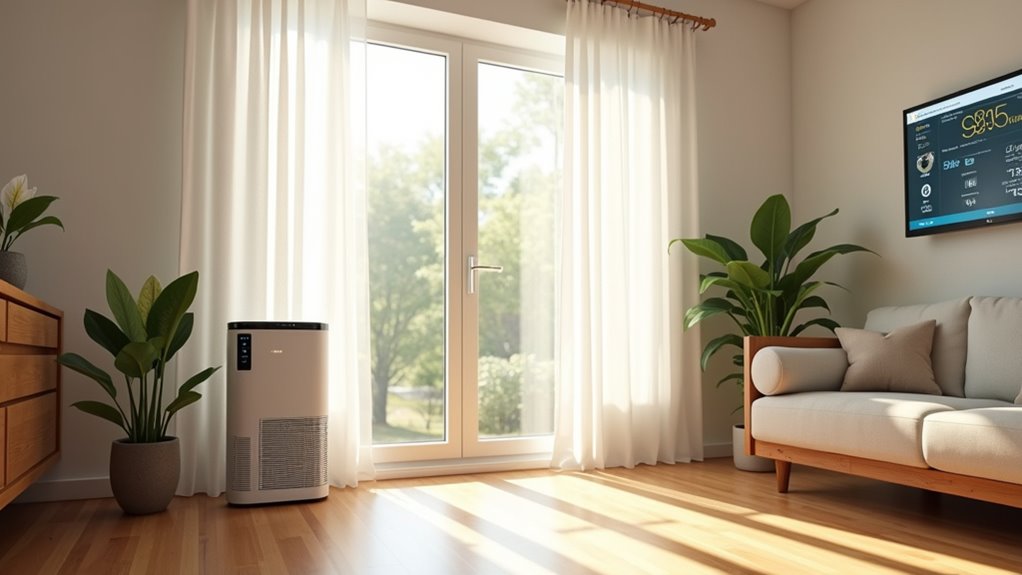
Several proven strategies can dramatically improve indoor air quality where people spend most of their time. Installing HEPA filters, maintaining proper ventilation through open windows and exhaust fans, and controlling humidity levels between 30-50% create healthier spaces. Regular HVAC maintenance, using low-VOC products, and implementing source control measures like no-smoking policies reduce harmful pollutants. Simple changes and consistent monitoring make a significant diffrence in creating cleaner, safer indoor environments. Discovering these practical solutions opens the door to better air quality.
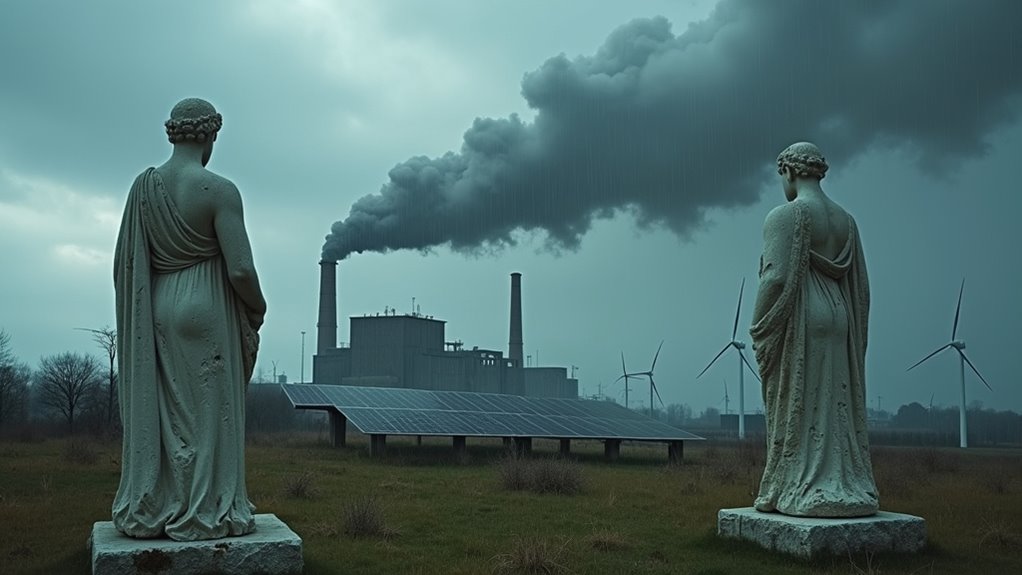
Americans spend approximately 90% of their time indoors, yet many remain unaware of the invisible threats lurking in their indoor air. From volatile organic compounds emitted by common household products to particulate matter from cooking and outdoor pollution that seeps inside, the air we breathe at home and work can greatly impact our health and wellbeing. Indoor spaces typically contain 2 to 5 times higher pollutant concentrations compared to outdoor environments. Trees and green spaces, often referred to as nature’s air filters, play a crucial role in improving outdoor air quality, which directly impacts our indoor air when we ventilate our homes and workplaces. The adoption of cutting-edge tech, such as community sensors and satellite tracking, is transforming how we monitor and address air quality issues both indoors and outdoors. Ventilation technology advancements are increasingly making it easier to maintain optimal air quality in both residential and commercial settings.
The good news is that there are numerous effective strategies to improve indoor air quality. Source control stands as the first line of defense – eliminating or reducing individual pollution sources at their origin. This includes properly sealing asbestos-containing materials, adjusting gas stoves to minimize emissions, and choosing low-VOC paints and building materials. Maintaining and using indoor air monitors provides essential real-time data about air quality conditions. These simple changes can dramatically reduce indoor air pollutants. Breathing in toxins from polluted air can also harm not just the lungs but other vital organs, emphasizing the importance of maintaining clean indoor air.
Proper ventilation plays a key role in maintaining healthy indoor air. Opening windows and doors to increase outdoor air circulation, using exhaust fans in bathrooms and kitchens, and making sure HVAC systems bring adequate fresh air into buildings are essential practices. Energy-efficient heat recovery ventilators offer an excellent solution for maintaining good ventilation without sacrificing energy efficiency.
Air cleaning and filtration provide another important layer of protection. High-efficiency particulate air (HEPA) filters, whether in portable air purifiers or whole-home systems, effectively remove microscopic particles from the air. Regular maintenance of HVAC systems, including changing filters to those with a MERV-13 rating, guarantees peak performance. Vacuum cleaning with HEPA-filtered machines at least twice weekly helps remove settled particles.
Controlling humidity levels between 30-50% prevents mold growth and reduces dust mite populations. Dehumidifiers in damp areas, prompt repair of water leaks, and proper use of exhaust fans during moisture-generating activities help maintain ideal humidity. During humid months, air conditioners and dehumidifiers become essential tools for moisture control.
Regular cleaning practices greatly impact indoor air quality. Using microfiber or damp cloths for dusting, frequently washing bedding and drapes, and removing clutter that traps allergens are fundamental steps. Additionally, implementing a no-smoking policy indoors, choosing natural cleaning products, and limiting the use of artificial fragrances helps reduce indoor pollutants.
Monitoring indoor air quality through various testing methods provides valuable insights and early warning of potential problems. Carbon monoxide detectors, radon testing, and periodic mold inspections help identify and address serious air quality issues before they become major problems. Professional air quality testing can provide thorough analysis for those seeking detailed information about their indoor environment.
Frequently Asked Questions
How Often Should I Replace My HVAC System’s Air Filters?
Air filters typically need replacement every 30-90 days, depending on several factors.
Basic fiberglass filters should be changed monthly, while pleated filters can last up to 3 months.
Homes with pets or allergy sufferers require more frequent changes – every 20-60 days.
HEPA filters can last 6-12 months.
The best practice is checking filters monthly and replacing them if they appear dirty, regardless of timeframe.
Local air quality and occupancy also affect replacement frequency.
Can Indoor Plants Really Help Purify the Air in My Home?
While indoor plants offer aesthetic value and potential wellness benefits, their air-purifying abilities in real homes are quite limited.
NASA’s promising 1989 study was conducted in sealed chambers – conditions that don’t reflect typical households. To match those results, you’d need hundreds of plants per home.
Natural ventilation and air purifiers are far more effective.
Still, plants like spider plants and peace lilies can make modest contributions while adding beauty to spaces.
What Humidity Level Is Ideal for Maintaining Good Indoor Air Quality?
The ideal indoor humidity level falls between 30-50% for maximum air quality and comfort.
This range effectively suppresses allergens, dust mites, and mold growth while preventing respiratory irritation.
During winter months, maintaining 30-40% helps balance indoor comfort with window condensation prevention.
In summer, staying below 50% limits mold risk.
Regular monitoring with a hygrometer guarantees levels stay in the sweet spot for health and home protection.
Are Air Purifiers With UV Light More Effective Than Regular Ones?
UV air purifiers offer distinct advantages over standard models through their ability to neutralize pathogens rather than just trapping them.
While regular purifiers filter particles, UV systems actually kill microorganisms by damaging their DNA.
However, their effectiveness depends on proper exposure time and intensity.
For best results, combination units that incorporate both UV light and HEPA filtration provide the most thorough air cleaning, though they’re typically more expensive and require regular maintenance.
How Can I Test My Home’s Air Quality Without Professional Equipment?
Several DIY methods can effectively test home air quality. A consumer-grade indoor air quality monitor provides real-time data on multiple pollutants like VOCs and particulate matter.
Home testing kits for mold using swabs or petri dishes offer basic screening. For radon, short-term test kits give results in 2-90 days. Carbon monoxide detectors are essential and should be placed on every floor.
These methods, while not professional-grade, help identify potential air quality issues.