

Occupational environmental hazards encompass a range of workplace risks that can greatly impact worker health and safety. From air pollution and toxic chemical exposure to extreme weather conditions and hazardous waste management, these threats require constant vigilance. Workers face challenges from contaminated soil, industrial emissions, and increasingly frequent natural disasters. Proper training, protective equipment, and updated safety protocols help mitigate these risks. Understanding these environmental dangers is the first step toward creating safer workplaces for everyone.
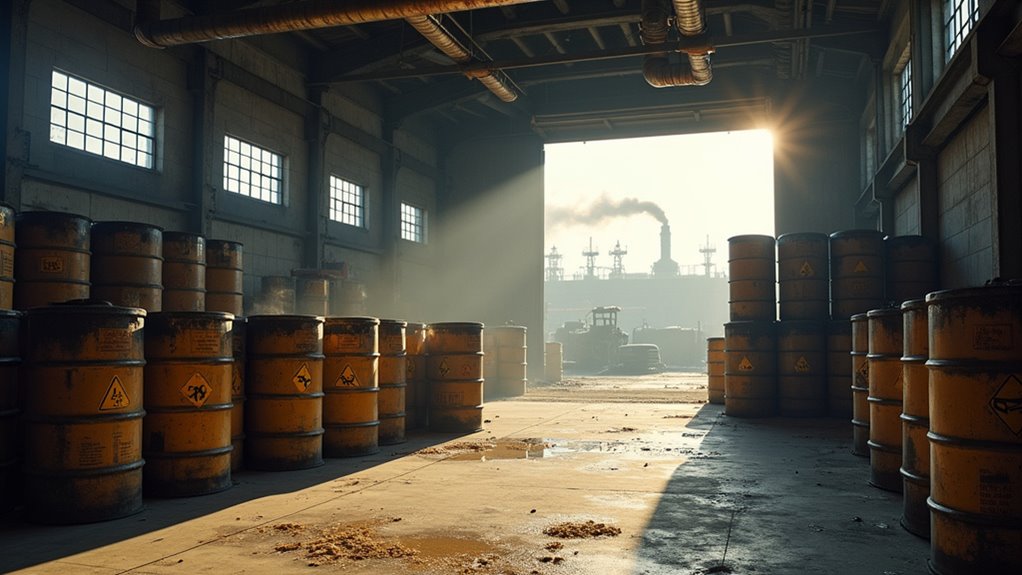
Modern workplaces harbor an intricate web of environmental hazards that pose significant risks to employee health and safety. From industrial emissions contaminating the air to hazardous waste exposure, workers face a complex array of environmental challenges that demand careful attention and proactive management. The impact of these hazards extends far beyond immediate workplace conditions, often affecting surrounding communities and ecosystems.
Air pollution stands as one of the most pervasive occupational environmental hazards, particularly in industrial settings where manufacturing processes release harmful particles and chemical compounds into the atmosphere. Workers in these environments frequently encounter respiratory irritants, carcinogens, and other toxic substances that can lead to both acute and chronic health conditions. Notably, breathing in toxins can also harm the heart and brain, illustrating the extensive impact of air pollution on overall health. The situation becomes more concerning when considering that many facilities lack adequate ventilation systems or proper filtration mechanisms. Regular ventilation system maintenance helps prevent long-term health complications for workers exposed to poor air quality. As climate change exacerbates air pollution, the strain on healthcare systems may increase due to the subsequent rise in respiratory disorders and other related health issues. Ecosystems affect human health as the balance of nature can influence disease vectors, which are exacerbated by environmental changes.
Industrial workers face daily exposure to toxic pollutants, making air quality a critical concern in manufacturing environments with insufficient safety measures.
Contaminated soil and groundwater present another significant challenge for workers, especially in industries like construction, agriculture, and waste management. These contaminations often result from years of improper chemical disposal, industrial accidents, or the gradual leaching of toxic substances. Workers may unknowingly expose themselves to harmful compounds through direct contact or by inhaling vapors that rise from contaminated ground sources. Scientists in the field of environmental epidemiology study these exposures to understand the environmental causes behind disease outbreaks and chronic conditions.
The growing impact of climate change has introduced new dimensions to occupational environmental hazards. Outdoor workers face increasingly extreme weather conditions, including prolonged heat waves, severe storms, and unpredictable weather patterns. These changes not only affect immediate working conditions but also influence the presence and distribution of biological hazards such as disease vectors and allergenic plants.
Hazardous waste management poses unique challenges for workers in various sectors. Whether handling industrial byproducts, medical waste, or electronic disposal, employees must navigate complex protocols while protecting themselves from potential exposure. The risks multiply when dealing with materials that may react unpredictably or release toxic fumes during processing.
Natural disasters and extreme weather events have become more frequent, forcing organizations to adapt their safety protocols and emergency response procedures. Workers in coastal areas face flooding risks, while those in forest regions contend with increasing wildfire dangers. These environmental threats require constant vigilance and updated safety measures to protect workforce wellbeing.
The key to addressing these occupational environmental hazards lies in implementing thorough safety programs that combine proper training, protective equipment, and regular monitoring of workplace conditions. Organizations must stay informed about emerging environmental threats while maintaining flexible response strategies. Through proper awareness, preventive measures, and responsive action plans, workplaces can better protect their employees from the diverse array of environmental hazards they face daily.
Frequently Asked Questions
How Often Should Workplace Environmental Hazard Assessments Be Conducted?
Workplace environmental hazard assessments should be conducted at minimum annually, but frequency varies based on risk levels and circumstances.
High-risk industries require more frequent evaluations. Additional assessments are necessary when introducing new equipment, processes, or materials, or after incidents occur.
Regular reviews guarantee compliance and maintain workplace safety. The assessment schedule should be flexible enough to respond to workplace changes, incidents, or newly identified risks.
What Legal Requirements Exist for Reporting Occupational Environmental Hazards?
Federal OSHA requires employers to report work-related fatalities within 8 hours and hospitalizations, amputations, or eye losses within 24 hours.
Reports must be made via phone or online to OSHA offices. Employers must maintain OSHA 300 Logs documenting workplace injuries and illnesses, while Form 300A summaries need posting from February through April.
State-specific requirements may apply, with 22 states having their own OSHA-approved plans for additional oversight.
Can Employees Refuse Work Due to Environmental Hazards?
Yes, employees have a legally protected right to refuse work if they face serious environmental hazards.
Under OSHA regulations, workers can decline tasks when there’s an immediate danger of death or severe injury. However, they must first attempt to resolve the issue with their employer and demonstrate a reasonable belief that the hazard exists.
Workers should stay at the worksite unless told to leave and are protected from retaliation for refusing dangerous work.
Who Pays for Protective Equipment Against Occupational Environmental Hazards?
According to OSHA regulations, employers are legally required to pay for most personal protective equipment (PPE) needed for workplace safety. This includes hard hats, safety glasses, gloves, and respirators.
Few exceptions exist, like non-specialty safety boots and prescription safety eyewear, which employees may need to purchase.
Employers must not only provide PPE but also guarantee proper maintenance, replacement when necessary, and training for correct usage.
Are Remote Workers Protected Under Occupational Environmental Hazard Regulations?
Yes, remote workers are protected under occupational environmental hazard regulations, though enforcement differs from traditional workplaces.
OSHA standards apply to home offices, requiring employers to maintain safe working conditions and provide necessary safety equipment.
While OSHA won’t conduct routine home office inspections, employers must still document work-related injuries, provide ergonomic guidance, and address potential hazards.
Home-based manufacturing operations face stricter oversight and may receive OSHA inspections if complaints arise.


