

Environmental toxins permeate modern food supplies through multiple channels, from agricultural pesticides to industrial pollution. These contaminants pose health risks including cancer, neurological disorders, and hormonal disruptions – with children and pregnant women facing heightened vulnerability. While regulatory challenges persist, consumers can reduce exposure by choosing organic produce, washing fruits and vegetables thoroughly, and installing water filters. Understanding these hidden dangers empowers better food choices and opens the door to deeper insights about protecting our health.
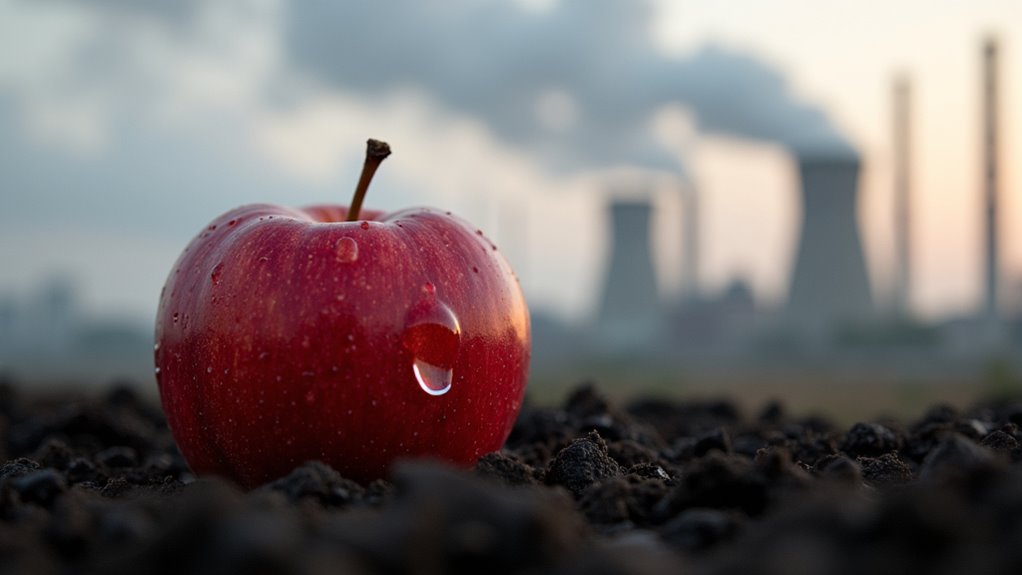
As environmental toxins continue to infiltrate the global food supply through various pathways, from agricultural practices to industrial pollution, the challenge of guaranteeing food safety has become increasingly complex. From naturally occurring mycotoxins to synthetic pesticides and heavy metals, these contaminants pose considerable risks to human health, particularly affecting vulnerable populations such as children, pregnant women, and the elderly.
The food supply chain faces multiple points of contamination, beginning with soil and water pollution and extending through processing and packaging. Industrial activities like mining and fracking contribute to the presence of heavy metals, while agricultural practices introduce pesticides and herbicides that can persist in food products. These toxins often accumulate in animal-based foods through a process called bioaccumulation, creating higher concentrations at each level of the food chain. Natural toxin exposure can lead to both acute poisoning and long-term health consequences including cancer and immune system damage. Researchers in environmental epidemiology study these complex interactions to better understand the links between environmental factors and health outcomes. The Hidden Dangers of Pesticides are being increasingly scrutinized as they contribute to these adverse health effects. Access to clean water is crucial in preventing waterborne contaminants from further exacerbating food safety issues. Water conservation is crucial as it plays a significant role in mitigating global trends that exacerbate environmental pollution, impacting food safety.
The health implications of these environmental toxins range from immediate effects like acute poisoning and digestive issues to long-term consequences including cancer, neurological disorders, and hormonal disruptions. Children are particularly susceptible to these impacts, as their developing bodies absorb toxins more readily and their smaller size means greater concentration of harmful substances per body weight.
Environmental toxins pose grave risks to children’s health, as their developing bodies absorb and concentrate harmful substances more intensely than adults.
Regulatory efforts to address these challenges have been mixed. While initiatives like the FDA’s Closer to Zero program aim to reduce contaminants in food, considerable obstacles remain. The “generally recognized as safe” (GRAS) designation contains concerning loopholes, and regulators struggle to effectively monitor more than 10,000 food additives currently in use. International variations in safety standards further complicate the global food trade.
However, consumers aren’t powerless in the face of these challenges. Simple strategies can considerably reduce exposure to environmental toxins. These include choosing organic produce when possible, thorough washing and peeling of fruits and vegetables, and diversifying one’s diet to minimize exposure to specific toxins. Installing water filters and avoiding heavily processed foods with numerous additives can also make a meaningful difference.
The future of food safety holds promise, with developing technologies improving toxin detection methods and sustainable agricultural practices reducing the need for chemical pesticides. Research continues to advance our understanding of how multiple toxins interact within the human body, while public awareness grows about the importance of food safety.
Despite the challenges, progress in regulatory oversight and scientific understanding provides hope for a safer food future, though it requires continued vigilance and advocacy from both consumers and policymakers to guarantee that progress continues moving forward.
Frequently Asked Questions
How Long Can Environmental Toxins Stay Stored in Human Body Fat?
Environmental toxins can persist in human body fat for remarkably long periods.
Many persistent organic pollutants (POPs) have half-lives ranging from 7-10 years, meaning they take that long just to reduce by half.
Some compounds, like PCBs and DDT, can remain stored for decades due to their lipophilic nature.
The duration depends on factors like individual metabolism, body fat percentage, and lifestyle choices that affect fat turnover and toxin elimination.
Can Air Purifiers Reduce Toxin Exposure When Cooking at Home?
Air purifiers with HEPA and activated carbon filters can greatly reduce exposure to cooking-related toxins when used properly.
These devices capture up to 99.97% of harmful particles and VOCs released during cooking. For maximum benefit, the purifier should be placed near the cooking area but away from direct heat, and operated before, during, and after food preparation.
Regular filter maintenance and appropriate unit sizing for the kitchen space guarantees peak toxin removal effectiveness.
Are Organic Cleaning Products Effective at Removing Environmental Toxins From Produce?
Research shows organic cleaning products effectively remove 80-95% of pesticide residues from produce.
Using natural ingredients like vinegar and plant-based surfactants, these cleaners match conventional products’ cleaning power for most contaminants.
While they may require extra scrubbing time, organic cleaners leave fewer toxic residues and are safer for families and the environment.
Their biodegradable ingredients break down safely, though effectiveness varies by specific formulation and proper usage.
Which Cooking Methods Help Minimize Toxin Exposure From Contaminated Foods?
Steaming, boiling, and microwaving are top methods for minimizing toxin exposure when cooking potentially contaminated foods. These gentle techniques limit the formation of harmful compounds like acrylamide and HCAs while preserving nutrients.
Low-temperature methods like sous vide and slow cooking also help reduce toxin formation. Simple prep steps like soaking potato slices and using acidic marinades can further decrease exposure to cooking-related toxins.
Do Water Filtration Systems Remove All Environmental Toxins From Drinking Water?
No single water filtration system removes all environmental toxins completely.
While reverse osmosis systems are highly effective, removing 94%+ of PFAS and many contaminants, most common filters have limitations.
Activated carbon filters typically remove about 73% of PFAS, while UV systems target bacteria but don’t address chemicals.
The most thorough protection comes from combining multiple filtration methods and following proper maintenance schedules.
Regular water testing remains essential for ensuring safety.


