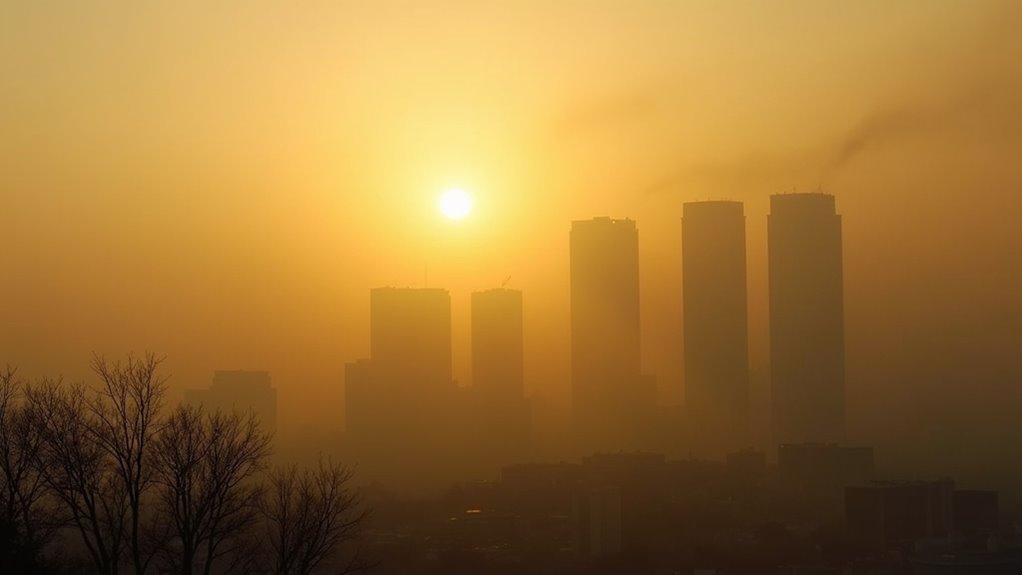

Smog, a toxic cocktail of air pollutants, remains a critical environmental hazard in cities worldwide. This dangerous mixture contains nitrogen oxides, sulfur oxides, and particulate matter, primarily from vehicle emissions and industrial activities. It triggers severe health problems, from respiratory issues to heart disease, with low-income communities facing disproportionate exposure. While cities implement stricter emission standards and clean energy solutions, understanding smog‘s formation and impacts helps reveal more effective ways to combat this persistent threat.
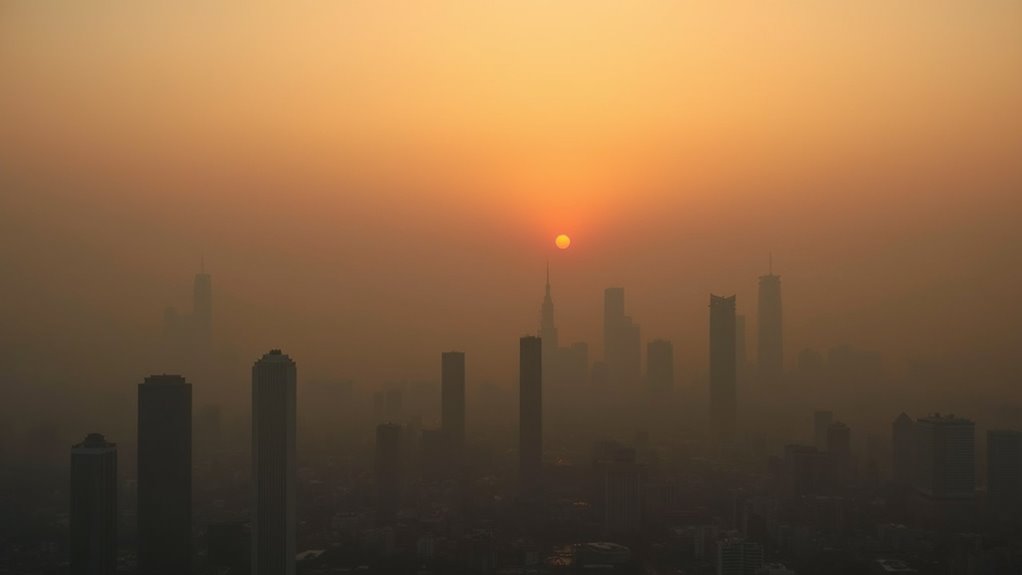
While cities around the world continue to grow and industrialize, a silent threat looms in the air above – smog, a dangerous cocktail of pollutants that poses serious risks to human health and the environment. This hazardous mixture contains particulate matter, nitrogen oxides, sulfur oxides, and ozone, primarily resulting from vehicle emissions, industrial activities, and the burning of fossil fuels.
The impact of smog on human health is particularly concerning. It triggers a range of respiratory problems, from mild irritation to severe asthma attacks and reduced lung function. More alarmingly, exposure to smog has been linked to cardiovascular issues, including heart attacks and strokes. Thousands of premature deaths occur annually due to smog exposure. Breathing in polluted air has also been shown to cause harm to the heart and brain, leading to cognitive decline and mental health issues. Grassroots efforts are essential in advocating for cleaner air policies and holding industries accountable for their emissions.
Children living in smog-prone areas face stunted lung development and compromised immune systems, while the elderly and those with pre-existing conditions are especially vulnerable to its effects. With indoor smoke levels reaching up to 100 times higher than acceptable limits in poorly ventilated homes, the situation is particularly dire for those exposed to both outdoor and indoor air pollution. Additionally, children are more severely affected by air pollutants, as they breathe more rapidly and their developing immune systems are less able to combat the harmful effects.
The threat isn’t distributed equally across populations. Low-income urban communities and people of color bear a disproportionate burden of exposure to poor air quality. In fact, approximately 39% of Americans currently live in areas with unhealthy air pollution levels. Cities like Los Angeles, Mexico City, Beijing, and New Delhi have become notorious for their persistent smog problems, often exacerbated by geographical features that trap pollutants close to the ground. However, global cooperation in air quality regulation is crucial to address these disparities and reduce smog’s impact on vulnerable communities.
Smog formation is a complex process influenced by various factors. Photochemical smog, the most common type in modern cities, forms when sunlight reacts with nitrogen oxides and volatile organic compounds. Temperature inversions can trap these pollutants near ground level, particularly in urban areas surrounded by mountains.
The problem typically intensifies during peak traffic hours and summer months, when increased sunlight catalyzes more chemical reactions.
The environmental consequences extend far beyond human health. Smog damages plant life, reduces crop yields, and harms sensitive ecosystems. It contributes to acid rain, causes corrosive damage to buildings and vehicles, and notably reduces visibility in affected areas.
As a greenhouse gas contributor through its ozone component, smog also plays a role in climate change.
However, there’s reason for cautious optimism. Cities worldwide are implementing various mitigation strategies to combat smog. These include stricter vehicle emission standards, promotion of clean energy sources, improved public transportation systems, and enhanced industrial emission controls.
While the challenge remains considerable, technological advances and growing public awareness are driving positive change. The transformation of London from its notorious “pea-soup” smog days to its improved air quality today demonstrates that effective action against smog is possible with sustained effort and proper regulations.
Frequently Asked Questions
How Long Does Smog Typically Last in a City?
Smog episodes typically last anywhere from several days to multiple weeks, depending on various environmental factors.
In major cities like Los Angeles and Beijing, smog can persist for 1-2 weeks when atmospheric conditions trap pollutants. Weather patterns, topography, and continued emissions play essential roles.
While summer smog peaks due to heat and sunlight, winter inversions often result in longer-lasting episodes.
Seasonal changes and mitigation efforts can influence duration considerably.
Can Wearing Face Masks Effectively Protect Against Smog Exposure?
Face masks can provide significant protection against smog exposure when used correctly. N95 and KN95 masks filter out 95% of particles larger than 0.3 microns, making them highly effective against harmful PM2.5 particles.
However, proper fit is vital – masks must create a tight seal around the face. While surgical and cloth masks offer some protection (25-60% filtration), they’re less reliable.
Regular replacement and proper wearing technique are essential for maximum effectiveness.
Which Time of Day Is Smog Concentration Usually Highest?
Smog concentration typically reaches its highest levels during two key periods: morning rush hour and late afternoon.
The morning peak occurs when traffic emissions combine with temperature inversions that trap pollutants near the ground. A second spike happens in late afternoon when accumulated daytime pollutants mix with evening commuter traffic, while intense sunlight maximizes ozone formation.
Weather conditions like wind and humidity greatly influence these daily patterns.
Does Rain Help Reduce Smog Levels in Urban Areas?
Rain does help reduce smog levels in urban areas, though its effectiveness varies.
Heavy rainfall can decrease large particle pollution by up to 30% through wet deposition, literally washing pollutants from the air.
However, rain’s impact on smaller particles (PM2.5) is limited, especially during light precipitation.
Wind accompanying rainfall often plays a bigger role in dispersing smog.
While helpful, rain alone isn’t enough to solve urban air quality issues.
What Indoor Activities Can Reduce Personal Exposure to Smog?
Simple indoor activities can greatly reduce smog exposure while staying active and engaged.
Setting up HEPA air purifiers creates clean-air zones perfect for yoga, stretching, or light workouts.
Board games, reading, and crafts keep families entertained without outdoor exposure.
Creating obstacle courses or dance parties provides exercise while maintaining air quality.
Indoor gardening with air-filtering plants offers both activity and improved air quality.
Video games and puzzles can also keep kids occupied safely indoors.