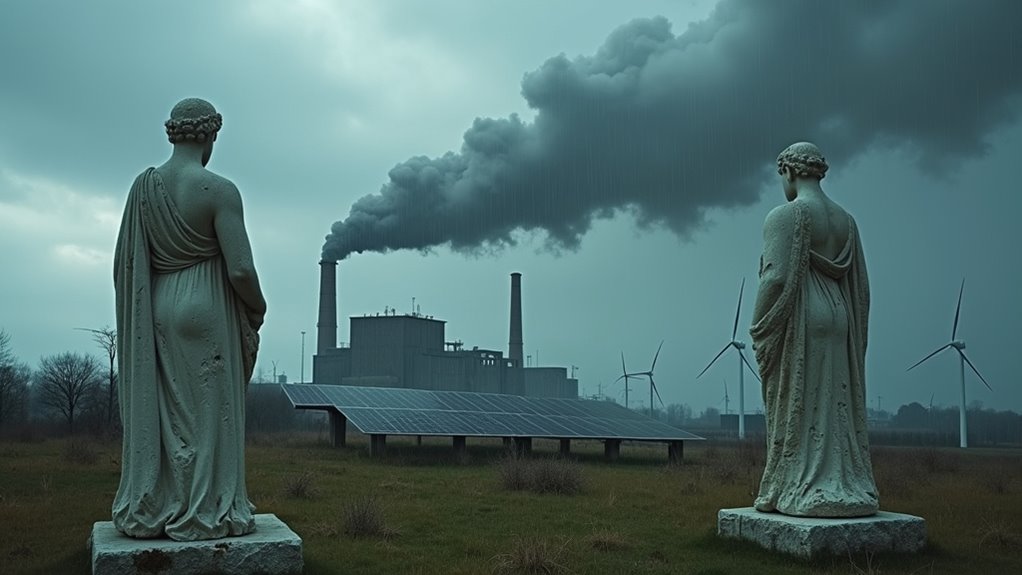

Children’s bodies are uniquely vulnerable to air pollution in several key ways. Their faster breathing rates mean they inhale more pollutants relative to body weight, while developing lungs and immune systems struggle to defend against toxins. Being closer to ground level, especially in strollers, exposes them to concentrated vehicle exhaust. These physiological factors, combined with more time spent outdoors, help explain why air pollution contributes to 600,000 child deaths annually. Understanding these vulnerabilities reveals essential opportunities for protection.
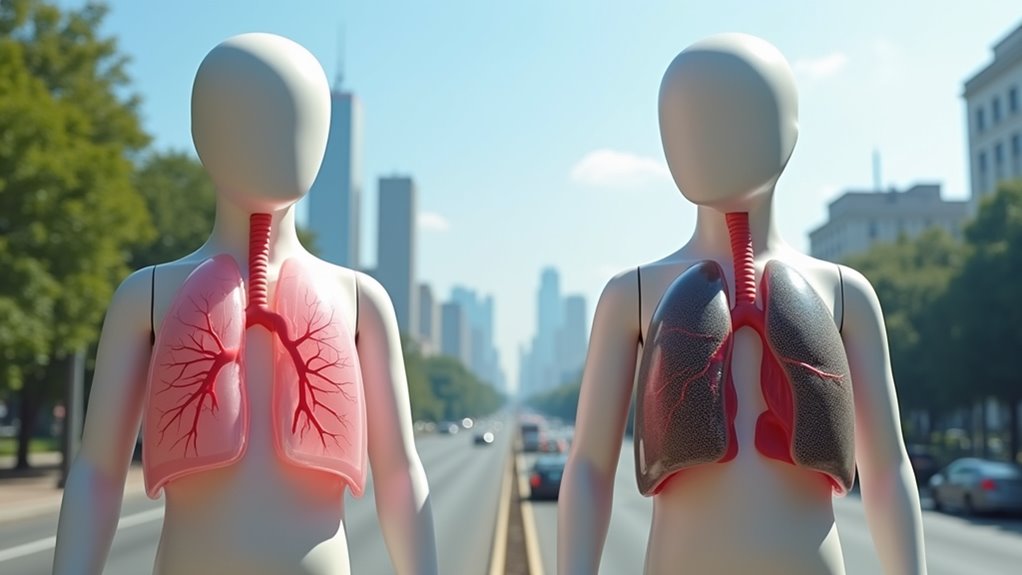
Nine out of ten children worldwide breathe air that fails to meet World Health Organization safety guidelines, revealing a stark reality about the air pollution crisis facing our youngest generation. The statistics paint a grim picture: air pollution contributes to 600,000 deaths in children under five annually, shortening their life expectancy by an average of 20 months. These numbers represent more than just statistics – they reflect a fundamental inequity in how air pollution affects the most vulnerable members of society.
Children face unique physiological vulnerabilities that make them particularly susceptible to air pollution’s harmful effects. Their rapid breathing rate means they inhale more pollutants relative to their body weight than adults. With developing lungs, brains, and immune systems, children’s bodies are less equipped to defend against toxic substances in the air. Their natural tendency to spend more time outdoors, coupled with higher physical activity levels, further increases their exposure to harmful pollutants. Toddlers in particular suffer greater exposure since they are at exhaust fume height when pushed in strollers. These risks are amplified by their developing immune systems being weaker and more susceptible to pollutants. Furthermore, breathing in toxins can have serious implications not only for the lungs but also for the heart and brain. Vulnerable populations, such as children and the elderly, face disproportionate health impacts from air pollution, exacerbating existing health disparities.
Children’s developing bodies and active lifestyles make them uniquely vulnerable to air pollution’s devastating effects on their health and future well-being.
The sources of exposure are diverse and pervasive. Traffic emissions near schools, industrial pollution in urban areas, and household air pollution from cooking with dirty fuels all contribute to the problem. In developing countries, where 70% of child deaths from air pollution occur, the use of traditional cooking methods creates dangerous indoor air quality. The two-way link between air pollution and climate change suggests that addressing one can help mitigate the other, creating a path for comprehensive environmental health improvements. Understanding the various sources of air pollution allows for more effective and targeted solutions to reduce exposure and mitigate their impact.
Meanwhile, children in low-income and minority communities often face disproportionate exposure due to historical redlining practices that concentrate pollution sources in certain neighborhoods.
The health impacts extend far beyond immediate respiratory problems. Research shows that air pollution exposure during childhood can lead to stunted lung growth, reduced cognitive ability, and increased risk of chronic diseases later in life. Perhaps most concerning are the potential intergenerational effects through epigenetic changes, meaning today’s pollution could affect future generations even before they’re born.
However, solutions exist and progress is possible. Cities worldwide are implementing stricter air quality standards and improving urban planning to reduce children’s exposure near schools and homes. Clean cooking technologies are being promoted in developing countries, while education programs help families reduce indoor air pollution.
Early warning systems for high-pollution days allow parents and schools to take protective measures when necessary.
The challenge lies in guaranteeing these solutions reach those who need them most. Economic constraints often limit access to healthcare and the ability to mitigate exposure, particularly in disadvantaged communities. Yet, successful intervention programs have shown that targeted action can make a significant difference.
Frequently Asked Questions
How Can Parents Monitor Indoor Air Quality in Their Children’s Bedrooms?
Parents can effectively monitor indoor air quality using low-cost digital monitors that track key pollutants like PM2.5, VOCs, and CO2.
These devices should be placed at children’s breathing height, away from fans and direct sunlight. Smart monitors provide real-time data through smartphone apps, allowing quick responses to air quality issues.
Regular monitoring combined with proper ventilation, air purifiers, and source control helps maintain healthy indoor air for children.
What Age Do Children Become Less Vulnerable to Air Pollution Effects?
Children’s vulnerability to air pollution gradually decreases as they age, with significant improvements occurring in phases.
The steepest reduction happens in the first two years as breathing rates normalize. Major protective developments continue through adolescence, including lung growth, immune system maturation, and increased height.
However, full respiratory system development isn’t complete until the late teens or early twenties, meaning some vulnerability persists throughout childhood.
Can Air Pollution Impact a Child’s Cognitive Development and Learning Abilities?
Research demonstrates that air pollution greatly impacts children’s cognitive development and learning abilities.
Studies show exposure to pollutants like PM2.5 and NO2 can lower test scores, impair memory, and reduce attention spans.
Air toxins can cross the blood-brain barrier, causing neuroinflammation and altering brain development patterns.
These effects may lead to long-term consequences, including reduced educational achievement and increased risk of neurodegenerative conditions later in life.
Do Air Purifiers Effectively Protect Children From Outdoor Pollution at School?
Research shows air purifiers greatly protect students from outdoor pollution in school settings.
When properly implemented, HEPA purifiers can reduce PM2.5 by up to 72% and black carbon by 58% in classrooms.
Multiple units per room, running at moderate noise levels, deliver ideal results.
While building design and ventilation pose challenges, the data demonstrates that air cleaners effectively create healthier learning environments when combined with proper policies and monitoring.
Which Outdoor Activities Should Children Avoid on High Pollution Days?
On high pollution days, children should avoid strenuous outdoor activities that require heavy exertion, such as running, competitive sports, and vigorous bicycling.
Extended outdoor exposure like long recess periods or athletic practices lasting several hours should be limited. Activities near busy roads or during peak pollution times (typically midday) are particularly risky.
Indoor alternatives or low-intensity outdoor activities in greener areas are safer options.