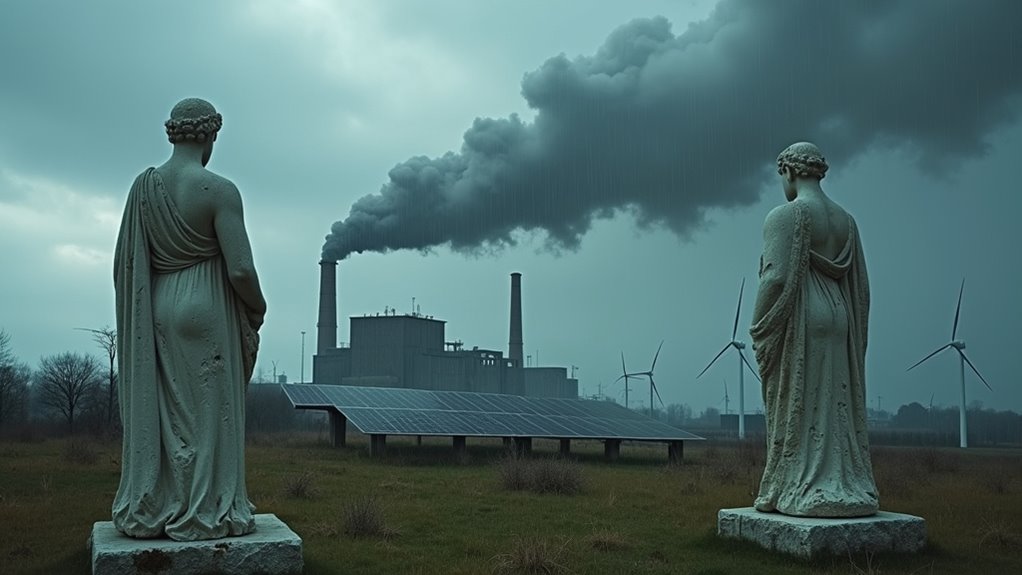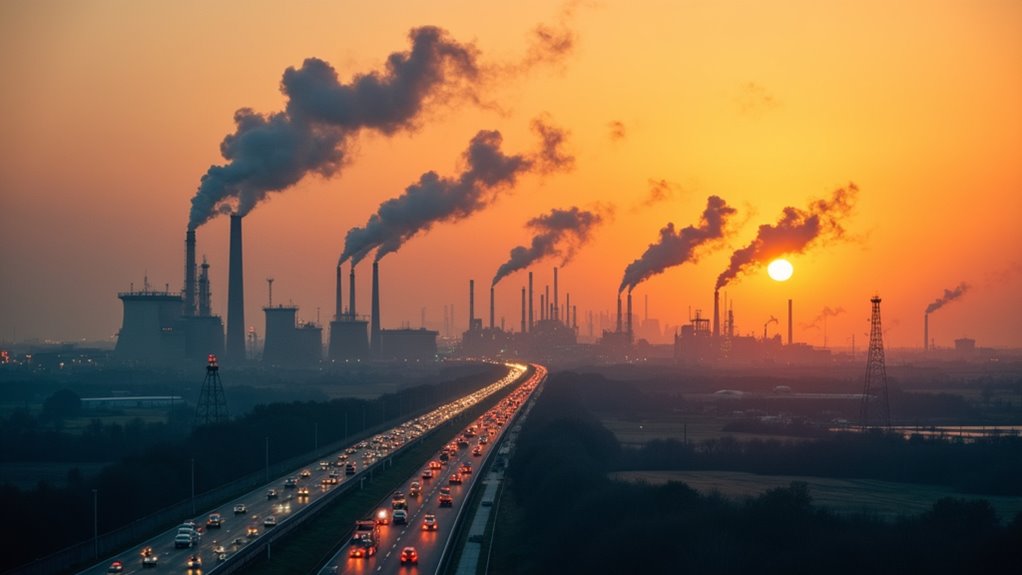

The major sources of air pollution encompass transportation, industrial operations, residential activities, agriculture, and natural phenomena. Vehicles release nitrogen oxides and particulate matter, while factories and power plants contribute sulfur dioxide and smog-forming chemicals. Residential heating, wood burning, and household products add volatile compounds indoors. Agricultural practices generate ammonia and methane emissions. Even natural events like wildfires and volcanic activity impact air quality. Understanding these sources reveals the complex web of factors shaping our atmosphere.
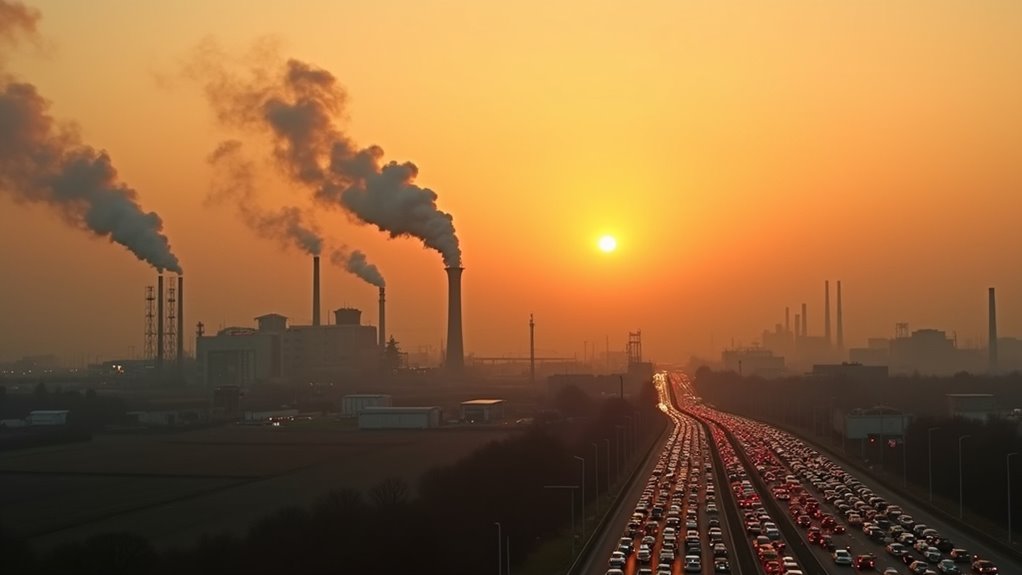
The invisible menace of air pollution stems from a complex web of sources that permeate our modern world. Transportation stands as one of the most significant contributors, with cars, trucks, and buses releasing a cocktail of pollutants into our atmosphere. In Europe alone, vehicle emissions account for over 40% of nitrogen oxides and fine particulate matter, while diesel engines spew out dangerous soot particles that lodge deep in our lungs. The combination of nitrogen oxides and volatile organic compounds in sunlight creates harmful ground-level ozone pollution. The constant rubbing of tires against roads and brake usage generates primary particulate matter through friction.
Industrial activities represent another massive source of air contamination. Factories, refineries, and power plants release a potent mix of pollutants, with coal-fueled facilities being particularly problematic. In the United States, stationary fuel combustion sources are responsible for a staggering 73.2% of sulfur dioxide emissions, highlighting the enormous impact of industrial processes on air quality. Breathing in these toxins can have serious health consequences, affecting not only the lungs but also the heart and brain. Smog is a specific type of air pollution that results from the combination of industrial emissions and other factors, posing a global threat to millions. Addressing air pollution and climate change together can lead to more effective solutions for both issues. The strain on healthcare systems is exacerbated during climate-related events, as these facilities struggle to cope with increased patient loads and infrastructure challenges.
Industries and factories, especially coal-powered facilities, unleash a devastating cocktail of pollutants that dominate our air quality crisis.
Our homes and businesses contribute their fair share to the pollution puzzle. The simple act of heating our homes with fossil fuels releases harmful substances, while fireplaces and woodstoves pump particulate matter into the air. In Minnesota, residential wood burning accounts for 55% of direct fine particle emissions. Even everyday items like paints, cleaning supplies, and furniture quietly release volatile organic compounds into our indoor spaces.
Agricultural activities, often overlooked in pollution discussions, play a significant role in degrading air quality. Fertilizer use and production release nitrogen compounds, while farm machinery adds to the pollution burden. In Europe, farming activities are responsible for 90% of ammonia emissions, and in the United States, livestock-related methane accounts for 46% of total emissions.
Nature itself contributes to air pollution through various mechanisms. Wildfires generate massive amounts of particulate matter and other pollutants, while volcanic eruptions release ammonia and sulfur dioxide. Windblown desert dust and sea spray add to the mix, and even plants release volatile organic compounds as part of their natural processes.
The energy sector stands as a major pollution source, with power plants and oil refineries releasing various contaminants during their operations. Natural gas extraction and distribution networks leak methane, while coal mining and processing contribute to particulate pollution. In Europe, energy production accounts for approximately 60% of sulfur oxide emissions.
Waste management activities round out the major pollution sources. Incineration facilities release pollutants directly into the air, while landfills emit methane and other gases as waste decomposes. Sewage treatment plants release odorous compounds, and improper disposal of electronic waste can emit toxic substances into the environment.
Even seemingly eco-friendly activities like composting can contribute to particulate matter and VOC emissions, demonstrating the complexity of managing air quality in our modern world.
Frequently Asked Questions
How Long Does Air Pollution Take to Dissipate Naturally?
The time for air pollution to dissipate varies considerably by pollutant type.
While particulate matter can clear within hours to weeks, greenhouse gases persist much longer. CO2 stays in the atmosphere for 300-1000 years, methane for 12 years, and nitrous oxide for 114 years.
Natural processes like precipitation, plant absorption, and ocean uptake help remove pollutants, but global pollutants require decades to centuries for meaningful reductions.
Can Indoor Plants Effectively Reduce Air Pollution in Homes?
While indoor plants can remove some air pollutants through their leaves and soil microorganisms, their real-world effectiveness is limited.
Research shows that an impractical number of plants (680+) would be needed in a typical home to greatly impact air quality.
However, plants offer other benefits like increasing humidity and improving mood.
For meaningful air purification, proper ventilation systems and air purifiers remain more effective solutions than relying solely on plants.
Which Cities Have Successfully Reduced Their Air Pollution Levels?
Several major cities have made remarkable progress in reducing air pollution.
Beijing achieved a 35% drop in PM2.5 levels and massive reductions in sulphur dioxide.
London’s Ultra Low Emission Zone led to significant decreases in NO2 and PM2.5.
New York City cut pollutant levels by 50% since implementing clean air policies.
Warsaw showed impressive results, reducing annual smog days from 130 to just 16 through initiatives like coal bans and stove replacements.
What Health Conditions Are Made Worse by Exposure to Air Pollution?
Air pollution greatly worsens numerous health conditions across multiple body systems. It exacerbates respiratory diseases like asthma and COPD, while increasing risks for cardiovascular problems including heart attacks and strokes.
Neurological conditions such as cognitive decline and Parkinson’s disease are also amplified by exposure. Additionally, air pollution impacts metabolic health, leading to higher risks of type 2 diabetes, and can cause adverse pregnancy outcomes including low birth weight and preterm births.
How Do Weather Patterns Affect the Spread of Air Pollutants?
Weather patterns greatly influence how air pollutants move and concentrate in the atmosphere. Wind speed and direction determine pollutant dispersal, with stronger winds typically providing better dilution.
Temperature inversions can trap pollutants near ground level, while precipitation helps cleanse the air. Humidity affects chemical reactions that form secondary pollutants, and seasonal changes impact pollution levels – summer brings higher ozone, while winter often sees increased particulate matter.