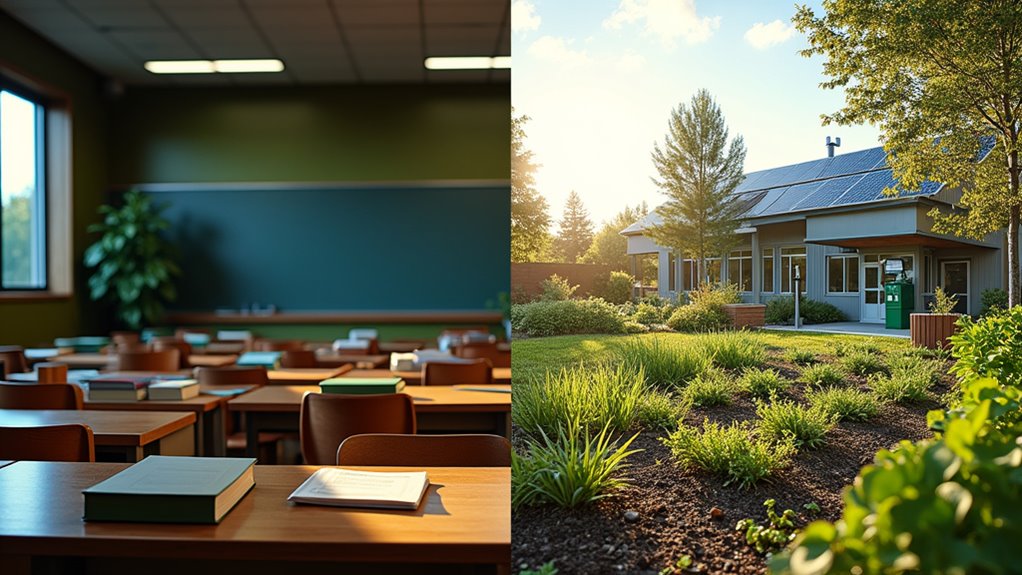
Measuring environmental education impact requires a multi-pronged approach focused on tracking observable changes. Educators assess immediate and long-term shifts in ecological knowledge through surveys, behavioral monitoring, and skill evaluations. Key metrics include improved critical thinking, increased conservation participation, and documented environmental quality improvements. Community engagement levels, academic performance in sustainability subjects, and the formation of environmental action groups provide tangible evidence. Understanding these metrics reveals the full potential of environmental education programs.
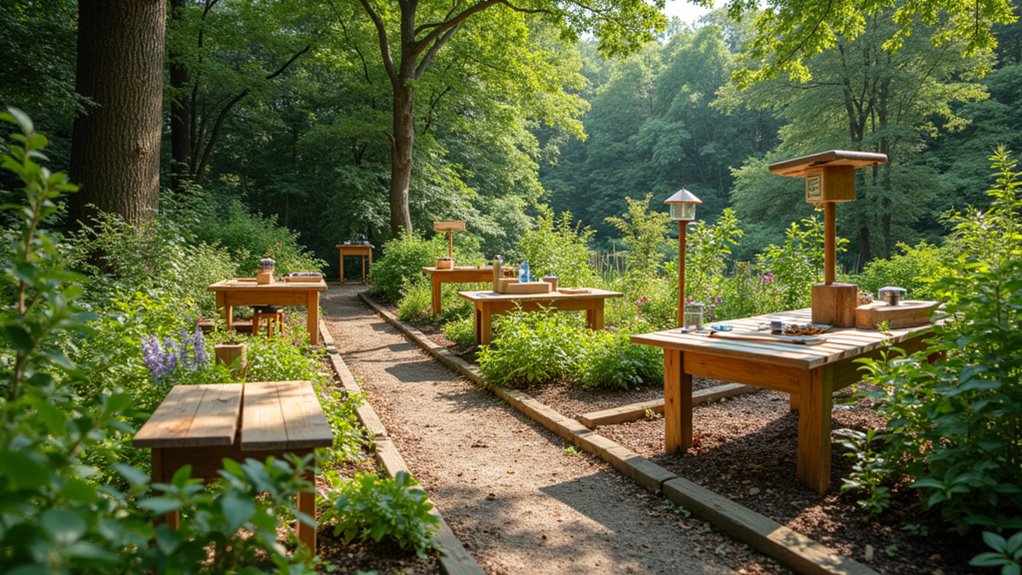
How can a single educational initiative create ripples of positive environmental change across entire communities? The answer lies in measuring and understanding the multi-layered impacts of environmental education programs, which extend far beyond simple classroom learning.
Measuring environmental education’s impact requires tracking both immediate and long-term changes across several key dimensions. At the individual level, assessments focus on increases in ecological knowledge, shifts in environmental awareness, and improvements in critical thinking abilities. Students participating in these programs demonstrate enhanced understanding of local ecosystems, biodiversity, and the intricate relationships between human activities and environmental health. Research shows that eighty-seven percent of environmental education programs successfully increase participants’ awareness and skills. Successful initiatives emphasize that structural factors can limit educational outcomes when not properly addressed. Environmental NGOs often play a pivotal role in expanding eco-literacy through their educational initiatives, providing crucial resources and programs.
Observable behavioral changes provide concrete evidence of program effectiveness. When individuals adopt pro-environmental behaviors, reduce their carbon footprint, and actively participate in conservation projects, these actions create measurable improvements in local environmental quality. Surveys and behavioral tracking tools can document these transformations, while air and water quality measurements offer tangible proof of positive community-wide impacts. Climate education across multiple subjects integrates knowledge, reinforcing positive behaviors and broader community engagement.
Measurable environmental improvements emerge when communities embrace eco-friendly behaviors, creating lasting positive change through collective action and conservation efforts.
The development of environmental attitudes represents another important metric. Through carefully designed assessment tools, educators can track how students’ sense of environmental responsibility evolves over time. This includes measuring changes in empathy towards nature, motivation for environmental stewardship, and overall perception of human-nature relationships. These attitudinal shifts often persist long after the initial educational experience, influencing life-long decision making and lifestyle choices. Environmental education not only impacts individuals but also empowers citizens to tackle climate and ecological challenges effectively.
Skills development provides another key indicator of success. Students in effective environmental education programs show improved abilities in data collection, analysis, and environmental communication. These practical skills, combined with enhanced critical thinking about ecological challenges, create a foundation for future environmental leadership and career paths in sustainability-related fields. Innovative global programs for environmental education are paving the way for measurable impact in fostering these skills.
Community engagement serves as a powerful multiplier effect. When students share their environmental knowledge with family members and neighbors, it sparks broader community participation in conservation efforts. This ripple effect can be measured through the formation of environmental groups, increased collaboration between schools and communities, and enhanced intergenerational learning about ecological issues.
Academic outcomes offer additional quantifiable metrics. Students involved in environmental education typically demonstrate improved performance in environmental subjects, higher scores on environmental literacy assessments, and increased interest in pursuing environmentally focused careers. These educational achievements can be tracked through standardized tests, career surveys, and long-term follow-up studies.
The ultimate measure of success lies in documented improvements to environmental quality. Programs that effectively combine education with action result in reduced pollution levels, enhanced biodiversity, and stronger community resilience to environmental challenges. These outcomes can be quantified through scientific monitoring, providing concrete evidence of environmental education’s power to create lasting, positive change in our world.
Frequently Asked Questions
How Long Does It Take to See Measurable Results in Environmental Education?
Environmental education shows initial results within 0-6 months through knowledge gains and attitude shifts.
More substantial outcomes emerge between 6-12 months as behavior changes begin.
The real transformative impacts become evident in 1-3 years, with significant shifts in environmental literacy and community engagement.
Long-term effects, including measurable environmental improvements and policy changes, typically manifest after 3+ years of sustained educational efforts.
What Tools Are Needed to Conduct Environmental Impact Assessments?
Environmental impact assessments require a complete toolkit combining both technical and analytical instruments.
Essential tools include environmental monitoring equipment, GIS software for spatial analysis, and specialized assessment frameworks like REA and FEAT.
Data collection relies on field sampling kits, surveys, and remote sensing technology.
Analysis demands statistical software packages and modeling tools.
Documentation utilizes standardized templates, matrices, and stakeholder engagement platforms to guarantee thorough impact evaluation and reporting.
Can Environmental Education Success Be Measured in Urban Versus Rural Settings?
Environmental education success can be measured differently across urban and rural settings through tailored evaluation methods.
While urban areas show higher environmental awareness and better overall behaviors, rural communities demonstrate stronger place-based connections and stewardship values.
Key metrics include pre-post assessments, behavior tracking, and community impact studies.
However, challenges persist in creating standardized measurements due to varying definitions of rurality and context-specific factors affecting program outcomes.
How Do Cultural Differences Affect Environmental Education Measurement Methods?
Cultural differences greatly shape how environmental education impacts and outcomes should be measured.
Different societies value distinct environmental behaviors, hold varying spiritual connections to nature, and respond differently to measurement tools. Researchers must adapt assessment methods by incorporating culture-specific metrics, using pictorial scales for cross-cultural understanding, and developing locally relevant surveys.
Mixed-method approaches combining quantitative data with qualitative cultural insights often yield the most thorough results.
What Role Do Social Media Metrics Play in Measuring Environmental Awareness?
Social media metrics serve as powerful indicators of environmental awareness by tracking engagement, reach, and behavioral changes.
Analytics reveal how environmental content spreads through shares, likes, and comments, while hashtag trends highlight popular eco-topics.
Conversion metrics demonstrate tangible actions, such as pledge sign-ups or event attendance.
Sentiment analysis provides insights into public attitudes, while demographic data helps target educational efforts more effectively.
These metrics create a thorough picture of awareness levels and campaign effectiveness.