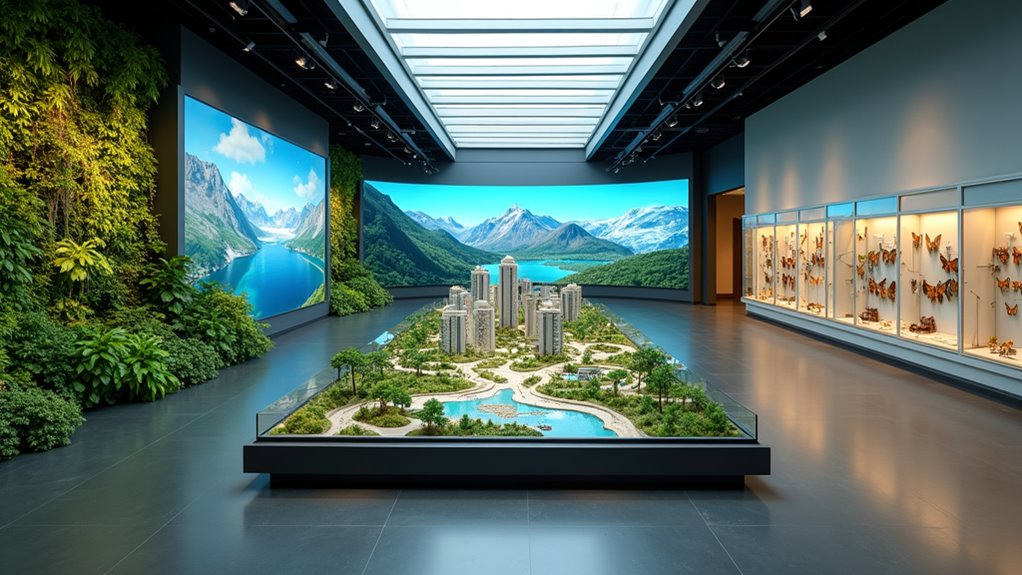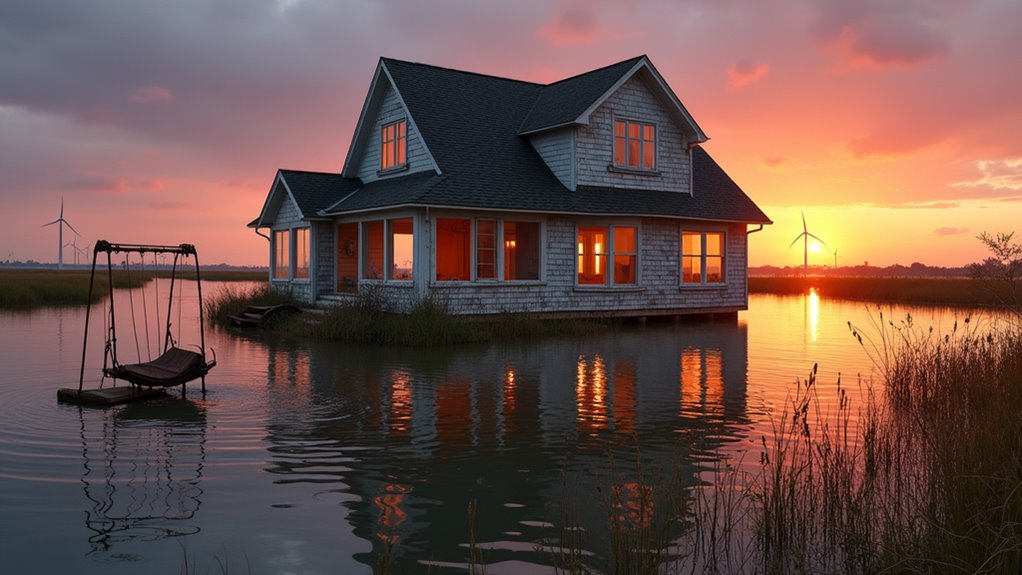

Environmental storytelling creates immersive experiences that organically reveal narratives through physical and virtual spaces. From video games like BioShock to museum exhibits on climate change, this approach lets audiences uncover stories by exploring their surroundings rather than being lectured. The method combines visual cues, crafted elements, and thoughtful scene composition to forge emotional connections and drive action. By making participants active discoverers rather than passive observers, environmental storytelling inspires deeper engagement with urgent ecological challenges. The real power lies in experiencing these stories firsthand.

Environmental storytelling weaves narrative threads through physical and virtual spaces, allowing audiences to uncover stories organically through their surroundings rather than explicit exposition. This powerful technique has evolved beyond traditional storytelling methods, becoming a vital tool for creating immersive experiences that drive meaningful action and engagement.
The art of environmental storytelling relies on carefully crafted elements within spaces, from subtle visual cues to deliberate scene composition. Video games have pioneered this approach, with titles like BioShock using the decaying underwater city of Rapture to convey themes of genetic manipulation gone wrong, while Portal’s hidden rooms reveal dark undertones beneath its sterile facade. These techniques have proven remarkably effective at creating lasting emotional connections with audiences. Educational themes and natural phenomena explanations are woven throughout successful environmental stories. Personal stories from farmers and coastal communities facing climate challenges create tangible connections that resonate deeply with audiences. Increased use of technology and data visualization tools has enhanced the effectiveness of these narratives by making complex concepts more accessible. Environmental storytelling can highlight innovative solutions by showcasing advancements in renewable energy and sustainable practices. Climate-resilient design is another area where storytelling can illustrate how architecture helps buildings survive extreme weather and adapt to changing climates.
The impact of environmental storytelling extends far beyond entertainment. Museums and educational institutions have adopted these methods to create powerful exhibits about climate change and environmental degradation. By allowing visitors to experience and piece together evidence of environmental impact through carefully designed spaces, these installations create deeper understanding and emotional resonance than traditional presentations ever could. Remanufacturing offers significant energy and material savings, showcasing the potential of environmental storytelling to highlight innovative solutions.
Environmental storytelling transforms museums into powerful catalysts for change, letting visitors personally discover and connect with pressing ecological challenges.
What makes environmental storytelling particularly effective is its ability to engage audiences as active participants rather than passive observers. When people discover narrative elements themselves – whether through exploring a virtual wasteland in Fallout 3 or walking through a carefully curated museum exhibit about deforestation – they form stronger connections to the material and are more likely to take action. This self-directed discovery process creates a sense of ownership over the information learned.
The technique presents unique challenges, however. Designers must carefully balance explicit and implicit storytelling elements while ensuring that essential information isn’t missed. Environmental cues must be clear enough to guide understanding while subtle enough to maintain authenticity. There’s also the risk of audiences misinterpreting environmental elements, potentially leading to confusion or unintended messages.
Despite these challenges, environmental storytelling has proven incredibly effective at moving people to act on complex issues like climate change. By creating immersive experiences that allow people to witness and interact with environmental challenges firsthand, organizations can bypass traditional barriers to engagement and create lasting impact.
Virtual reality applications are now pushing these possibilities even further, allowing people to “experience” future climate scenarios or explore endangered ecosystems.
The future of environmental storytelling lies in its ability to combine technological innovation with human-centered design. As tools become more sophisticated and audiences more discerning, the technique will continue to evolve, finding new ways to connect people with urgent environmental issues and inspire them to take meaningful action.
Through careful attention to detail and thoughtful implementation, environmental storytelling has become a vital tool for driving positive change in our world.
Frequently Asked Questions
How Can We Measure the Emotional Impact of Environmental Storytelling?
Emotional impact can be measured through multiple scientific approaches. Researchers track psychophysiological responses like heart rate and skin conductance, while facial expression software detects micro-expressions.
Self-reported scales capture conscious feelings, and sentiment analysis examines audience reactions. Qualitative methods including interviews and focus groups provide deeper insights.
Advanced metrics combine these tools to create thorough emotional impact profiles, though some subjective elements remain challenging to quantify.
What Role Does Social Media Play in Amplifying Environmental Stories?
Social media acts as a powerful megaphone for environmental stories, reaching billions of users instantly.
Platforms like Instagram, Twitter, and TikTok transform complex environmental issues into digestible content through visuals, hashtags, and viral challenges.
These networks enable real-time sharing of climate events, organize grassroots movements, and hold corporations accountable.
The interconnected nature of social platforms creates ripple effects, turning local environmental concerns into global conversations that drive meaningful action.
How Do Cultural Differences Affect the Reception of Environmental Narratives?
Cultural differences considerably shape how environmental narratives resonate across societies.
While Western audiences often respond to individual-focused crisis messaging, Asian cultures tend to embrace collective action and harmony-based approaches.
Indigenous storytelling emphasizes deep connections to land through oral traditions, while developing nations frequently frame environmental issues through an economic development lens.
Success in environmental communication requires carefully adapting messages to reflect local values, beliefs, and communication styles that feel authentic to each audience.
Which Storytelling Format Works Best for Different Age Groups?
Different age groups respond best to distinct storytelling formats.
Young children (3-8) engage most with animated tales featuring colorful characters and interactive elements.
Tweens (9-12) connect with narrative-based videos that incorporate local contexts and hands-on experiences.
Teenagers prefer digital storytelling through social media and peer-shared content.
Adults resonate with longform journalism and documentaries that link environmental issues to economic impacts and daily life, especially when solution-focused.
Can Environmental Storytelling Backfire and Create Audience Resistance?
While environmental storytelling can occasionally face resistance, research suggests true “backfire effects” are rare.
Studies show corrections typically reduce misconceptions rather than reinforce them. The key is delivering messages through trusted voices that align with audience values.
When stories focus on solutions and positive action rather than just problems, they’re more likely to inspire engagement than defensive reactions.
Smart framing and inclusive messaging help overcome potential resistance.