A robust environmental curriculum integrates ecological concepts across multiple subjects while emphasizing hands-on learning experiences. Key components include field trips, water testing, and habitat restoration projects that connect theory to practice. Technology tools like GIS mapping and biodiversity apps enhance student engagement, while partnerships with local environmental organizations provide real-world context. Critical thinking skills develop through case studies and project-based learning focused on local challenges. Deeper exploration reveals how these elements work together to create lasting environmental literacy.

Developing a thorough environmental curriculum requires careful planning and integration across multiple disciplines to create meaningful learning experiences. Modern environmental education must transcend traditional subject boundaries, weaving ecological concepts into science, social studies, economics, and beyond. By creating thematic units that connect environmental topics across disciplines, educators can help students grasp the interconnected nature of environmental challenges while meeting national and state standards. It is crucial to integrate sustainability into school curricula so that students are consistently exposed to these ideas from a young age. Educators play a vital role in empowering citizens by fostering environmental literacy and encouraging active participation in ecological initiatives.
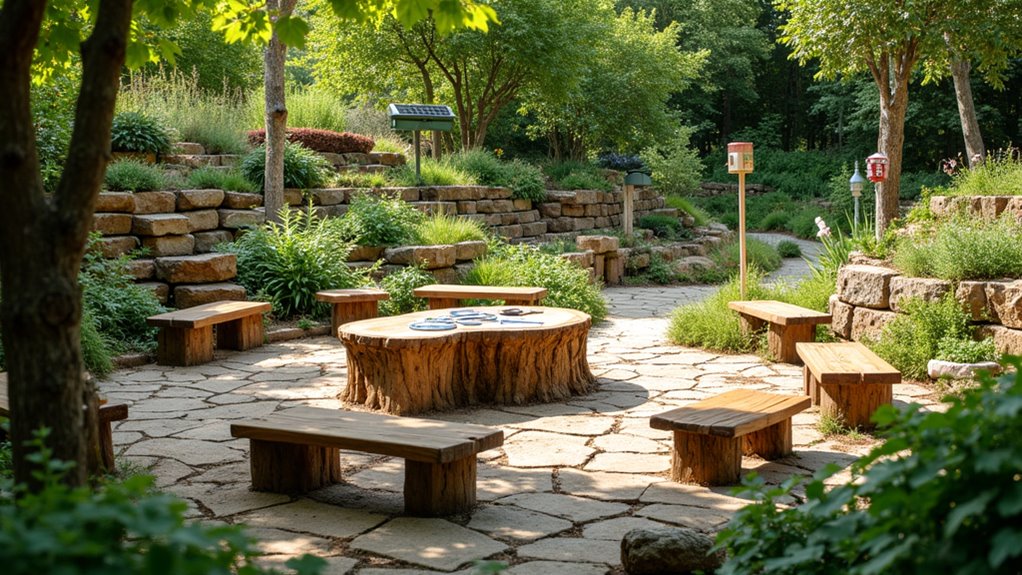
The most effective environmental curricula emphasize hands-on, experiential learning opportunities that bring concepts to life. Field trips to natural areas, water quality testing activities, and participation in habitat restoration projects provide students with tangible connections to environmental concepts. School gardens and outdoor classrooms serve as living laboratories where students can observe ecological processes firsthand and develop a deeper appreciation for the natural world. Following the principles of constructivist learning, students actively build their understanding through direct experiences and reflection.
Critical thinking and problem-solving skills form the backbone of environmental education. Teachers should present students with real-world environmental challenges that require analysis, research, and creative solution development. Case studies of actual environmental issues spark meaningful discussions and debates, while project-based learning focused on local environmental challenges helps students understand how global issues manifest in their own communities. Students must develop informed decision-making capabilities to consider the impacts on future generations. Incorporating indigenous knowledge can further enrich students’ perspectives and understanding of environmental stewardship.
Real-world environmental challenges engage students in critical analysis, fostering deeper understanding of how global issues impact local communities.
Technology plays an increasingly essential role in environmental education. Geographic information systems (GIS) enable spatial analysis of environmental data, while modeling software helps students visualize ecosystem changes over time. Mobile apps facilitate species identification and biodiversity surveys, and online collaboration tools support group projects that mirror real-world environmental research and problem-solving. Environmental NGOs often provide resources and programs to integrate technology effectively into the curriculum.
Community partnerships greatly enhance environmental curriculum effectiveness. Local environmental organizations can provide expertise, resources, and real-world context for learning activities. Guest speakers from environmental professions inspire students while offering insights into potential career paths. Service projects addressing local environmental issues help students develop civic engagement skills while making tangible contributions to their communities.
Assessment strategies should reflect the interdisciplinary and applied nature of environmental education. Performance-based assessments, such as environmental action projects, allow students to demonstrate both knowledge and practical skills. Portfolios document student growth in environmental literacy over time, while carefully designed rubrics guarantee consistent evaluation of environmental education outcomes.
Professional development guarantees educators stay current with environmental issues and teaching strategies. Regular training sessions, workshops, and participation in environmental education conferences help teachers maintain subject matter expertise and develop effective instructional approaches. Professional learning communities provide opportunities for teachers to share best practices and collaborate on curriculum development, ultimately creating more robust and engaging environmental education programs that prepare students to address the complex environmental challenges of our time.
Frequently Asked Questions
What Age Group Is Most Receptive to Environmental Education?
Research shows early childhood (ages 3-8) is the most receptive period for environmental education, with ages 4-5 being particularly essential.
During these formative years, children develop lasting connections to nature through play-based learning. Studies indicate that positive environmental experiences during early childhood lead to stronger environmental awareness in adulthood.
While teenagers and adults can still benefit from environmental education, the impact is typically more pronounced in younger children.
How Can Teachers Measure the Success of Environmental Curriculum Implementation?
Teachers can measure environmental curriculum success through multiple assessment methods.
Quantitative metrics include pre/post test scores, behavioral tracking, and percentage of students meeting learning objectives.
Qualitative evaluation involves student projects, reflective journals, and observational data.
Gathering feedback from stakeholders – students, parents, and community partners – provides thorough insights.
Success indicators include improved environmental literacy, increased pro-environmental behaviors, and sustained student engagement in sustainability initiatives.
What Funding Sources Are Available for Environmental Education Programs?
Environmental education programs can access diverse funding streams through federal, state, and private sources.
Major federal options include EPA Environmental Education Grants and NOAA B-WET programs.
State-level funding comes from environmental agencies and education departments.
Private foundations like NEEF and Captain Planet provide targeted grants.
Corporate partners such as Patagonia and Whole Kids Foundation offer additional support.
Local programs like county sustainability offices frequently provide smaller grants for specific projects.
Should Environmental Curriculum Focus on Local or Global Environmental Issues?
Environmental curriculum should integrate both local and global perspectives rather than focusing exclusively on one scale.
Local issues provide tangible, hands-on learning experiences and immediate relevance, while global perspectives develop critical thinking and international awareness.
The most effective approach combines these viewpoints, helping students understand how their local actions connect to worldwide environmental challenges.
This “glocal” framework empowers learners to make meaningful impacts while comprehending broader environmental systems.
How Often Should Environmental Curriculum Content Be Updated to Remain Relevant?
Environmental curriculum requires regular updates to maintain scientific accuracy and relevance. Annual reviews are essential for incorporating new research data, emerging environmental challenges, and evolving sustainability practices.
However, certain components like climate trends may need quarterly updates to reflect rapid changes. A modular approach allows for timely content revisions while maintaining curriculum stability.
Digital resources enable real-time updates of environmental data and current events.