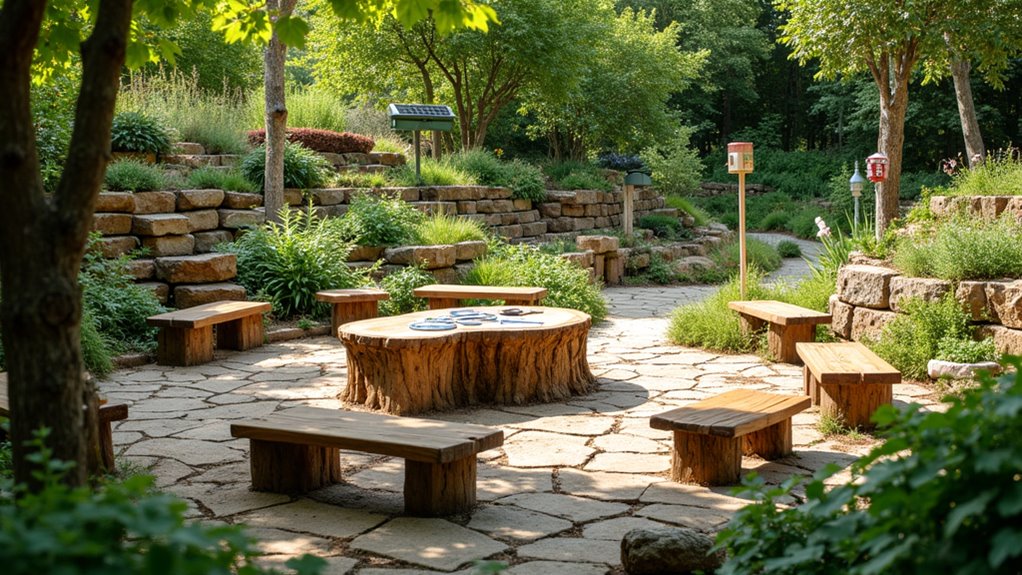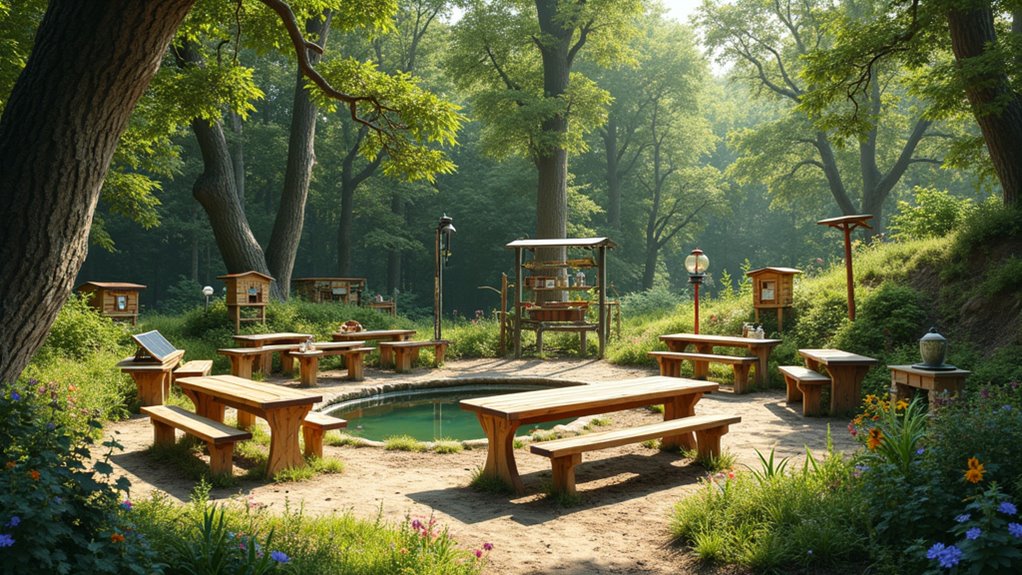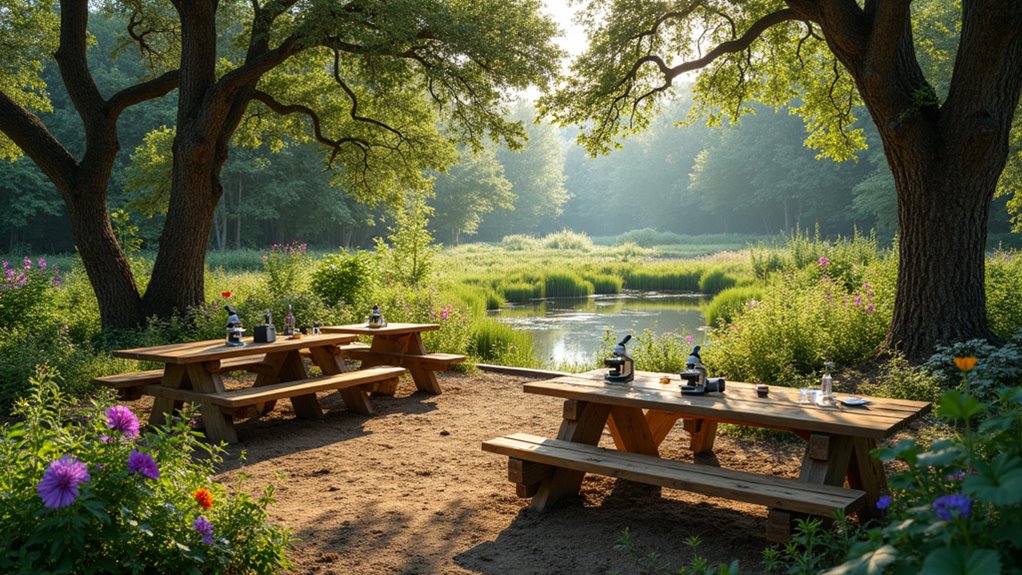

Environmental education serves as an essential foundation for addressing future sustainability challenges. Research shows it enhances academic performance across subjects while developing critical thinking and leadership skills. Students gain practical knowledge about ecological systems, resource management, and emerging green technologies – preparing them for careers in sustainability sectors. This education creates environmentally-literate citizens capable of making informed decisions about complex environmental issues. Understanding these fundamentals opens doors to deeper insights about our planet’s future.
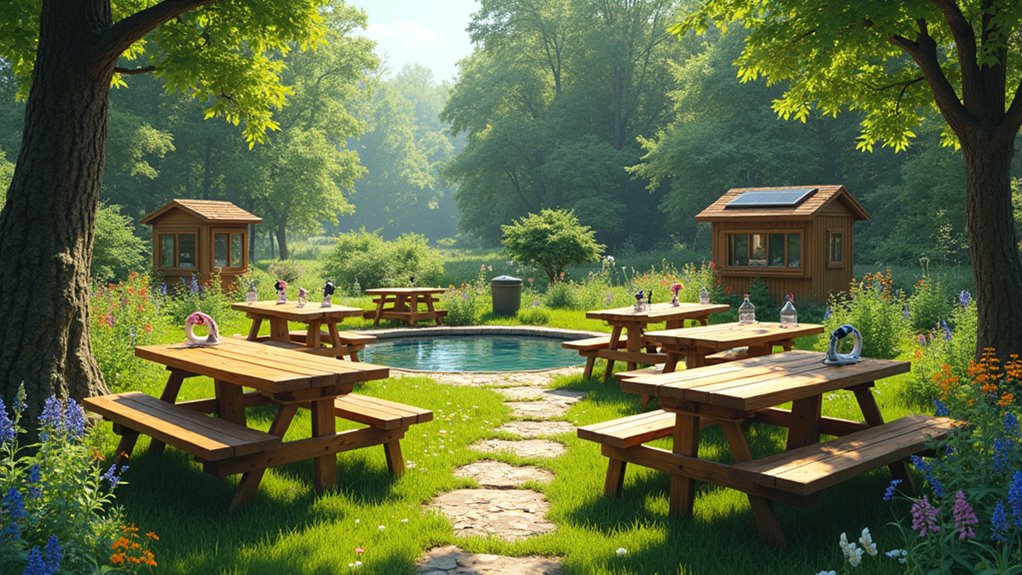
Environmental education stands as one of the most powerful tools for shaping a sustainable future, equipping students with both the knowledge and skills needed to tackle complex ecological challenges. Research consistently demonstrates that environmental education delivers remarkable academic benefits, enhancing critical thinking abilities and boosting performance across multiple subjects, including science, mathematics, and language arts.
Students engaged in environmental learning programs show measurable improvements in standardized test scores while developing essential 21st century skills like teamwork and effective communication. The programs are designed to create productive harmony between humans and the natural world. Nature reserves and parks serve as essential outdoor classrooms for these educational initiatives.
Environmental learning boosts test scores and cultivates critical teamwork and communication abilities needed for success in today’s world.
Beyond academic achievements, environmental education plays an important role in nurturing personal growth and wellbeing. Students who participate in outdoor learning experiences show reduced stress levels and improved symptoms of attention deficit disorders. These programs foster self-confidence, leadership capabilities, and a deeper sense of connection to their local communities and natural surroundings. Inspiring future generations through biodiversity education can cultivate an early appreciation for the environment that encourages lifelong sustainable behavior. Innovative global programs for environmental education highlight the importance of equity and measurable impact, ensuring that all students have access to these transformative opportunities. Environmental NGOs in education provide resources and outreach that expand eco-literacy worldwide, connecting students to vital environmental concepts.
The combination of physical activity and nature-based learning creates a powerful framework for holistic development. By utilizing resources from empowering educators to create eco-friendly curriculum, teachers can further enhance students’ understanding of environmental issues.
The career-preparation aspects of environmental education cannot be overlooked in today’s rapidly evolving job market. As the world changes toward sustainable practices, students with environmental literacy and hands-on experience with green technologies are increasingly valuable to employers.
These programs introduce young people to emerging career paths in environmental sciences, sustainable development, and renewable energy sectors, while providing practical skills that will be essential in future workplace sustainability initiatives.
Environmental education serves as a catalyst for community engagement and global citizenship. Students become active participants in local environmental projects, working alongside community experts and mentors to address real-world challenges.
This hands-on involvement builds bridges between schools and their communities while fostering cross-cultural awareness and international collaboration on environmental issues. Young people emerge as empowered change agents, ready to tackle complex sustainability challenges at both local and global levels.
Perhaps most importantly, environmental education builds the foundation for sustainable development by teaching future generations how to balance economic progress with environmental stewardship.
Students learn practical skills in sustainable resource management, renewable energy systems, and responsible consumption practices. They develop an understanding of ecological systems and human impacts, while gaining the tools needed to identify and address environmental challenges.
This thorough approach creates informed citizens who can make responsible decisions about environmental issues and contribute to solutions for pressing global challenges.
The impact of environmental education extends far beyond the classroom, creating ripple effects throughout society. As these students become leaders, innovators, and decision-makers, their environmental literacy and sustainability mindset will influence policies, technologies, and business practices for decades to come.
In an era of unprecedented environmental challenges, environmental education isn’t just beneficial – it’s absolutely vital for creating a sustainable and prosperous future for all.
Frequently Asked Questions
How Can Parents Incorporate Environmental Education at Home With Young Children?
Parents can make environmental education engaging through hands-on activities at home. Simple projects like backyard scavenger hunts, gardening, and recycling stations teach sustainability naturally.
Nature walks help kids observe local ecosystems, while craft projects using found materials spark creativity.
Setting up compost bins and discussing eco-friendly choices during shopping makes environmental awareness part of daily routines.
These activities build lasting habits while keeping learning fun and interactive.
What Careers Are Available for Students Specializing in Environmental Education?
Students specializing in environmental education can pursue diverse career paths across multiple sectors.
Traditional roles include K-12 teaching, college professorships, and positions at nature centers. Government agencies and nonprofits hire education specialists and outreach coordinators.
The private sector offers opportunities in corporate sustainability training and ecotourism. Emerging fields include climate change education, environmental justice advocacy, and virtual reality environmental instruction.
Many positions offer competitive salaries and growth potential.
How Does Environmental Education Differ Between Urban and Rural Schools?
Environmental education varies considerably between urban and rural settings.
Urban schools benefit from greater access to science centers and museums, while rural schools leverage their natural surroundings for hands-on learning.
Urban students typically score higher on environmental awareness (25.5 vs 22.7) and critical thinking assessments.
However, rural schools excel with smaller class sizes and closer community ties.
Both settings face unique challenges in resource access and teaching approaches.
Can Environmental Education Help Reduce Eco-Anxiety in Students?
Research shows environmental education effectively reduces eco-anxiety in students by providing knowledge and tools to address climate challenges.
Through hands-on learning, open dialogue, and solution-focused activities, students develop emotional resilience and coping mechanisms.
When young people understand environmental issues and feel empowered to take action, their anxiety transforms into informed engagement.
Studies indicate that 59% of youth experience climate-related anxiety, making environmental education essential for mental wellbeing.
Which Countries Currently Have the Most Effective Environmental Education Programs?
Finland, Sweden, and Japan consistently rank among global leaders in environmental education.
Finland’s integrated approach since the 1970s and Sweden’s innovative “forest schools” have become models worldwide.
Japan’s nationwide programs show impressive results in student engagement and behavioral change.
Costa Rica’s biodiversity-focused curriculum and Germany’s vocational emphasis round out the top performers.
These nations share common elements: hands-on learning, teacher training, and strong partnerships with environmental organizations.