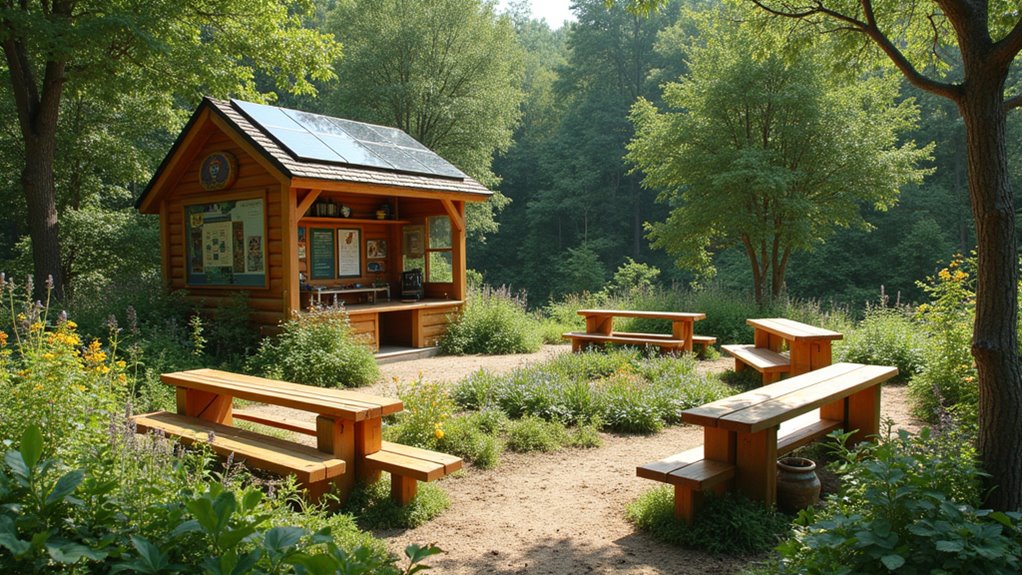
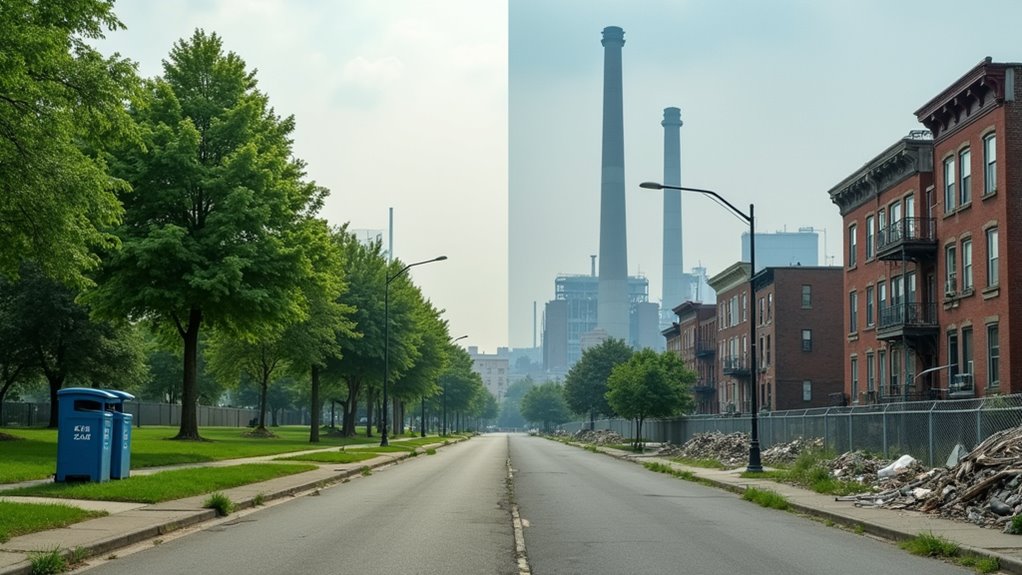
NGOs are revolutionizing environmental education through targeted programs that reach millions globally. Organizations like the Foundation for Environmental Education impact over 20 million students through Eco-Schools, while innovative initiatives like “One Tree Planted” make conservation accessible. Digital platforms from NAAEE and FEE Academy provide free resources to educators worldwide, while partnerships with governments and businesses amplify impact. Local programs like Earth Tomorrow create hands-on learning opportunities that transform communities. The deeper story of these transformative efforts reveals impressive innovations in sustainability education.
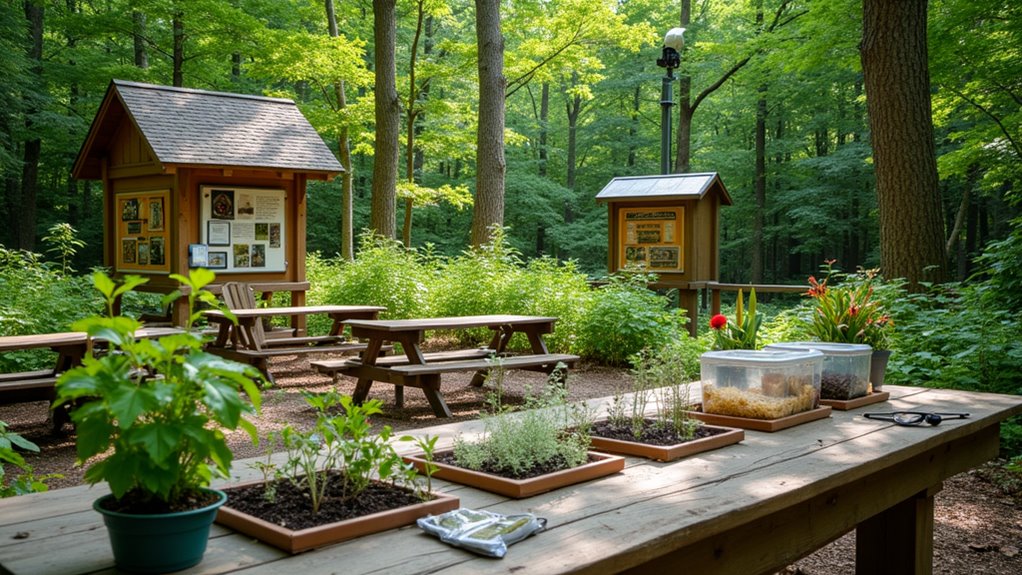
As environmental challenges continue to mount globally, non-governmental organizations (NGOs) are stepping up to transform how young people learn about and engage with ecological issues. Organizations like the Foundation for Environmental Education (FEE) are leading the charge, operating five distinct programs across 81 countries and reaching over 20 million students through their Eco-Schools initiative in 2021 alone. The Corcovado Foundation has been particularly impactful in Costa Rica, empowering hundreds of local schoolchildren through sustained environmental programs.
These NGOs are revolutionizing environmental education through hands-on learning experiences that go beyond traditional classroom settings. Living Lands and Waters hosts practical workshops where students actively participate in river cleaning, while Eden Projects takes a community-based approach by employing locals to plant trees in countries like Ethiopia, Madagascar, Nepal, and Haiti. The innovative “One Tree Planted” program has simplified environmental action to its essence – just one dollar plants one tree. Over 42,000 trees were distributed across 40 states and provinces through Neighborhood Forest’s initiatives in 2023. Sustainable design is exemplified through the incorporation of green building practices in educational initiatives, demonstrating real-world applications of ecological principles.
Curriculum development has evolved markedly, with organizations creating sophisticated, science-based content that meets modern educational standards. Kiss the Ground has developed NGSS-aligned middle school curriculum focusing on soil science, while National Geographic’s Geo-Inquiry Process teaches students civic engagement through real-world projects. Empowering educators to create eco-friendly curriculum is essential for long-term impact, as educators are central to fostering environmental awareness and action. These programs are complemented by creative initiatives like Alive & Awake’s “musical tree kits,” which teach carbon sequestration through artistic expression.
Modern environmental education blends rigorous science with creative approaches, making complex concepts accessible and engaging for today’s students.
The power of partnerships has become increasingly evident in environmental education. Conservation International works extensively with governments and businesses to develop climate solutions, while WeForest builds corporate and scientific partnerships to fund large-scale tree planting initiatives. The Nature Conservancy exemplifies this collaborative approach by bringing together scientists, policymakers, and communities to create lasting environmental change. Innovative global programs for environmental education are being showcased as models of innovation and measurable impact. Environmental education is crucial in shaping informed citizens who can effectively tackle climate and ecological challenges.
Digital resources have expanded access to environmental education exponentially. The North American Association for Environmental Education (NAAEE) provides extensive online resources for educators, while the FEE Academy offers a free learning platform accessible to anyone interested in environmental education. These digital tools have become especially vital in reaching remote communities and adapting to modern learning needs.
Community engagement remains at the heart of successful environmental education programs. National Public Lands Day unites volunteers across the country, while initiatives like Earth Tomorrow create targeted education opportunities for youth in Atlanta communities. The impact of these programs is considerable – the National Environmental Education Foundation’s programs alone reached 12 million young people in 2019.
Through policy advocacy and influence, NGOs are working to institutionalize environmental education. The Sierra Club advocates for statewide environmental literacy initiatives, while NAAEE accelerates environmental literacy through policy work and civic engagement. Organizations like ICLEI have expanded their influence to over 125 countries, demonstrating the global reach of these efforts to advance environmental education and awareness.
Frequently Asked Questions
How Can Individuals Start Their Own Environmental Education NGO?
Starting an environmental education NGO requires several key steps. First, establish legal status by registering as a non-profit and securing tax-exempt certification.
Next, develop engaging curricula aligned with educational standards and local environmental needs. Build partnerships with schools, community organizations, and environmental agencies.
Finally, guarantee sustainability through diverse funding sources and regular program evaluation. Success depends on having a clear mission, dedicated team, and strong community connections.
What Qualifications Are Needed to Work in Environmental Education NGOS?
Environmental education NGO positions typically require a bachelor’s degree in environmental science, education, or related fields, with many organizations preferring master’s degrees.
Candidates need strong scientific knowledge, teaching abilities, and program development skills. Essential qualifications include state certifications, experience leading outdoor activities, and proven communication abilities.
Professional certifications from organizations like NAAEE strengthen applications.
Most importantly, successful candidates demonstrate genuine passion for environmental conservation and ability to engage diverse audiences.
How Do NGOS Measure the Success of Their Environmental Education Programs?
NGOs employ diverse metrics to evaluate their environmental education initiatives. They track quantitative data like knowledge gains through pre/post assessments and participation rates, while gathering qualitative insights via interviews and behavioral observations.
Success is measured through outcome evaluations of pro-environmental behaviors, community projects initiated, and environmental literacy improvements.
Long-term impact analysis includes follow-up assessments after 6-12 months to gauge sustained behavior changes and broader community effects.
What Funding Sources Are Available for Environmental Education NGO Initiatives?
Environmental education NGOs can access diverse funding streams through government grants like EPA’s Environmental Education program and NOAA’s B-WET initiatives.
Corporate sponsorships from companies like Mars Wrigley and PPG provide substantial support, while foundation funding offers access to over $2 trillion in combined assets.
Alternative sources include crowdfunding campaigns, membership fees, and educational workshops.
Local partnerships with universities and businesses can also contribute valuable in-kind resources and joint funding opportunities.
How Do Environmental Education NGOS Collaborate With Local Government Bodies?
Environmental education NGOs partner with local governments through multiple channels of collaboration.
They conduct joint workshops to train officials, co-develop school curricula, and share resources for environmental monitoring. NGOs provide technical expertise for policy development while helping implement regulations.
They also work together on community outreach through cleanup drives, conservation projects, and disaster preparedness.
This partnership leverages combined strengths to achieve broader environmental impact and community engagement.