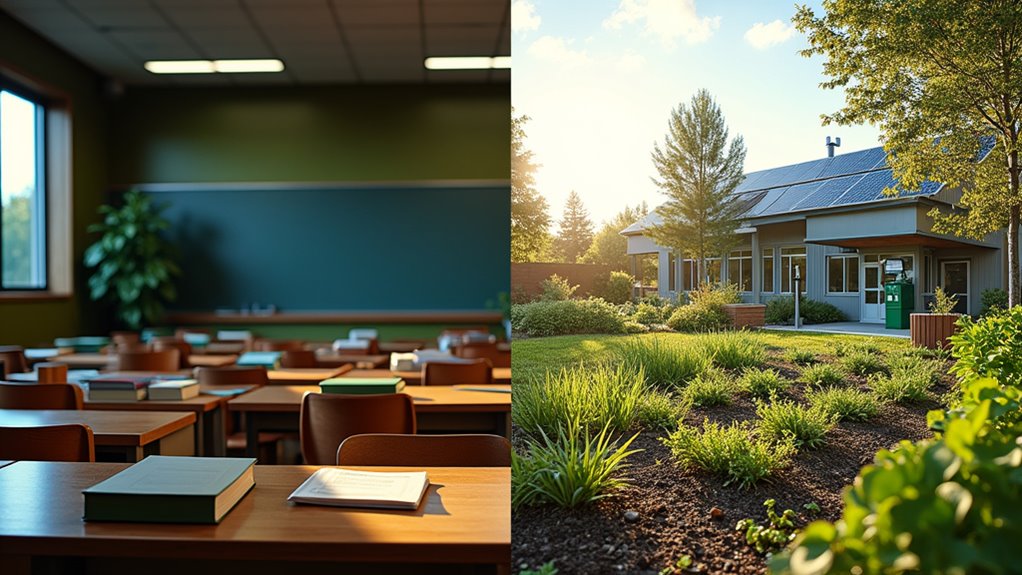
Outdoor learning programs deliver measurable academic and personal growth through hands-on experiences beyond classroom walls. Students show improved test scores, especially in STEM subjects, while developing practical skills through real-world data collection and environmental projects. These programs reduce stress, build confidence, and create passionate environmental advocates. Regular exposure to nature deepens ecological understanding and promotes sustainable practices. Going beyond traditional education, outdoor learning transforms theoretical knowledge into meaningful community impact. The path to discovering nature’s classroom awaits.
While traditional classroom learning remains the cornerstone of education, outdoor learning programs have emerged as a powerful complement that transforms the way students engage with academic content. These innovative programs are revolutionizing education by taking learning beyond four walls and creating lasting impacts that extend far beyond academic achievement.
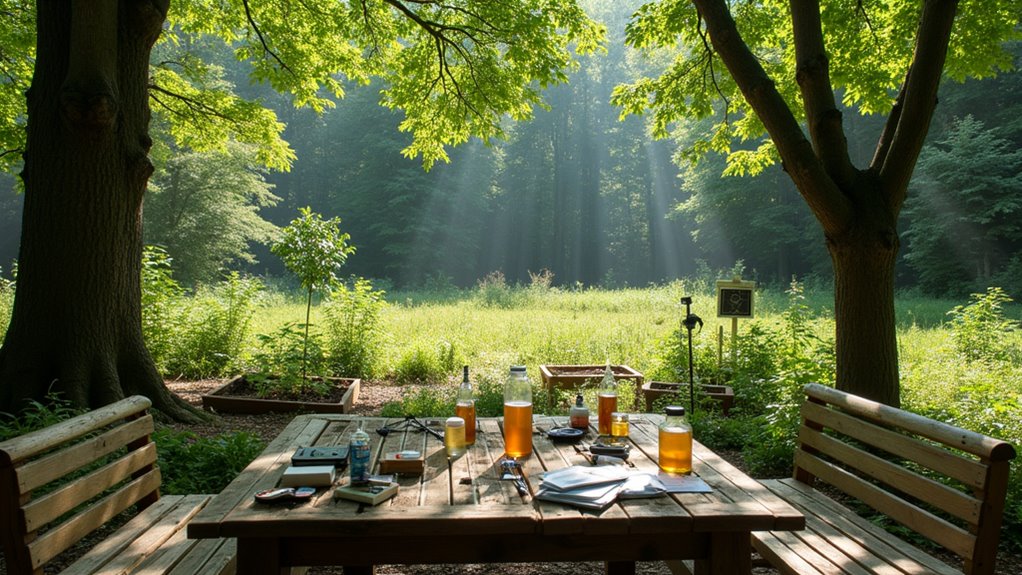
Research consistently demonstrates that outdoor learning environments greatly boost student performance across multiple domains. When students engage with nature-based learning experiences, they show marked improvements in standardized test scores, particularly in STEM subjects. The hands-on nature of outdoor education naturally accommodates diverse learning styles, making complex concepts more accessible and memorable for students who might struggle in conventional classroom settings. Recent studies indicate that traffic and pedestrian surveys enhance students’ observational skills and real-world data collection abilities. Project-based learning has shown particularly strong results in improving academic performance among students in high-poverty communities. Outdoor programs also benefit from integrating indigenous knowledge, which enriches students’ perspectives on environmental stewardship. Educators are increasingly incorporating eco-friendly curriculum development techniques into their outdoor programs, ensuring that students not only learn about the environment but also work towards its preservation. Furthermore, integrating sustainability into school curricula has been shown to empower students to make environmentally conscious decisions both in and outside the classroom.
The mental health benefits of outdoor learning programs are equally compelling. Students participating in regular outdoor activities experience reduced stress levels and improved emotional well-being. These programs create natural opportunities for social interaction and team building, helping students develop essential interpersonal skills while fostering a sense of community. The combination of physical activity and natural surroundings has proven particularly effective in boosting self-confidence and reducing anxiety among participants. The integration of sustainable design principles into outdoor learning spaces further enhances the learning environment by creating eco-friendly and inspiring places for students to explore.
Environmental stewardship emerges as a natural byproduct of outdoor learning experiences. As students develop intimate connections with the natural world, they gain a deeper understanding of ecological systems and environmental challenges. This firsthand exposure often leads to increased environmental awareness and a stronger commitment to sustainable practices. Many participants go on to become environmental advocates in their communities, creating a ripple effect of positive change.
Implementation of effective outdoor learning programs requires careful planning and resource allocation. Successful programs typically involve partnerships between schools and local environmental organizations, creating rich learning opportunities that align with curriculum requirements. While challenges such as weather conditions and safety concerns exist, innovative solutions like adaptable outdoor spaces and thorough safety protocols help address these issues.
The real-world impact of outdoor learning extends beyond individual student success. These programs create engaged citizens who understand complex environmental and social challenges through direct experience. Students develop critical thinking skills by solving real-world problems, whether it’s designing sustainable garden systems or conducting field research on local ecosystems. The practical nature of these experiences helps bridge the gap between theoretical knowledge and actual application.
Despite occasional implementation challenges, the benefits of outdoor learning programs far outweigh the obstacles. Schools that have successfully integrated outdoor education report improved academic outcomes, stronger student engagement, and enhanced community connections. As education continues to evolve, outdoor learning programs represent an important pathway toward creating more resilient, environmentally conscious, and capable learners who are prepared to tackle the complex challenges of our changing world.
Frequently Asked Questions
What Safety Measures Are in Place for Extreme Weather Conditions?
Thorough safety measures for extreme weather incorporate real-time monitoring systems, emergency communication protocols, and designated shelter locations.
Staff receive training in weather forecast interpretation and decision-making procedures. Infrastructure includes lightning protection, proper drainage, and reinforced outdoor equipment.
Personal protective gear, emergency supplies, and clear protocols for activity modification guarantee student safety.
Regular drills and incident tracking help maintain preparedness for various weather scenarios.
How Do Outdoor Programs Accommodate Students With Physical Disabilities?
Outdoor programs utilize specialized equipment and thoughtful design to guarantee accessibility for students with physical disabilities.
Adaptive devices like all-terrain wheelchairs and sit-skis enable participation in various activities. Programs feature accessible trails, ramps, and modified equipment, while trained staff provide personalized support.
Universal design principles guide facility development, creating inclusive spaces. Flexible scheduling and customized learning goals allow students to engage at their own pace and comfort level.
What Qualifications Do Outdoor Program Instructors Need to Have?
Outdoor program instructors require extensive qualifications to guarantee participant safety and educational quality.
Core requirements include a bachelor’s degree in outdoor education or related field, Wilderness First Responder certification, and specialized activity certifications. They must demonstrate mastery of technical skills like navigation and risk management, while possessing strong teaching abilities.
Personal qualities such as sound judgment, physical fitness, and interpersonal skills are essential. Many organizations require completion of intensive instructor training programs.
Can Parents Participate or Observe During Outdoor Learning Sessions?
Yes, parents can actively participate in outdoor learning sessions through various roles.
Many programs welcome parents as volunteer assistants, chaperones, or skills contributors. Observation opportunities are also available through designated viewing areas and special showcase events.
Programs typically maintain clear guidelines to balance parental involvement with children’s independence and safety protocols. Regular communication channels, like photo updates and conferences, keep parents connected to their child’s outdoor learning journey.
Are There Indoor Alternatives When Outdoor Activities Must Be Canceled?
When outdoor activities face cancellation, numerous engaging indoor alternatives can maintain the educational momentum.
Students can participate in nature journaling, virtual field trips, and indoor nature observation stations. Well-designed indoor spaces incorporating natural elements create opportunities for cloudspotting, wildlife viewing through windows, and examining specimens.
Indoor loose parts play with natural materials and nature-themed multimedia resources keep children connected to environmental learning despite weather constraints.