
Citizen science revolutionizes how research and education intersect by transforming everyday people into active contributors to scientific discovery. Through mobile technologies and user-friendly platforms, participants collect valuable data while developing critical thinking skills and environmental literacy. This collaborative approach strengthens conservation efforts, supports policy decisions, and breaks down traditional barriers to scientific participation. The integration of citizen science into formal education creates powerful opportunities for hands-on learning and real-world impact. These innovative partnerships between scientists and citizens reveal deeper insights into our changing world.
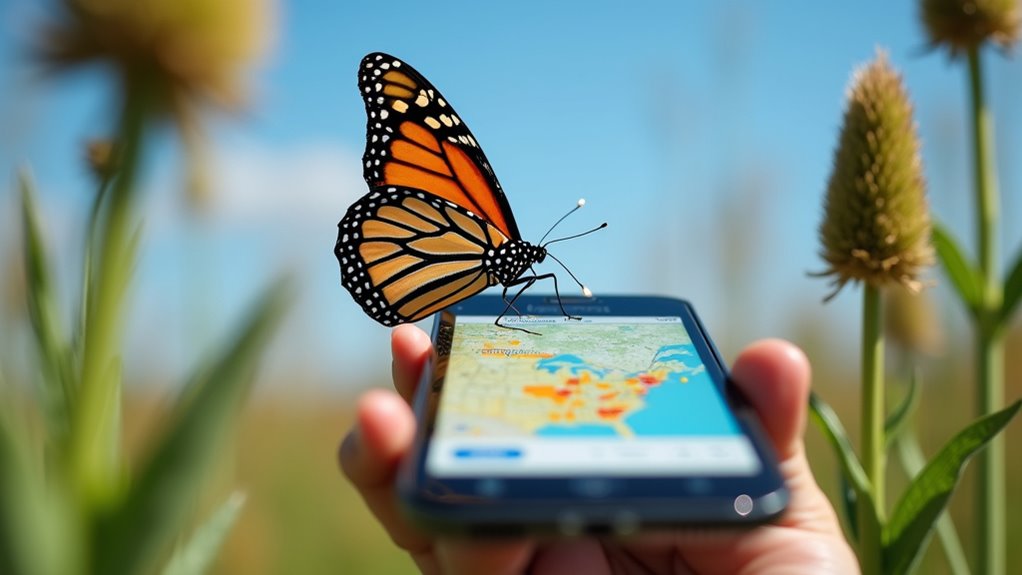
As scientific research continues to evolve in the digital age, citizen science has emerged as a powerful bridge between formal education and real-world scientific discovery. This innovative approach to research and learning enables everyday people to contribute meaningfully to scientific endeavors while developing important thinking skills and environmental literacy. Through mobile technologies and user-friendly online platforms, participants from diverse backgrounds can now engage in data collection and analysis that was once limited to professional scientists. Critical thinking skills are reinforced through hands-on data collection and analysis activities.
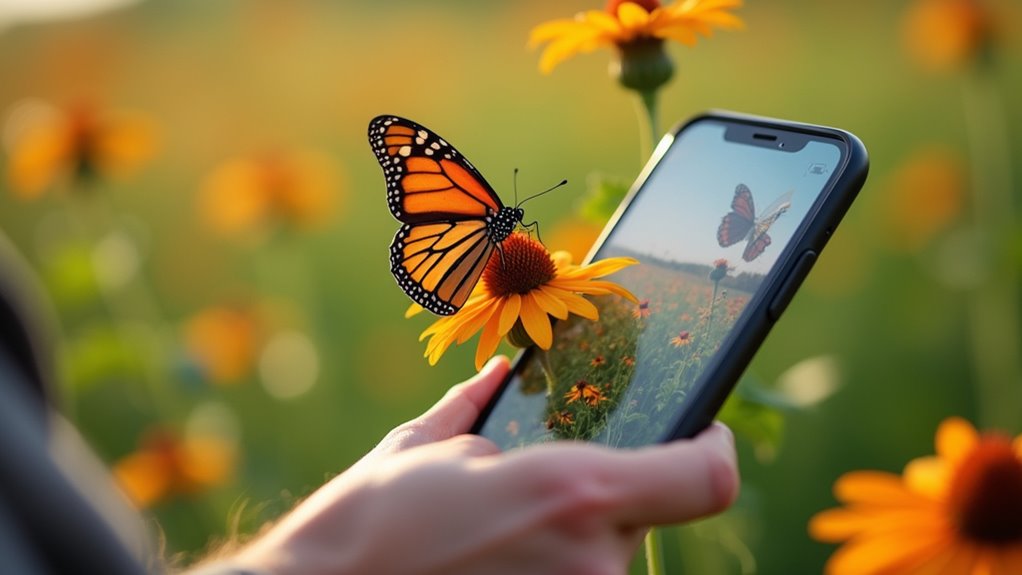
Citizen science democratizes research, allowing anyone with a mobile device to contribute to scientific knowledge while building crucial analytical skills.
The impact of citizen science extends far beyond individual learning outcomes. Large-scale data collection efforts have contributed greatly to conservation efforts and environmental policy decisions. Communities have become empowered to advocate for their local environments, while simultaneously strengthening the connections between science and society. This participatory approach has proven particularly effective in addressing immediate socio-scientific issues, supporting the achievement of UN Sustainable Development Goals through direct public engagement. Co-created projects enable citizens to take an active role in every step of the research process, from formulating questions to analyzing results. Programs that focus on innovation, equity, and measurable impact are particularly successful in engaging a wide audience and achieving meaningful results. Empowering communities to protect wildlife together exemplifies how grassroots involvement enriches research and fosters a deeper public commitment to preservation. Through local stewardship, communities can ensure culturally respectful and sustainable environmental outcomes. Environmental education plays a pivotal role in equipping citizens with the knowledge and skills needed to tackle ecological challenges through informed participation in these projects.
Technology plays a key role in modern citizen science initiatives. Artificial intelligence systems provide personalized learning experiences, while robust data management platforms guarantee the quality and accessibility of collected information. These technological tools have democratized scientific participation, though challenges remain in guaranteeing equitable access across all communities. The development of user-friendly interfaces has been essential in breaking down barriers for minorities and underserved populations who have historically been excluded from scientific endeavors.
The educational benefits of citizen science are substantial and measurable. Participants develop enhanced scientific reasoning abilities and improve their understanding of scientific processes. These projects foster positive attitudes towards science while building practical skills in data collection and analysis. Additionally, citizen science initiatives have demonstrated success in supporting lifelong learning outside traditional classroom settings, making science education more accessible and engaging for people of all ages and backgrounds.
Looking toward the future, citizen science continues to evolve and adapt to changing educational needs. Integration into formal curriculum design is becoming more common, while standardized evaluation methods are being developed to assess learning outcomes more effectively. The potential for building science capital – the sum of all science-related knowledge, experiences, and social connections – represents a promising pathway for reducing inequalities in scientific participation and career access.
The transformative power of citizen science lies in its ability to simultaneously serve educational and research objectives. While challenges exist in balancing these dual purposes and guaranteeing equitable access, the benefits are clear: enhanced environmental awareness, improved scientific literacy, and meaningful contributions to research that addresses real-world problems.
As this field continues to mature, its role in both education and scientific discovery becomes increasingly important to our understanding and stewardship of the natural world.
Frequently Asked Questions
How Can I Verify the Accuracy of Data Collected by Citizen Scientists?
Verifying citizen science data requires multiple validation approaches. Expert scientists can review collected information and conduct field checks to confirm observations.
Statistical analysis helps identify outliers and unusual patterns. Quality control protocols, including standardized methods and proper training, guarantee consistent data collection.
Additionally, community-based validation through peer review and local knowledge provides important verification. Together, these methods help maintain data accuracy and reliability in citizen science projects.
What Legal Considerations Should I Know Before Starting a Citizen Science Project?
Legal considerations for citizen science projects center on four key areas: intellectual property rights, data ownership, participant protections, and regulatory compliance.
Projects must secure proper licenses for copyrighted materials, establish clear data ownership policies, and obtain informed consent from volunteers.
Additionally, organizers need to follow relevant laws like the Crowdsourcing Act, acquire necessary permits for field work, and guarantee compliance with research misconduct policies when using federal funding.
Are There Any Age Restrictions for Participating in Citizen Science Programs?
Most citizen science programs have no minimum age requirement, allowing participants of all ages to contribute.
Children under 13 typically need adult supervision, while families and schools are actively encouraged to participate together.
While some digital platforms may have specific age restrictions for account creation, youth-focused programs like Project BudBurst and NASA’s GLOBE offer age-appropriate tasks.
Parental consent is usually required for minors participating in field-based activities.
How Do Citizen Science Projects Handle Participant Privacy and Data Ownership?
Citizen science projects employ robust privacy and data ownership protocols to protect participants.
Personal data is anonymized before public sharing, with strict access controls and encryption in place. Participants must provide informed consent and retain rights to their data, including access and deletion options.
Projects typically establish clear ownership policies upfront and implement ethical governance through review boards.
Regular audits guarantee compliance with privacy standards and address participant concerns promptly.
What Equipment or Resources Are Typically Needed to Join Citizen Science Initiatives?
Most citizen science projects require basic technology like smartphones with internet and GPS, plus simple field equipment tailored to the specific research.
Participants typically need data collection tools such as notebooks, measuring devices, and sample containers. Quality binoculars are essential for wildlife studies, while water testing kits support environmental monitoring.
Project websites provide vital educational resources, including species guides and training materials to help volunteers gather reliable data.