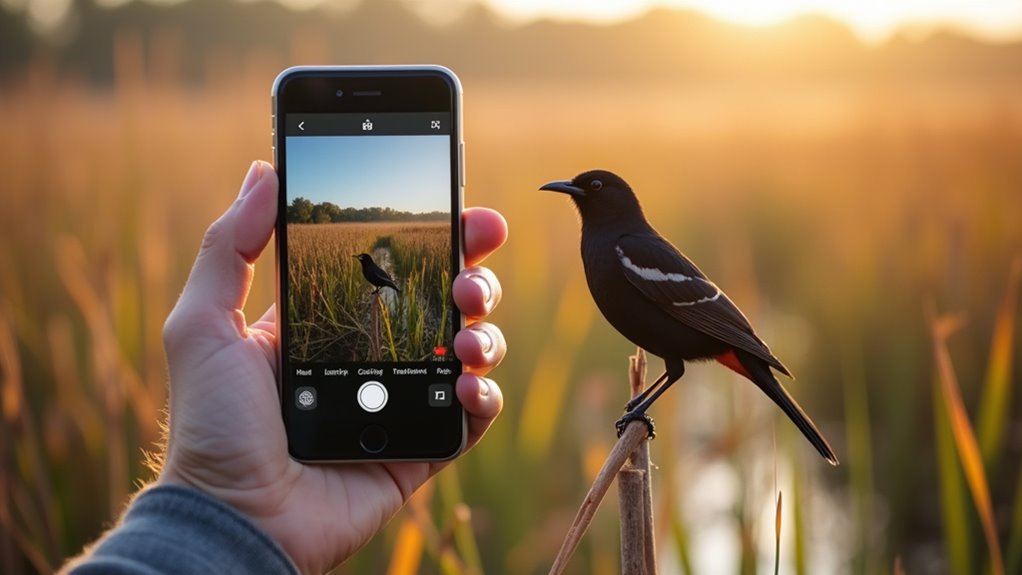

Citizen science programs transform everyday people into valuable contributors to conservation research through structured data collection and analysis. Using mobile apps and digital platforms, volunteers monitor wildlife, track environmental changes, and expand scientific knowledge beyond traditional research boundaries. Professional oversight and rigorous validation guarantee data quality, while public participation provides cost-effective solutions for large-scale projects. This collaborative approach between scientists and citizens creates a powerful framework for understanding and protecting our natural world. Discovering how this partnership shapes conservation outcomes reveals fascinating possibilities.

While traditional scientific research often requires years of specialized training, citizen science has emerged as a powerful tool that transforms ordinary people into valuable contributors to conservation efforts worldwide. Through carefully designed projects spanning disciplines like archaeology, astronomy, and biology, volunteers collect and analyze data that aids researchers in understanding and protecting our natural world. From counting birds to monitoring marine debris, citizen scientists expand the reach and impact of scientific research far beyond what professional researchers could achieve alone.
Citizen science empowers everyday people to contribute meaningfully to research, expanding scientific knowledge far beyond traditional academic boundaries.
The impact of citizen science on conservation has been remarkable, particularly through technology-enabled initiatives. Mobile apps like eBird and iNaturalist have revolutionized wildlife monitoring, allowing anyone with a smartphone to contribute meaningful data. These platforms, combined with Geographic Information Systems and sophisticated online databases, enable volunteers to submit observations that help track everything from invasive species spread to the timing of seasonal events in response to climate change. The development of digital platforms has significantly enhanced public participation in environmental research projects. This collaborative approach has deep historical significance, with citizen observations dating back 2000 years to ancient China. The geographic spread of infectious diseases due to climate change further underscores the importance of citizen science in monitoring ecological shifts that may affect public health. Indigenous leadership in conservation has demonstrated how traditional knowledge integrates with modern methods for better outcomes.
The quality and reliability of citizen science data, once a point of skepticism in the scientific community, has proven to be remarkably robust when projects are properly designed and implemented. Professional oversight, thorough volunteer training, and rigorous data validation processes guarantee that citizen-collected data meets scientific standards. Many citizen science projects have successfully published their findings in peer-reviewed journals, demonstrating the legitimacy of this approach to research. Extreme weather events, exacerbated by climate change, highlight the critical need for timely data collection to inform disaster response and biodiversity conservation efforts.
The benefits extend far beyond data collection. Citizen science provides cost-effective solutions for large-scale research projects while fostering public engagement and scientific literacy. When people participate in monitoring their local environments, they develop a deeper understanding of conservation challenges and become more invested in environmental outcomes. This increased awareness often leads to better-informed policy decisions and more effective natural resource management strategies. Furthermore, breeding programs in wildlife conservation are complemented by citizen science, as public engagement helps ensure the success of these initiatives through increased awareness and support.
However, citizen science faces its own set of challenges. Maintaining consistent data quality across diverse volunteer groups, addressing potential biases in data collection, and managing large volumes of information require careful attention. Perhaps the most significant challenge is sustaining long-term volunteer participation, which is essential for tracking environmental changes over time.
Despite these obstacles, success stories abound. eBird has transformed our understanding of bird migration patterns and population trends globally. Volunteer-collected data on marine debris has influenced policy decisions about plastic pollution. Citizen scientists tracking phenology have provided essential evidence of climate change impacts on local ecosystems. These achievements demonstrate the significant role that public participation plays in modern conservation science.
The future of conservation increasingly depends on this powerful combination of professional expertise and citizen engagement. As environmental challenges become more complex and urgent, the ability to gather data across vast geographic areas and long time periods becomes increasingly important. Through citizen science, we’re not just collecting better data – we’re building a more informed, engaged, and environmentally conscious society.
Frequently Asked Questions
How Can Citizen Scientists Protect Themselves While Collecting Data in Remote Areas?
Citizen scientists can protect themselves in remote areas through vital safety protocols.
Always inform others of location and return time, carry emergency supplies including first aid kits and reliable communication devices, and travel in groups when possible.
Proper protective gear, weather-appropriate clothing, and sufficient water are essential.
Regular check-ins with base contacts, knowledge of local terrain, and awareness of potential wildlife encounters help guarantee safe data collection expeditions.
What Legal Responsibilities Do Citizen Scientists Have When Conducting Conservation Research?
Citizen scientists must comply with several key legal requirements when conducting conservation research.
They need proper permits and permissions before collecting data, must follow established protocols for wildlife observation, and adhere to property access laws.
They’re legally obligated to maintain data integrity, protect sensitive species locations, and respect privacy guidelines.
Additionally, they must follow safety regulations and obtain necessary insurance coverage for fieldwork activities.
Can Children Participate in Citizen Science Conservation Projects?
Children can actively participate in citizen science conservation projects through age-appropriate activities.
Many programs specifically design tasks for young participants, from bird counting to water quality monitoring. Technology like mobile apps makes participation accessible and engaging.
These activities help kids develop scientific skills while contributing valuable data. No prior experience is needed – just curiosity and enthusiasm.
Adult supervision guarantees safety during outdoor observations and data collection.
How Accurate Is Citizen-Collected Data Compared to Professional Research?
Studies consistently show that citizen-collected data can be highly accurate when compared to professional research.
Multiple analyses demonstrate up to 96% agreement between volunteer and expert observations, particularly in vegetation and aquatic species monitoring.
Data quality depends primarily on proper project design, volunteer training, and standardized protocols.
While some variation exists based on task complexity, well-designed citizen science projects produce data that’s statistically comparable to professional research standards.
What Technology or Equipment Do Citizen Scientists Need to Get Started?
Getting started in citizen science requires minimal equipment – just a smartphone with basic apps and internet access is enough to begin collecting and sharing observations.
For specialized projects, simple tools like binoculars, water testing kits, or rain gauges may be needed.
Popular free apps like iNaturalist and eBird make data collection straightforward, while basic field guides help with species identification.
Most projects provide necessary training and equipment guidance for participants.


