

Habitat restoration projects worldwide are breathing new life into damaged ecosystems while delivering impressive economic returns. For every $1 invested, these initiatives generate $9-47 in benefits through increased property values, flood protection, and job creation. From wetland revival in the Great Dismal Swamp to artificial reefs like USS Oriskany, successful projects demonstrate nature’s resilience. Despite challenges like climate change and funding, restoration efforts continue transforming degraded landscapes into thriving habitats that benefit both wildlife and communities. The path to ecological recovery holds countless untold success stories.
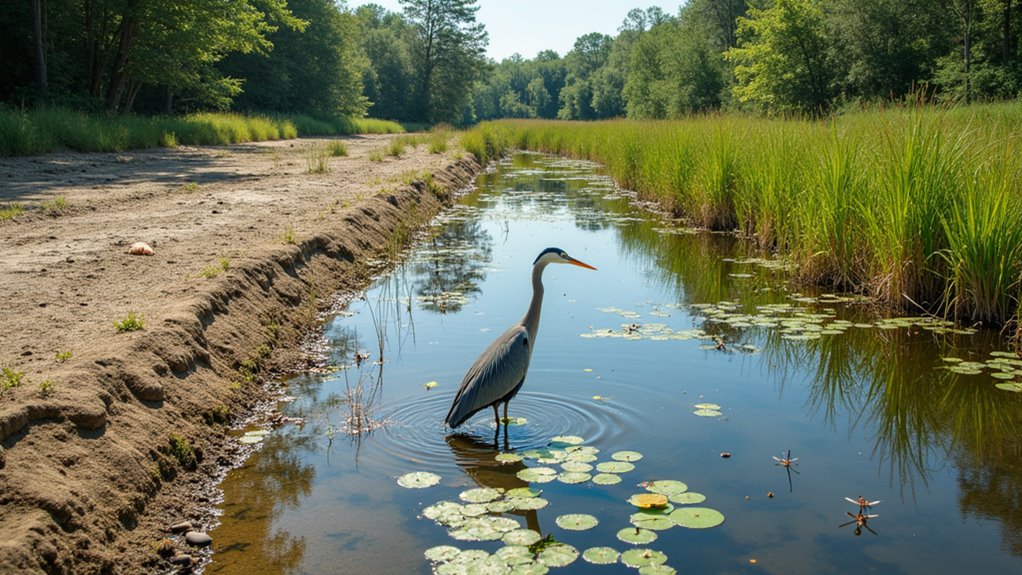
Nature’s resilience shines through habitat restoration projects, which represent one of the most promising frontiers in environmental conservation. These initiatives aim to revive degraded, damaged, or destroyed ecosystems, returning them to their original or near-original condition while enhancing biodiversity and ecosystem functionality. From wetlands to forests, grasslands to coral reefs, restoration efforts are proving that strategic intervention can heal environmental wounds and create lasting benefits for both wildlife and human communities. The field has evolved significantly since the early 1900s when wildlife protection recognition first sparked conservation efforts. Globally, these efforts are crucial as ecosystem degradation affects an estimated 3.2 billion people. Protecting biodiversity hotspots is especially vital, as these areas hold a significant portion of the world’s species diversity under threat. Restoring hope through successful conservation stories can inspire further actions in ecological recovery.
The economic impact of habitat restoration extends far beyond environmental gains. For every million dollars invested, these projects generate an average of 15 new jobs, while delivering impressive returns ranging from $9 to $47 for each dollar spent. In Muskegon Lake, Michigan, restoration efforts led to a remarkable $12 million increase in property values and generated $1 million annually in recreational spending. Similarly, the Skagit Delta restoration in Washington demonstrated its worth by reducing flood damage and maintenance costs by $21 million. Biodiversity conservation is an essential component of these projects, ensuring that restored habitats are resilient to future climate impacts. Preserving marine ecosystems through habitat restoration helps maintain the balance necessary to support diverse marine life and human reliance on these resources.
Restoration techniques vary widely depending on the ecosystem’s needs. Teams employ a diverse toolkit that includes revegetation with native species, removal of invasive plants through mechanical or biological methods, and hydrological restoration such as dam removal and floodplain reconnection. In Huntington Beach, California, restoration efforts are sequestering carbon worth $130,000 annually, while also improving soil quality and reducing erosion. The creation of wildlife corridors helps connect fragmented habitats, allowing species to move freely and maintain healthy populations.
Success stories abound across different ecosystem types. The Great Dismal Swamp restoration in Virginia and North Carolina showcases the potential of wetland revival, while the USS Oriskany’s transformation into an artificial reef in Florida demonstrates innovative approaches to marine habitat creation. Urban areas are also benefitting from restoration, as vacant lots transform into vibrant green spaces that serve both wildlife and local communities.
However, these projects face significant challenges that require careful navigation. Securing adequate funding for long-term management, addressing climate change impacts, and balancing ecological goals with socio-economic needs are constant considerations. Successful restoration demands regular monitoring of ecological indicators, flexibility in management approaches, and sustained community engagement.
Project managers must be prepared to adjust their strategies based on scientific data and changing conditions. Despite these challenges, habitat restoration projects continue to demonstrate remarkable success in reviving ecosystems while delivering tangible benefits to communities.
These initiatives not only enhance biodiversity and improve environmental quality but also create economic opportunities and strengthen community resilience. As we face increasing environmental pressures, habitat restoration stands as a powerful tool for ecological recovery and sustainable development, proving that with dedication and proper management, we can help nature heal itself.
Frequently Asked Questions
How Long Does It Typically Take to See Results From Habitat Restoration?
Initial results from habitat restoration typically emerge within 3-10 years, though full recovery takes longer.
Grasslands show basic improvement in 3-10 years, while forests need 20-100+ years to mature.
Early milestones include 50-80% vegetation coverage within 5-15 years and wildlife population increases of 20-50% in 5-10 years.
Success depends on factors like initial degradation, climate conditions, and restoration techniques.
Some ecosystems, like coral reefs, have highly variable recovery times.
What Permits Are Required Before Starting a Habitat Restoration Project?
Habitat restoration projects typically require multiple permits at federal, state, and local levels.
Key federal permits include Clean Water Act Section 404, Endangered Species Act consultation, and National Historic Preservation Act Section 106.
State-level approvals often involve water quality certification and endangered species permits.
Local jurisdictions may require wetland permits.
The process usually takes 3-6 months and costs between $1,000-$50,000, depending on project scope and complexity.
Can Volunteers Participate in Habitat Restoration Projects Without Prior Experience?
Yes, volunteers can readily participate in habitat restoration without prior experience.
Most organizations actively welcome beginners and provide on-site training, tools, and safety equipment. Common entry-level tasks include planting native species, removing invasive plants, and collecting litter.
These projects offer hands-on learning opportunities while contributing to environmental conservation. Many programs are family-friendly and accept corporate groups, making it accessible for anyone interested in getting involved.
How Much Does the Average Habitat Restoration Project Cost per Acre?
The cost of habitat restoration varies dramatically, typically ranging from $5,000 to $135,000 per acre for riparian projects and $265 to $14,800 per acre for wetlands and oyster reefs.
The wide range reflects diverse factors like project type, site conditions, and restoration methods. Urban locations generally cost more than rural sites.
While some basic projects may cost as little as $5 per acre, complex restorations in challenging environments can reach $1.5 million per acre.
What Percentage of Restored Habitats Successfully Maintain Their Biodiversity Long-Term?
Studies show mixed long-term success rates for restored habitats maintaining biodiversity.
While restoration efforts achieve an average 20% increase in biodiversity initially, most sites remain about 13% below reference ecosystem levels.
Success varies considerably based on factors like ecosystem type, management practices, and time elapsed.
Approximately 60% of expected species extinctions can be avoided through restoration, though ongoing challenges like climate change and invasive species impact long-term sustainability.


