

Modern agricultural waste management transforms farm byproducts into valuable resources through innovative technologies and strategic planning. Crop residues, animal waste, and food processing materials become fertilizers, soil amendments, and renewable energy sources through composting and anaerobic digestion. These practices reduce environmental impact while creating economic opportunities for farmers. Proper waste handling aligns with regulations while supporting sustainable agriculture. The evolution from waste disposal to resource recovery opens new possibilities for agricultural sustainability.
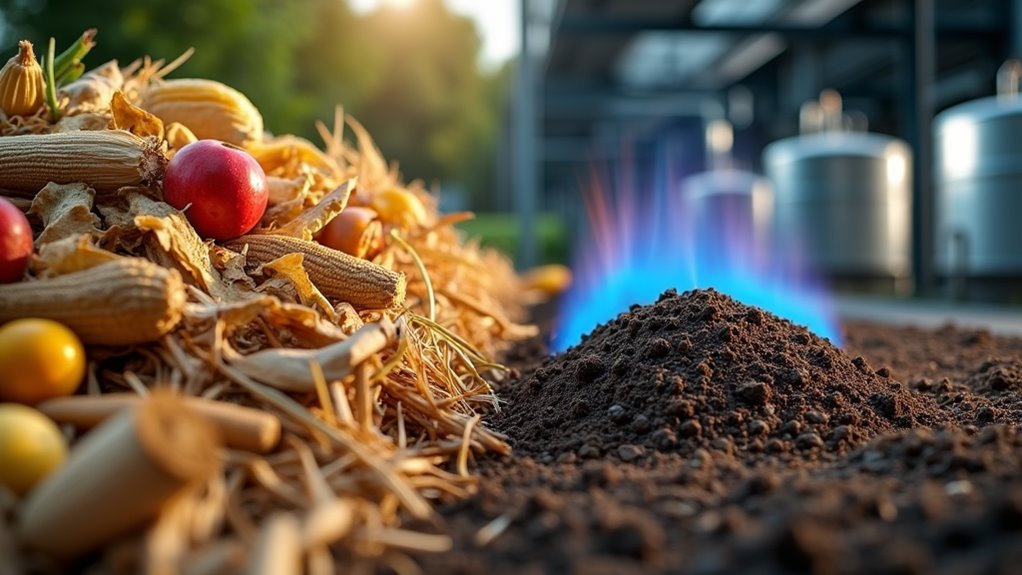
Agricultural waste management represents one of the most critical challenges facing modern farming operations, encompassing the complex handling of countless tons of unwanted materials generated through crop production, livestock operations, and food processing activities. These materials, ranging from crop residues and animal manure to processing byproducts, pose significant environmental risks if not properly managed, yet they also present remarkable opportunities for sustainable resource utilization.
The agricultural sector generates diverse types of waste that require specialized handling approaches. Crop residues like discarded grape vines and fruit tree prunings, along with animal waste including manure and bedding materials, constitute the bulk of agricultural byproducts. Food processing operations contribute additional waste streams through fruit and vegetable solids and silage leachate, while agrochemical containers and expired fertilizers demand careful disposal protocols. Inorganic waste from pesticides and synthetic fertilizers poses a particular threat to soil and water quality. Some agricultural waste can be converted into energy through waste-to-energy technologies, offering an innovative solution to reduce waste while generating power.
Farm waste spans from vineyard trimmings to livestock bedding, requiring targeted solutions for each unique agricultural byproduct stream.
Environmental concerns associated with agricultural waste are substantial but manageable through proper intervention. Nutrient runoff can contaminate water sources, while improper storage may lead to greenhouse gas emissions. However, innovative management strategies are transforming these challenges into opportunities. Through carefully planned collection, transfer, and storage systems, farms are increasingly able to control and redirect these waste streams toward beneficial uses. Regenerative agriculture practices can also contribute to this transformation by restoring soil health and increasing sustainability. Implementing eco-friendly fertilizer alternatives such as organic composts and biochar can further enhance soil fertility while minimizing environmental impact. Additionally, employing water-efficient techniques such as drip irrigation and rainwater harvesting can reduce water usage and further promote sustainable farming.
Modern agricultural waste management has evolved beyond simple disposal to embrace resource recovery and circular economy principles. Land application of processed waste serves as a valuable fertilizer and soil amendment, while composting operations convert organic matter into nutrient-rich supplements. Anaerobic digestion technology has emerged as a particularly promising solution, generating biogas for energy production while reducing waste volume and environmental impact.
The regulatory landscape governing agricultural waste management continues to evolve, with the Clean Water Act and state-specific regulations providing frameworks for responsible waste handling. Large operations typically must develop extensive nutrient management plans, ensuring waste application aligns with soil needs and environmental protection goals. These requirements, while sometimes challenging to implement, help protect community health and environmental quality. Licensed waste contractors must be employed for handling hazardous agricultural materials.
Success in agricultural waste management relies heavily on implementing best management practices. This includes proper storage facility design, careful timing of waste applications, and regular monitoring of management systems.
Progressive farmers are discovering that thorough waste management not only meets regulatory requirements but also generates economic benefits through reduced fertilizer costs and potential energy production. By viewing agricultural waste as a resource rather than a burden, the industry is gradually shifting toward more sustainable and profitable operational models that benefit both agricultural productivity and environmental stewardship.
Frequently Asked Questions
How Much Does It Cost to Implement Agricultural Waste Management Systems?
Implementing agricultural waste management systems typically costs between $165,000 to $640,000 initially.
Equipment purchases, vehicle acquisition, and site preparation represent the largest upfront expenses.
Annual operational costs range from $50,000 to $100,000, including maintenance, fuel, and labor.
However, cost-saving strategies like composting and recycling can offset expenses by generating revenue through valuable byproducts.
Government grants and tax incentives may also reduce implementation costs.
Can Agricultural Waste Management Reduce Greenhouse Gas Emissions From Farms?
Yes, agricultural waste management greatly reduces greenhouse gas emissions on farms. Proper manure handling can cut methane emissions by up to 80%, while composting and anaerobic digestion convert waste into valuable resources like fertilizer and biogas.
Converting crop residues to biofuels reduces CO2 emissions from fossil fuels. When combined with precision farming techniques and improved livestock management, these practices offer substantial potential for lowering agriculture’s carbon footprint and creating sustainable farming systems.
What Certifications Are Required to Operate Agricultural Waste Management Facilities?
Agricultural waste management facilities require multiple layers of certification.
At the federal level, key permits include NPDES for water discharge, RCRA for hazardous waste, and Clean Air Act compliance. States mandate environmental permits and waste management licenses.
Industry standards like GAP and GLOBALG.A.P. certifications demonstrate best practices.
Specialized certifications such as Zero Waste Facility and Energy Star ratings enhance operational credibility and environmental performance.
Some facilities also pursue organic waste management certification through USDA.
How Long Does It Take to See Returns From Waste-To-Energy Investments?
Return timelines for waste-to-energy investments vary by technology and scale.
Landfill gas capture systems show the fastest payback at 1-3 years, while anaerobic digestion takes 3-7 years for farm-scale operations.
Larger facilities like incineration plants require 7-15 years to recoup investments.
Factors affecting returns include initial costs ($25-64 million for mid-sized plants), operational expenses, energy sales revenue, and tipping fees.
Government incentives can greatly accelerate these timelines.
Which Government Incentives Exist for Agricultural Waste Management Implementation?
Multiple government incentives support agricultural waste management.
The Environmental Quality Incentives Program (EQIP) provides direct financial assistance, while R&D tax credits reward innovative solutions. Farmers can access deductions for equipment investments and benefit from accelerated depreciation.
The USDA’s Composting and Food Waste Reduction program specifically targets local governments, while state-level cost-share programs help implement best practices.
Technical assistance comes through NRCS and AgSTAR programs.


