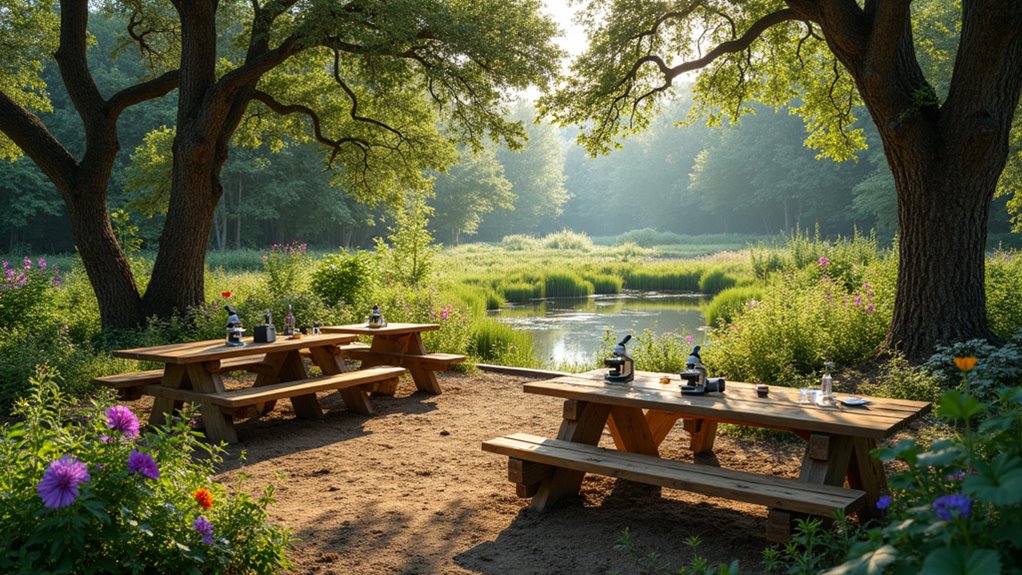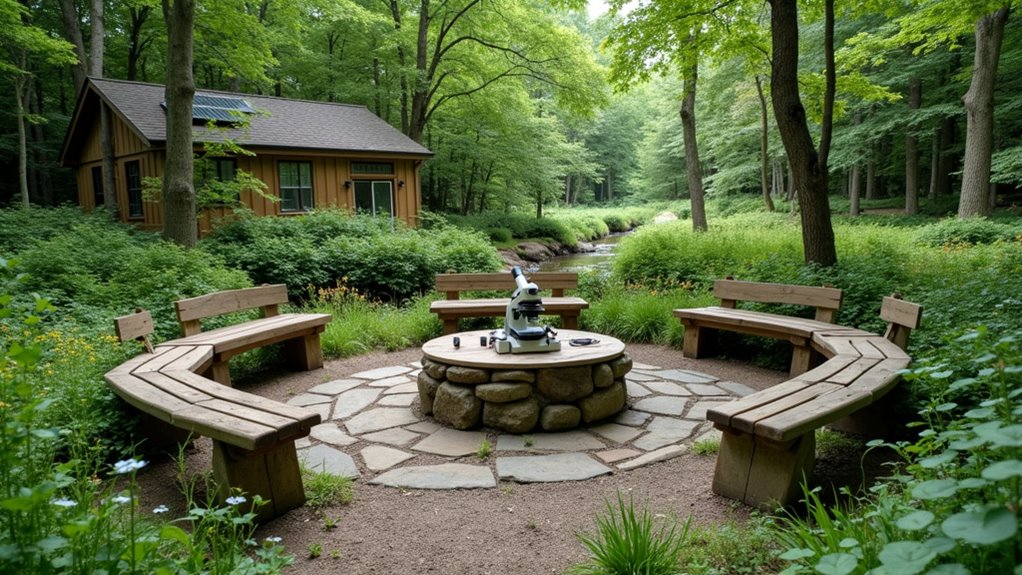

Modern environmental teacher training combines immersive field experiences with practical classroom applications. Programs like the Chesapeake Bay Foundation’s School Leaders initiative equip educators to turn campuses into living laboratories for sustainability education. Teachers gain hands-on ecosystem knowledge, networking opportunities, and leadership skills to develop school-wide environmental initiatives. This collaborative approach transforms schools into centers of ecological literacy while preparing students to tackle real-world challenges. The journey toward environmental leadership starts with innovative educator development.
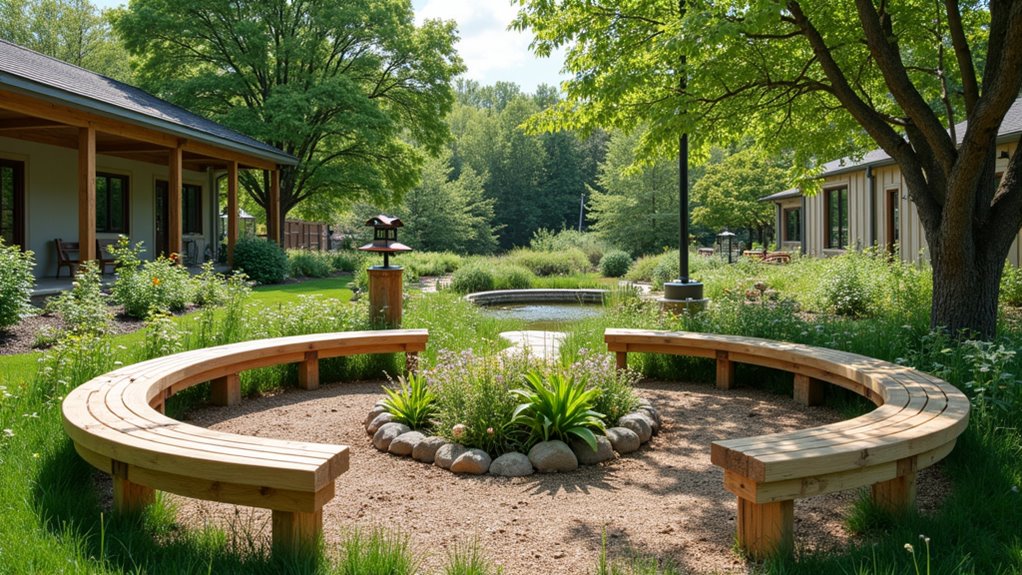
As educational systems worldwide adapt to meet urgent environmental challenges, innovative teacher training programs are emerging to equip educators with the skills needed for environmental leadership. Programs like the School Leaders Environmental Leadership Program by the Chesapeake Bay Foundation are pioneering immersive approaches that combine field experiences with practical environmental education training, enabling teachers to become effective advocates for sustainability in their schools and communities.
These extensive training initiatives focus on hands-on exploration of local ecosystems, allowing educators to directly experience the environmental challenges they’ll later teach about. Through island education centers and residential experiences, teachers gain firsthand knowledge of ecological systems while developing the communications skills necessary to effectively convey environmental concepts to their students. Continuing education credit is available to participants who complete the comprehensive training programs.
The programs emphasize networking and collaboration, creating a community of education leaders who can share resources and best practices. Environmental education is critical in shaping informed citizens who can address climate and ecological challenges. Much like the iSEE program’s two-day intensive training, these programs provide concentrated learning experiences that cover essential sustainability concepts. The impact of these training programs extends far beyond individual classrooms. Teachers who complete environmental leadership training are better equipped to develop school-wide sustainability initiatives and integrate environmental education across multiple subjects.
They learn to utilize their school campus as a living laboratory for environmental teaching and create meaningful connections between academic content and real-world environmental challenges. This approach has shown remarkable success in boosting student engagement and academic achievement while fostering critical 21st-century skills. Additionally, the integration of renewable energy education into these programs highlights practical steps educators can take to address climate change. Renewable energy deployment has been a significant focus, with solar and wind power dominating new power additions globally, which teachers learn to incorporate into their curriculum.
Environmental leadership training also emphasizes the importance of community engagement and local action. Educators learn to mobilize social resources and implement practical environmental initiatives that involve both students and the broader community. This collaborative approach helps schools identify and address local environmental challenges while building lasting partnerships with community organizations and environmental experts.
The programs are designed to create a critical mass of teacher leaders in climate education, ultimately leading to systemic change within educational institutions. Participants develop extensive environmental literacy plans that promote equity and sustainability, while learning to craft environmental mission statements that transform school culture.
These initiatives are particularly effective because they combine theoretical knowledge with practical application, allowing teachers to immediately implement what they’ve learned in their classrooms. The success of these training programs is evident in their lasting impact on both educators and students.
Teachers emerge with enhanced leadership capabilities and a deeper understanding of environmental issues, while their students benefit from more engaging, relevant, and action-oriented learning experiences. Through this approach, schools are becoming centers of environmental literacy and sustainability leadership, preparing the next generation to tackle complex environmental challenges with knowledge, creativity, and resilience.
Frequently Asked Questions
How Much Does Environmental Leadership Teacher Training Typically Cost?
Environmental leadership training costs typically range from $500-$3000 for intensive multi-day programs.
Shorter workshops or online courses run $100-$500.
Certificate programs average around $900.
Free options exist through grants and scholarships.
Costs vary based on program length, format (online vs in-person), credentials offered, and whether materials and lodging are included.
Some programs offer early registration discounts, and tax deductions may apply for work-related training.
Can Teachers Get Certification Credits for Environmental Leadership Programs?
Yes, teachers can earn certification credits through environmental leadership programs.
The programs typically count toward the required 150 hours of professional development for certificate renewal. One semester credit equals 25 professional learning hours.
Many state-accredited environmental education programs are recognized for recertification through State Continuing Education Clock Hours (SCECHs).
Additionally, credits from environmental leadership courses often apply toward advanced degrees or specialized certifications.
What Percentage of Trained Teachers Successfully Implement Environmental Programs?
Research indicates that 83% of teachers who receive environmental education training successfully implement these programs in their classrooms.
However, implementation quality varies markedly. While three-quarters of science teachers cover climate topics, about 40% teach it inaccurately.
Success rates improve when teachers receive proper training and support. Key factors like adequate instructional time, quality materials, and cross-subject integration play essential roles in effective implementation.
Are There Online Options Available for Environmental Leadership Teacher Training?
Yes, multiple accredited institutions offer extensive online environmental leadership training for teachers.
Programs like ASU’s graduate certificate and SUNY ESF’s advanced certificate provide flexible, virtual learning options. These programs typically take 9-12 months to complete and cover environmental literacy, program implementation, and assessment skills.
Many align with NAAEE standards and offer the same credibility as on-campus programs, making them ideal for working professionals seeking environmental education credentials.
How Long Does It Take to Complete Environmental Leadership Training?
Environmental leadership training duration varies based on the chosen program format.
Certificate programs typically take 9-12 months, while master’s degrees require 1-2 years of full-time study.
Accelerated options include intensive summer programs lasting 1-3 months and online courses completed in 4-8 weeks.
Professional development workshops run 1-5 days.
Flexible scheduling through part-time enrollment and online learning allows participants to balance training with other commitments.