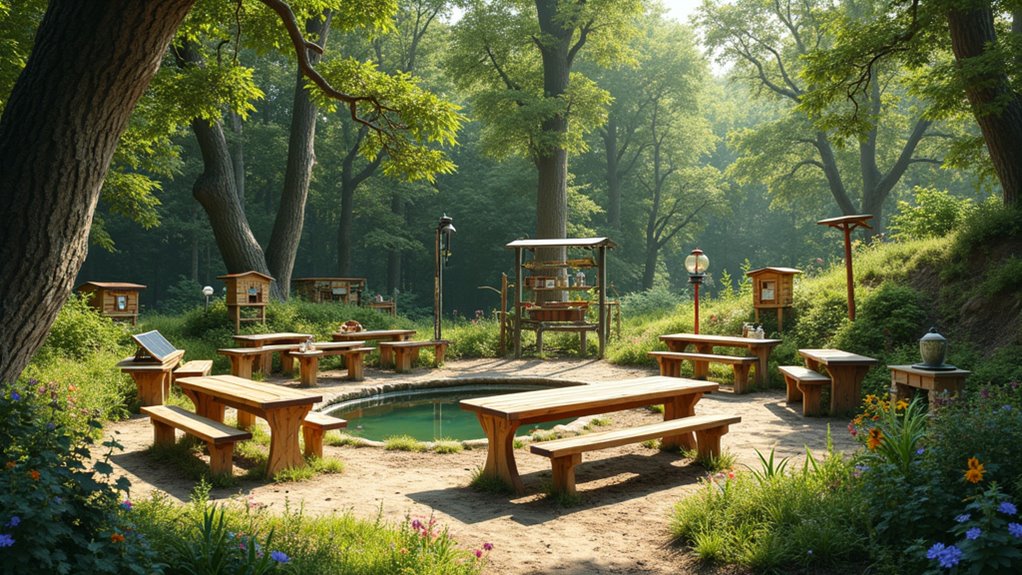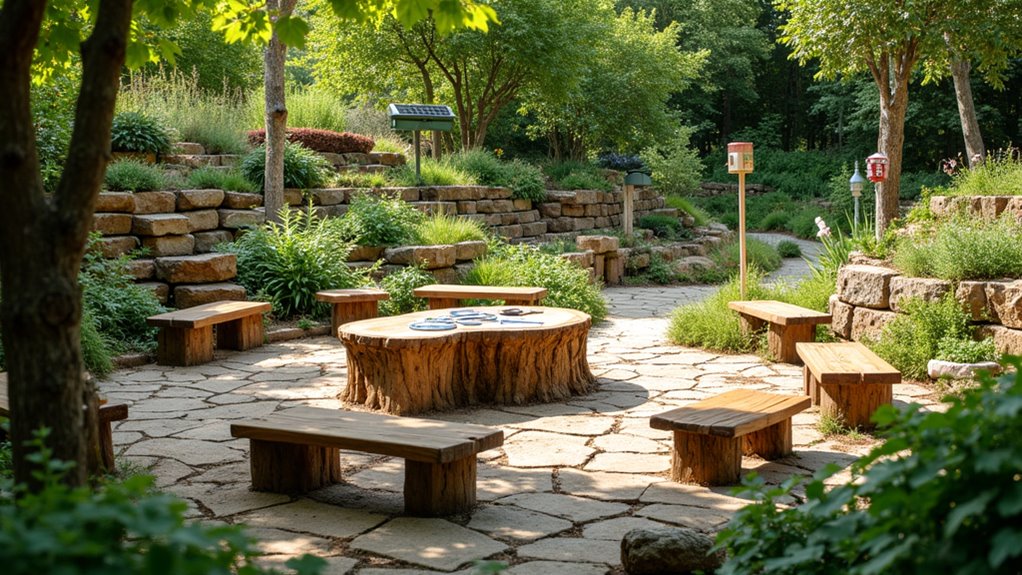

Environmental literacy frameworks provide structured roadmaps for developing eco-conscious citizens through thorough education. These frameworks, established by the National Association of Environmental Education, integrate systems thinking, career pathways, and hands-on experiences across PreK-12 curricula. Regional adaptations in places like Maryland and DC align with science standards while emphasizing practical applications. The interdisciplinary approach combines knowledge acquisition with civic engagement, preparing students to tackle real environmental challenges. Understanding these frameworks reveals the potential for meaningful environmental action.
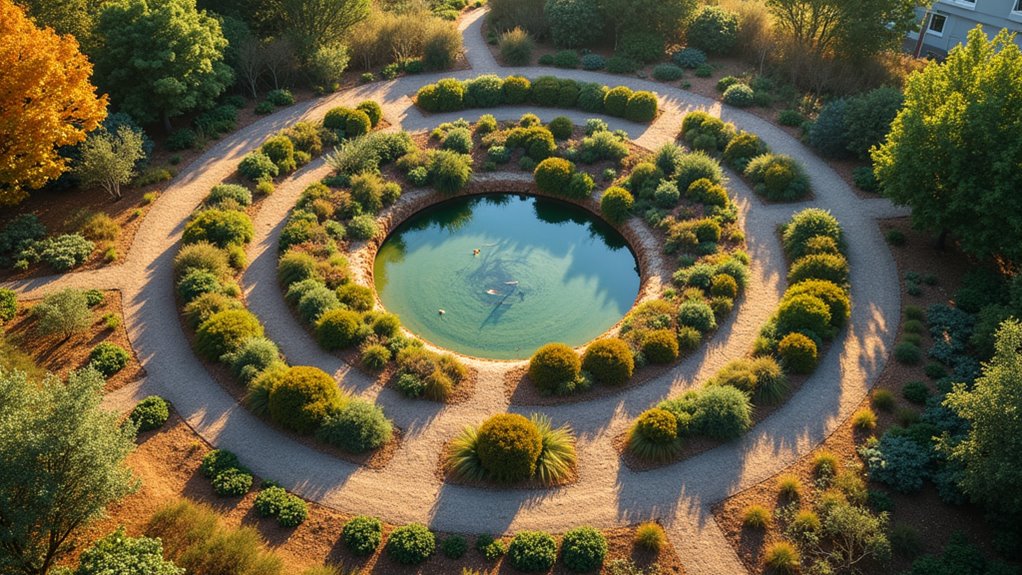
Environmental literacy frameworks serve as essential roadmaps for developing environmentally conscious and capable citizens in today’s rapidly changing world. These thorough frameworks guide educators and institutions in fostering environmental understanding, skills, and responsible behaviors among students. The National Association of Environmental Education (NAAEE) established a foundational framework in 2011, focusing on evaluating 15-year-old students‘ environmental literacy through knowledge, skills, dispositions, and behaviors. A crucial aspect of these frameworks is their alignment with sustainable teacher training programs, which empower educators to effectively integrate environmental education into their teaching practices.
Several regions have adapted and enhanced these frameworks to meet their specific needs. The District of Columbia’s Environmental Literacy Framework aligns with Next Generation Science Standards, providing grade-specific sustainability initiatives and environmental contexts for learning across the PreK-12 curriculum. Similarly, Maryland’s recently released Environmental Literacy Standards Framework incorporates five core standards organized by grade bands, creating a multi-disciplinary approach that integrates with existing science and social studies standards. Innovative Global Programs for Environmental Education showcase how different regions are pioneering new methods to enhance environmental literacy and awareness. Environmental education is crucial in empowering citizens to actively tackle climate and ecological challenges by equipping them with the necessary knowledge and skills.
The concept of ecological literacy adds another dimension, emphasizing systems thinking and the recognition of patterns and relationships in nature. This approach prioritizes direct experiences in the natural world, fostering a deeper ecological consciousness and connection to environmental systems. It’s particularly effective in helping students understand the complex interdependencies that exist in ecosystems and human-environment interactions. Measuring Education’s Impact on environmental awareness is crucial for assessing how well these frameworks are working and ensuring they are effectively fostering environmental knowledge and behavior change.
Career and Technical Education (CTE) has also embraced environmental literacy through specialized frameworks. Delaware’s Department of Education developed competencies that connect environmental literacy to career pathways, enabling students to analyze environmental impacts within specific industries and propose meaningful conservation policies. This practical application helps bridge the gap between environmental knowledge and real-world solutions.
These frameworks share common elements that make them effective tools for environmental education. They all take an interdisciplinary approach, combining multiple subject areas to provide a thorough understanding of environmental issues. The frameworks emphasize both knowledge acquisition and practical application, guaranteeing students can translate their learning into meaningful action. They also incorporate civic engagement and decision-making skills, preparing students to participate in environmental problem-solving at local and global levels.
The progressive nature of these frameworks allows for the development of environmental literacy skills from elementary through high school. Students begin with basic environmental concepts and gradually build toward more complex understanding and application. This systematic approach guarantees that learners develop the necessary competencies to address environmental challenges effectively.
Through these structured frameworks, educators can guide students toward becoming environmentally literate citizens capable of making informed decisions and taking responsible actions for a sustainable future.
Frequently Asked Questions
How Can Schools Measure Student Progress in Environmental Literacy Programs?
Schools can track environmental literacy through multiple assessment tools. Standardized tests like ELIT and MSELS measure core knowledge, while surveys capture student attitudes and engagement.
Long-term evaluation includes behavior change tracking and career choices. Non-test measures like classroom observations and interviews provide qualitative insights.
Programs like Maryland Green Schools demonstrate success through improved academic performance across subjects, proving environmental education’s broader impact.
What Funding Sources Are Available for Implementing Environmental Literacy Frameworks?
Multiple funding streams support environmental literacy implementation.
Federal sources include NOAA Environmental Literacy Grants, EPA Environmental Education Grants, and NSF funding opportunities.
State and local agencies provide targeted grants, while private foundations like Toyota and Walmart offer corporate support.
Schools can integrate costs into existing budgets through creative approaches like service learning grants, teacher mini-grants, and business partnerships.
Public-private partnerships effectively leverage combined resources for maximum impact.
How Do Cultural Differences Impact Environmental Literacy Teaching Approaches?
Cultural differences greatly shape how environmental literacy is taught and received. Indigenous knowledge emphasizes harmony with nature, while Western approaches often focus on scientific analysis.
Language barriers and varying cultural values around conservation require adapting teaching methods. Successful programs incorporate local perspectives, use culturally relevant examples, and employ multilingual instruction.
Place-based education grounds learning in community context, while traditional ecological knowledge enriches scientific understanding.
Can Environmental Literacy Frameworks Be Adapted for Special Education Students?
Environmental literacy frameworks can be effectively adapted for special education students through thoughtful modifications.
Research shows that nature-based, hands-on learning particularly benefits students with diverse learning needs, improving attention spans and social skills.
Successful adaptations include multi-sensory approaches, differentiated instruction, and flexible assessment methods.
While implementation requires careful planning and additional resources, the benefits of connecting special education students with environmental learning are well-documented through improved engagement and comprehension.
What Role Do Technology and Digital Tools Play in Environmental Literacy?
Technology and digital tools play a transformative role in environmental literacy by providing interactive, engaging ways to learn about sustainability.
Virtual reality simulations let students explore ecosystems firsthand, while mobile apps enable citizen science participation and data collection.
Digital mapping tools visualize environmental changes, and online platforms facilitate global collaboration.
These tools make environmental education more accessible and personalized, though balancing screen time with outdoor experiences remains essential.