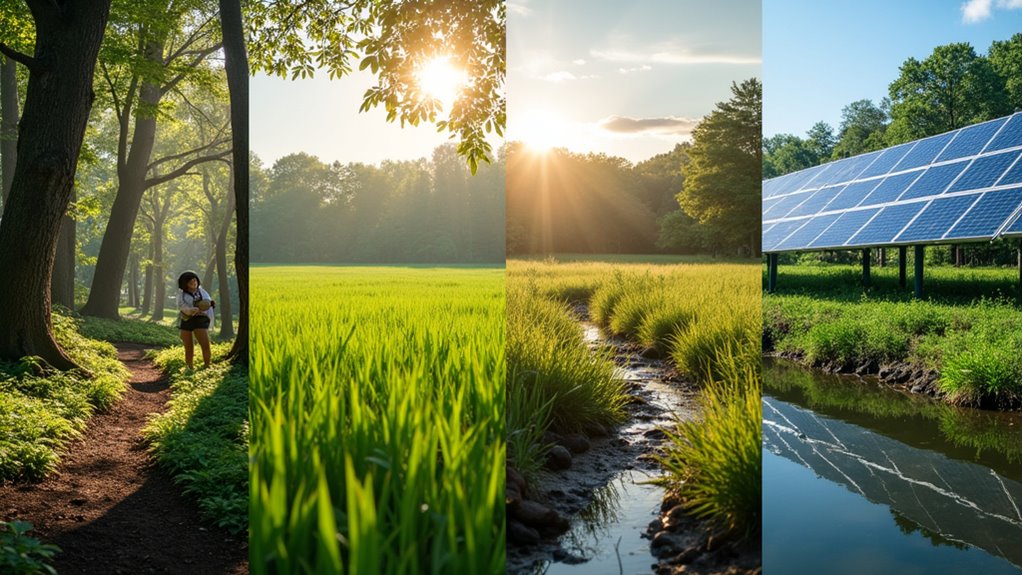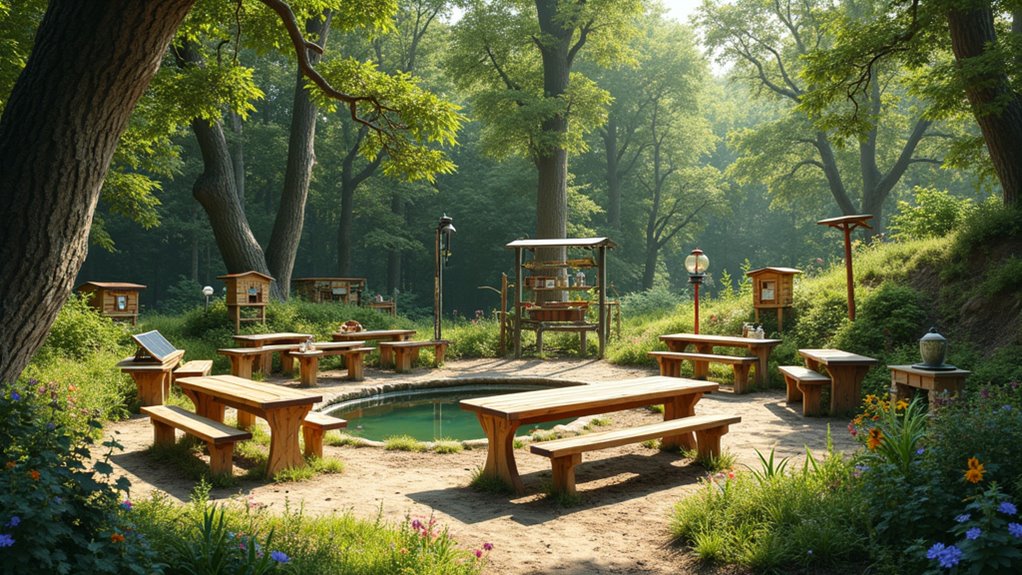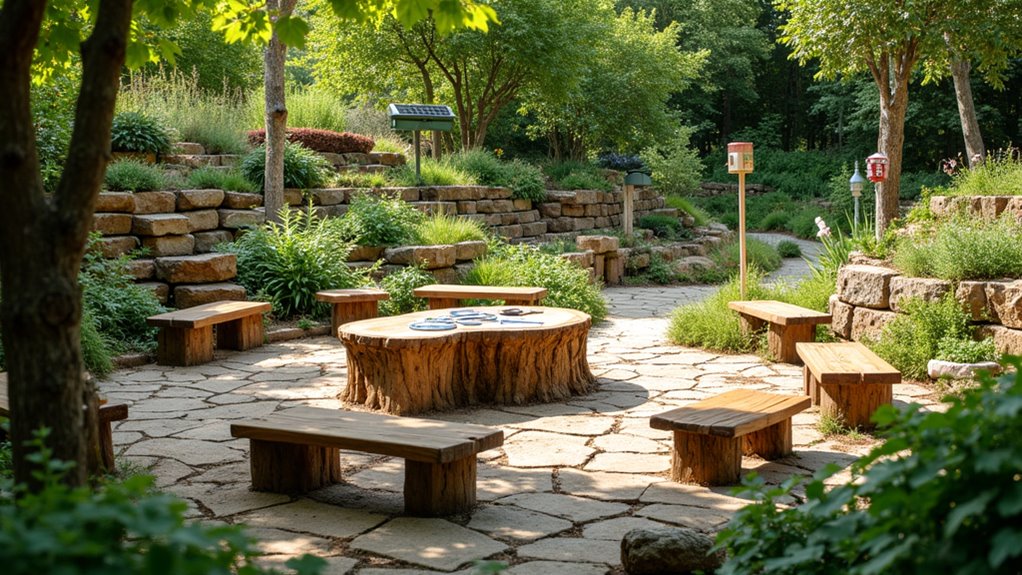
Modern digital tools are transforming environmental education through immersive experiences and real-world engagement. Virtual reality platforms like Google Expeditions transport students to endangered ecosystems, while citizen science apps such as iNaturalist and Litterati enable hands-on participation in biodiversity tracking. AI-powered platforms including Microsoft’s AI for Earth analyze vital environmental data, and online courses through Coursera and edX democratize sustainability education globally. These innovations make complex ecological concepts more digestible and actionable for learners enthusiastic to explore environmental solutions.
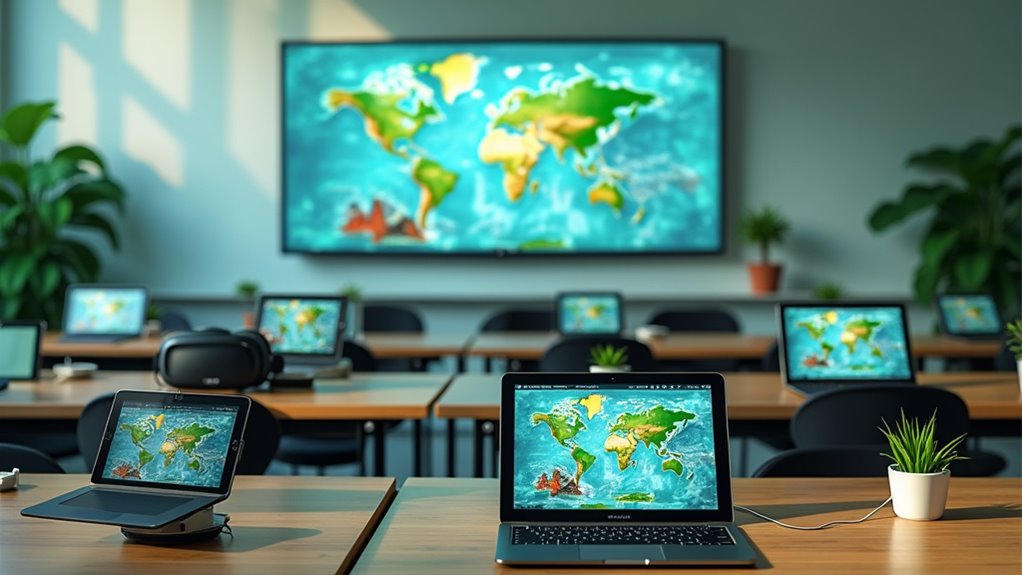
The digital revolution has transformed environmental education, equipping students and educators with powerful tools to understand and address pressing ecological challenges. Virtual and augmented reality technologies now allow learners to witness environmental changes firsthand through immersive experiences, with programs like Google Expeditions taking students on virtual field trips to endangered ecosystems and melting glaciers. At the University of British Columbia, VR courses have demonstrated remarkable success, increasing environmental concern among participants by 30%. Environmental education plays a vital role in shaping informed citizens who can tackle climate and ecological challenges. Incorporating citizen science projects in education empowers students to engage with real-world research, enhancing their understanding of environmental issues. The hands-on approach implemented through interactive workshops ensures maximum engagement and retention of environmental concepts. Outdoor learning programs have proven effective in fostering ecological awareness, as they connect students with nature and provide direct experience with the environment.
Interactive apps and gamification have made environmental learning more engaging and accessible. The EcoChallenge 2.0 app enables users to scan products and instantly learn about their carbon footprints, while the WWF Together app transforms eco-friendly practices into compelling games. Data privacy concerns must be carefully addressed when implementing these educational tools. These tools motivate students through rewards and challenges, making complex environmental concepts more digestible and actionable.
Artificial intelligence and big data have revolutionized environmental monitoring and education. The SmartCourse AI platform delivers personalized content based on individual learning patterns, while NASA’s GLOBE Observer enables students to contribute meaningful data to environmental research. Microsoft’s AI for Earth initiative analyses critical environmental metrics, including deforestation rates and water consumption patterns, helping students understand these issues through real-time data. Youth-led initiatives have also empowered students to take active roles in climate action, enhancing their sense of responsibility and impact.
Online learning platforms have democratized access to environmental education. Through Coursera, edX, and Earth School, students worldwide can access high-quality sustainability courses from leading universities, often at little or no cost. These platforms have been particularly transformative in rural and developing areas, where traditional environmental education resources may be limited.
Citizen science platforms have emerged as powerful tools for engaging students in real-world environmental research. Apps like iNaturalist and Litterati enable students to contribute to biodiversity studies and plastic pollution tracking, fostering a sense of global community and environmental stewardship. Meanwhile, smart farming technologies like FarmBeats are introducing students to sustainable agriculture through IoT sensors and real-time data analysis.
Digital collaboration tools have enhanced environmental project-based learning. The Seesaw platform allows students to create digital portfolios of their environmental projects, while apps like Goosechase facilitate engaging environmental scavenger hunts. The From Seed to Spoon app helps students research plant growth, and platforms like Pixton enable creative environmental storytelling through digital comics.
These digital tools collectively represent a paradigm shift in environmental education, making it more interactive, accessible, and impactful than ever before.
Frequently Asked Questions
How Much Do Environmental Learning Apps Typically Cost?
Environmental learning apps vary widely in price, with many quality options available for free or under $5.
Free apps like iNaturalist and Earth Rangers offer robust features for nature exploration and species identification.
Mid-tier options typically range from $3.99 to $15.99, while premium educational apps, especially those targeting AP Environmental Science students, can cost $69.99-$99.99 annually.
Most apps follow a freemium model, offering basic features free with optional paid upgrades.
Can These Digital Tools Work Offline in Remote Field Locations?
Yes, many modern environmental learning tools are specifically designed for offline use in remote locations.
Apps like iNaturalist and Chimani allow species identification and data collection without internet connectivity.
Solar-powered devices such as SolarSPELL provide offline educational content, while portable servers create local networks for sharing resources.
Field researchers can gather environmental data using offline-capable apps like Wildnote and Ecobot, later syncing information when internet becomes available.
Which Age Groups Benefit Most From Environmental Learning Technology?
Research indicates that middle school students (ages 13-15) gain the most significant benefits from environmental learning technology.
At this developmental stage, they possess both the digital literacy to utilize advanced tools and the cognitive capacity to grasp complex environmental concepts.
The combination of gamification, collaborative platforms, and data visualization particularly resonates with this age group, driving higher engagement levels and deeper understanding of ecological systems.
Are Environmental Learning Tools Compatible With Both Ios and Android?
Environmental learning tools demonstrate strong cross-platform compatibility, with most major applications available on both iOS and Android operating systems.
Popular apps like iNaturalist, Decibel X, and Google Expeditions work seamlessly across different mobile platforms. This broad compatibility guarantees wider accessibility for students and educators.
Development frameworks like React Native and Unity enable developers to create consistent experiences across devices, though some challenges remain in optimizing UI/UX for different screen sizes and OS versions.
How Often Are Environmental Learning Databases and Content Updated?
Environmental databases maintain varying update schedules to guarantee data accuracy and relevance.
Major platforms like Ecoinvent refresh annually with technical improvements, while GHG Protocol databases update regularly throughout the year.
Some sources, like ECHO, receive weekly refreshes from EPA databases, while others like EJI update every two years.
Update frequencies depend on factors such as data availability, quality requirements, and the complexity of integrating information from multiple sources.