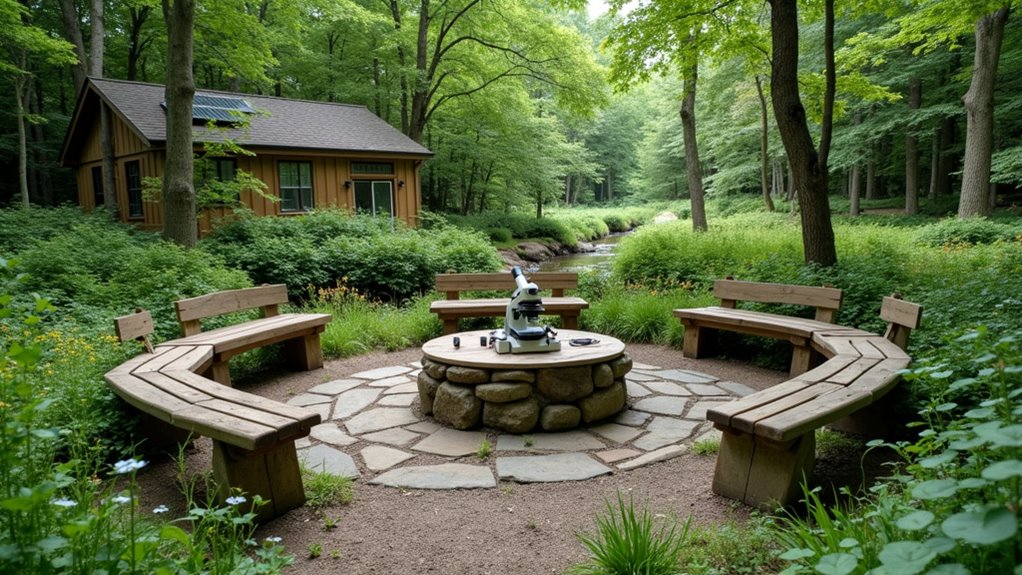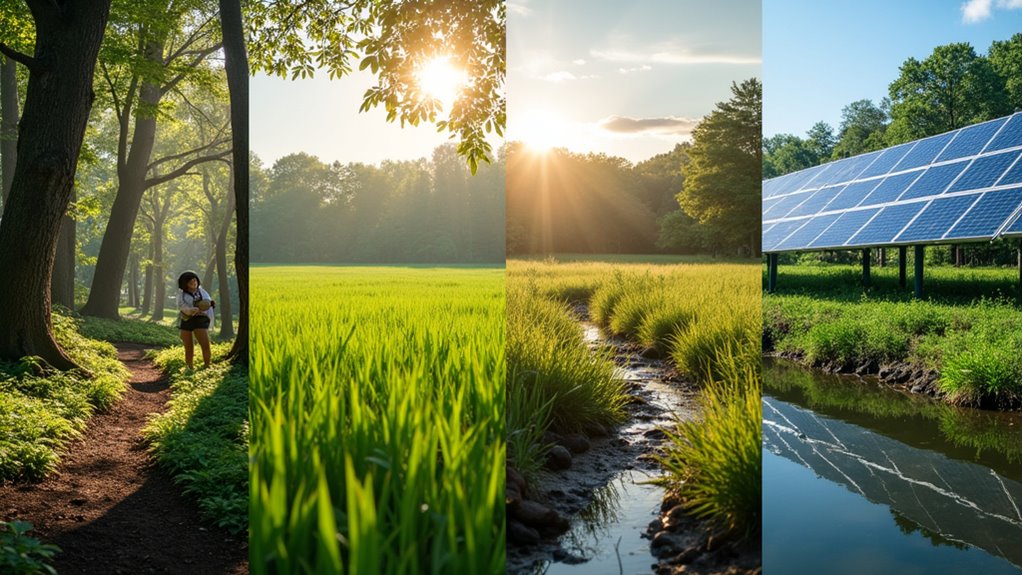

Environmental careers combine purpose with professional advancement, offering diverse pathways in science, policy, and sustainability. Entry-level positions start at $78,980 annually, with projected growth reaching 38 million renewable energy jobs by 2030. Students gain critical experience through paid internships like EPA’s Pathways Program, while consulting and green technology sectors create innovative opportunities. From field research to advocacy roles, the environmental sector rewards those seeking meaningful impact through scientific expertise and practical solutions.

The environmental sector stands as one of today’s most dynamic and rapidly expanding career fields, offering students a compelling intersection of purpose and professional growth. Environmental Science and Studies majors gain extensive knowledge spanning both natural and social sciences, developing critical thinking abilities that prove invaluable in addressing complex ecological challenges. This interdisciplinary approach, combined with hands-on fieldwork opportunities, creates versatile graduates ready to tackle diverse environmental issues. Sustainable forest management has become a crucial focus area within environmental careers, particularly in ecosystem conservation and resource planning. Innovative global programs for environmental education are leading the way in innovation, equity, and impact, providing students with diverse opportunities to engage with cutting-edge practices and solutions.
For students pursuing environmental careers, internships and practical experience serve as vital stepping stones. Organizations like the EPA’s Pathways Program and the National Science Foundation‘s Research Experiences for Undergraduates provide paid opportunities for aspiring environmental professionals. These experiences not only build essential skills but also establish valuable industry connections that often lead to full-time positions. Paid summer internships offer students valuable exploration of environmental careers while building their professional resumes.
The job market for environmental professionals continues to expand, with environmental scientists and specialists earning a median salary of $78,980 annually as of 2023. Entry-level positions span various sectors, including consulting firms, government agencies, and non-profit organizations. Roles such as environmental technician, field researcher, and sustainability coordinator offer graduates multiple pathways to begin their careers while making meaningful contributions to environmental protection. Among the growing sectors, renewable energy jobs are projected to reach 38 million by 2030, offering both employment opportunities and substantial economic growth. The growth of renewable energy not only creates jobs but also helps reduce dependence on volatile fossil fuel markets. Government policies can play a pivotal role in promoting eco-friendly farming by offering incentives and support for sustainable practices.
Environmental education and advocacy represent significant career paths, allowing professionals to shape public understanding and policy. These roles combine scientific expertise with communication skills, whether working in nature centers, developing educational programs, or influencing environmental policy decisions. Many professionals find fulfillment in positions that allow them to educate communities and influence positive environmental change.
Environmental educators bridge the gap between scientific knowledge and public action, empowering communities to make informed decisions about our planet’s future.
The rapidly evolving green technology sector presents exciting opportunities for those interested in combining environmental science with innovation. Solar and wind energy industries continue to grow, creating positions that merge environmental expertise with engineering and technological skills. These roles often offer competitive salaries while contributing directly to climate change solutions.
Environmental consulting has emerged as a particularly robust career path, with consultants helping organizations navigate complex environmental regulations and implement sustainable practices. These positions require strong analytical abilities and often involve project management, offering professionals the chance to work on diverse environmental challenges while developing business acumen.
As environmental challenges become increasingly urgent, the demand for qualified professionals continues to grow across all sectors. Students entering the field can expect to find opportunities that align with their interests, whether in scientific research, policy development, education, or technological innovation.
The environmental sector not only offers stable career prospects but also the satisfaction of contributing to solutions for some of society’s most pressing challenges. Success in these careers often comes from combining technical expertise with practical experience and a commitment to continuous learning in this rapidly evolving field.
Frequently Asked Questions
How Much Field Work Is Typically Required in Environmental Careers?
Field work requirements vary considerably across environmental careers.
Environmental Field Technicians spend 70-80% of their time in the field, while Wildlife Biologists typically dedicate 50-60% to outdoor research and monitoring.
Environmental Scientists split their time more evenly, with roughly 40% field work.
Environmental Consultants generally spend the least time in the field, averaging 20-30% on site visits and assessments, with most work occurring in offices or labs.
Which Environmental Certifications Are Most Valued by Employers?
Employers consistently value several key environmental certifications above others.
The Registered Environmental Manager (REM) and LEED certifications are highly sought-after credentials that demonstrate advanced expertise.
ISO 14001 certification is particularly valued in corporate settings, while the Certified Environmental Professional (CEP) carries significant weight across sectors.
The Sustainability Excellence Professional (SEP) certification is gaining importance as companies increasingly prioritize sustainability initiatives and environmental compliance.
Can I Work Internationally With an Environmental Science Degree?
An environmental science degree opens numerous international career paths. Graduates can work with global consulting firms, NGOs, the United Nations, and multinational corporations worldwide.
Key opportunities include climate change analysis, conservation science, and sustainable development. Success requires foreign language skills, cross-cultural communication abilities, and adaptability.
While visa requirements and competition present challenges, the field offers exciting prospects for those willing to work abroad.
What Programming Languages Are Most Useful for Environmental Data Analysis?
Python and R stand out as the most valuable programming languages for environmental data analysis.
Python excels with its extensive libraries for data manipulation and visualization, while R offers robust statistical analysis capabilities.
SQL is essential for managing environmental databases. Together, these three languages form a powerful toolkit for handling environmental datasets, creating visualizations, and conducting sophisticated analyses.
Additional languages like Julia and JavaScript provide specialized capabilities for specific applications.
Are There Opportunities to Combine Environmental Work With Social Justice Initiatives?
Many organizations actively combine environmental and social justice work through dedicated initiatives.
Environmental justice careers span multiple sectors – from nonprofits like Earthjustice advocating for communities affected by pollution, to government agencies developing equitable climate policies.
Opportunities exist in community organizing, policy analysis, legal advocacy, and research roles.
Urban planning departments increasingly focus on sustainable development that prioritizes underserved neighborhoods, while grassroots groups need staff to run local environmental campaigns.