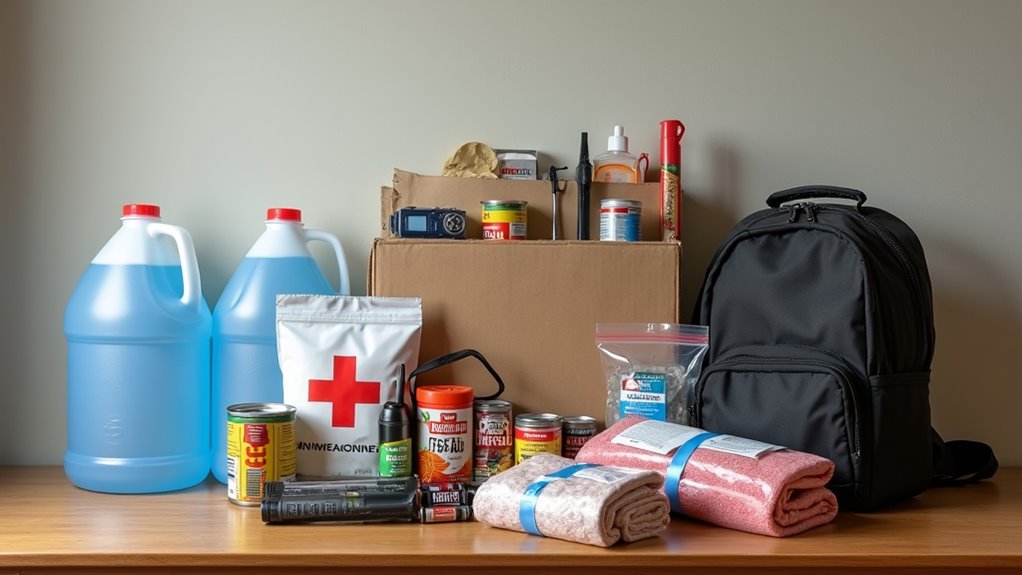
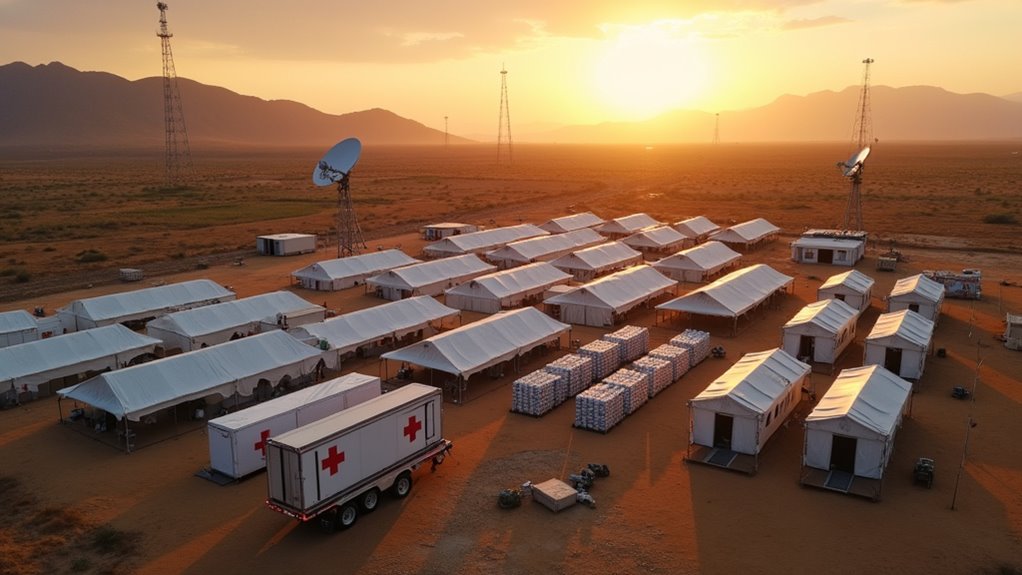
Effective hurricane preparation combines essential stockpiling with strategic planning. Key steps include maintaining a 3-14 day supply of water (1 gallon per person daily), non-perishable food, and emergency supplies like flashlights and first-aid kits. Property protection requires storm shutters or pre-cut plywood, while evacuation plans should identify multiple escape routes and meeting points. Regular monitoring of weather updates through NOAA radio and local news keeps families ahead of danger. Proper preparation transforms overwhelming storms into manageable challenges.
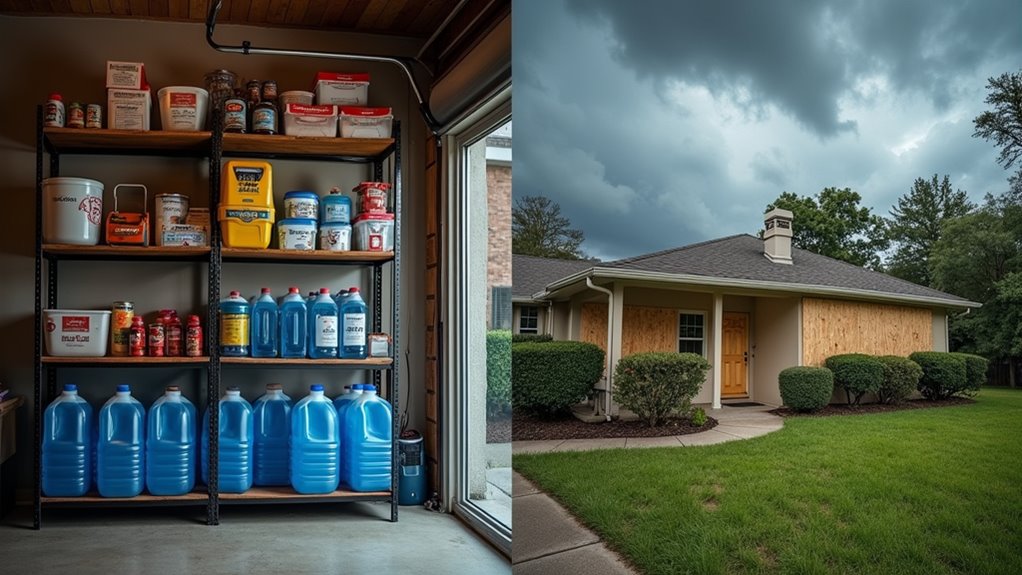
While hurricanes can release devastating forces of nature, proper preparation helps communities weather these powerful storms and emerge resilient. Having a thorough plan and emergency supplies ready well before a storm approaches can make the significant difference in protecting lives and property during severe weather events. Water conservation plays a crucial role in ensuring that communities have enough resources to withstand the impact of hurricanes, as water scarcity can exacerbate the challenges faced during and after such events.
The foundation of hurricane preparedness starts with assembling an emergency supply kit. Each household should store at least one gallon of water per person per day, with enough supplies to last between three to fourteen days. Non-perishable food, battery-powered radios, flashlights, and first aid supplies form the core of these essential preparations. Important documents should be kept in waterproof containers, ready to grab at a moment’s notice. Consider keeping a small solar panel to maintain power bank charge during extended outages. Disaster preparedness education empowers communities by raising awareness about the importance of having these supplies ready. Intense rainfall events during hurricanes can increase pollutants in waterways, impacting water quality and public health. Extreme heat events can also occur in the aftermath of hurricanes, exacerbating health risks for vulnerable populations.
Emergency preparedness begins with a well-stocked supply kit containing water, food, basic supplies, and protected documents for quick evacuation.
Establishing clear evacuation procedures is equally important. Families must identify multiple evacuation routes, designate emergency meeting points, and choose an out-of-area contact person who can relay messages between separated family members. Vehicle maintenance becomes particularly important – keeping gas tanks filled and emergency supplies in cars guarantees quick departure when necessary. Pet owners should also prepare specific plans for their animals, including separate emergency kits.
Property protection requires careful attention to structural vulnerabilities. Installing storm shutters or having pre-cut plywood ready for windows provides crucial protection against flying debris. Regular maintenance like trimming trees and clearing gutters helps prevent additional damage during storms. Documenting home contents through photos or video assists with potential insurance claims later.
Staying informed about weather conditions can literally save lives. Modern technology offers multiple ways to track approaching storms, from NOAA Weather Radio to smartphone apps and local news updates. Understanding the difference between a hurricane watch and warning helps people respond appropriately as conditions change. When local authorities issue evacuation orders, immediate compliance is essential.
Power outages present unique challenges during hurricanes. Preparing alternative power sources, including portable chargers and generators, helps maintain essential communication and medical devices. Filling bathtubs and large containers with water ensures access to sanitation supplies when municipal systems fail. Setting refrigerators to their coldest settings before storms helps preserve food longer. Store all nonperishable food items in a cool, dry place to maintain their quality during emergencies.
Special attention must be paid to medical needs and vulnerable population groups. Maintaining adequate supplies of medications, preparing lists of medical conditions and allergies, and planning for power-dependent medical equipment becomes significant. Transportation arrangements for those with mobility issues should be established well in advance.
Effective communication remains essential throughout any severe weather event. Creating paper copies of important contact information provides backup when electronic devices fail. Designated out-of-state contacts can help coordinate between separated family members, while knowledge of workplace and school emergency procedures ensures everyone knows what to expect.
With proper preparation and clear communication channels, communities can face hurricane challenges with confidence and resilience.
Frequently Asked Questions
What’s the Difference Between a Hurricane Watch and a Hurricane Warning?
A hurricane watch signals possible hurricane conditions within 48 hours, giving people time to review plans and gather supplies.
A hurricane warning means hurricane conditions are expected within 36 hours, requiring immediate action.
Think of it like this: a watch means “be prepared,” while a warning means “take action now.”
During a watch, review plans and monitor updates; during a warning, execute those plans and seek shelter.
How Long Can Hurricane-Force Winds Last in One Location?
Hurricane-force winds can affect a single location anywhere from several hours to more than 24 hours.
Typically, peak storm winds last between 1.5 to 4 hours at their highest intensity. The duration varies based on several factors: the storm’s size, its forward speed, and the location’s position relative to the storm center.
Larger, slower-moving hurricanes tend to produce longer-lasting winds, while the strongest winds usually occur in the eyewall region.
Can Hurricanes Occur During Winter Months?
While rare, hurricanes can occur during winter months, though conditions make them far less likely.
Winter storms typically lack the warm ocean temperatures (at least 79°F) needed for hurricane formation. Since 1851, only 92 off-season cyclones have been recorded in the Atlantic basin. Notable examples include Hurricane Alex in January 2016 and Tropical Storm Zeta in December 2005.
May sees the most off-season activity, accounting for 60% of winter storms.
Why Do Some Hurricanes Rapidly Intensify While Others Weaken?
Hurricanes rapidly intensify when perfect conditions align – warm ocean waters above 79°F, low wind shear, and high humidity.
These factors allow the storm to efficiently convert heat energy into wind strength.
However, hurricanes weaken when they encounter hostile conditions like cool waters, strong winds that disrupt their structure, or dry air that chokes off thunderstorm development.
The presence or absence of these key ingredients determines a hurricane’s ultimate intensity.
What Happens to Wild Animals and Marine Life During Hurricanes?
Animals have evolved remarkable survival instincts during hurricanes.
Marine creatures like sharks and dolphins detect pressure changes and swim to deeper, calmer waters.
Land animals respond differently – birds alter migration patterns, while small mammals seek shelter in burrows and trees.
After storms, marine ecosystems face disruption from sediment churning and changed salinity levels, though some species benefit from nutrient-rich water brought to the surface through upwelling.