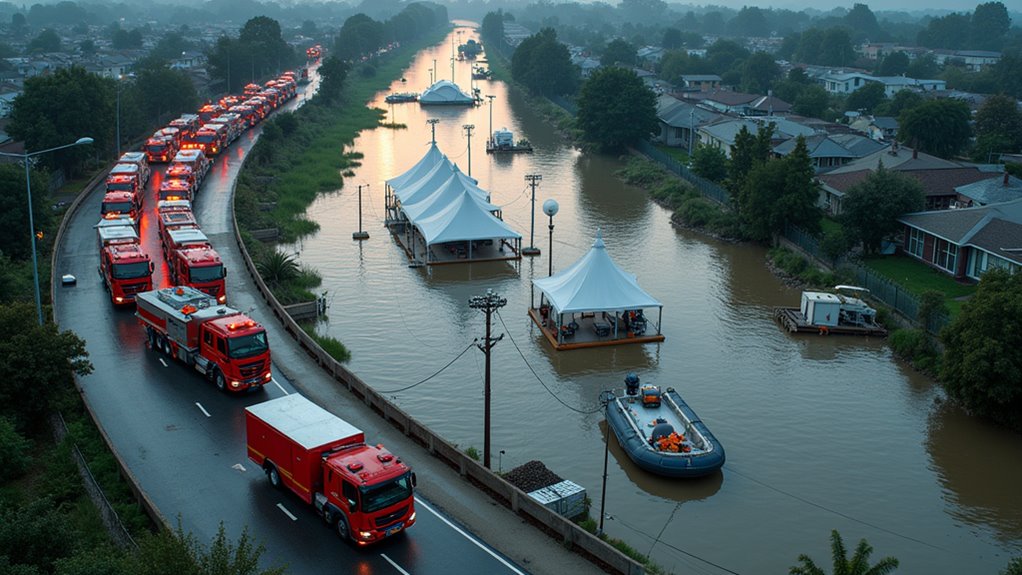
Disaster preparedness education directly saves lives by equipping communities with essential knowledge and skills for emergency response. Research shows that well-designed programs combining hands-on training, simulations, and regular drills greatly reduce vulnerability during crises. School-based initiatives are particularly effective, as children become knowledge conduits to their families. When communities understand risk assessment, evacuation procedures, and basic emergency protocols, they respond more effectively to disasters. The path to resilience begins with proper education and practical preparation.

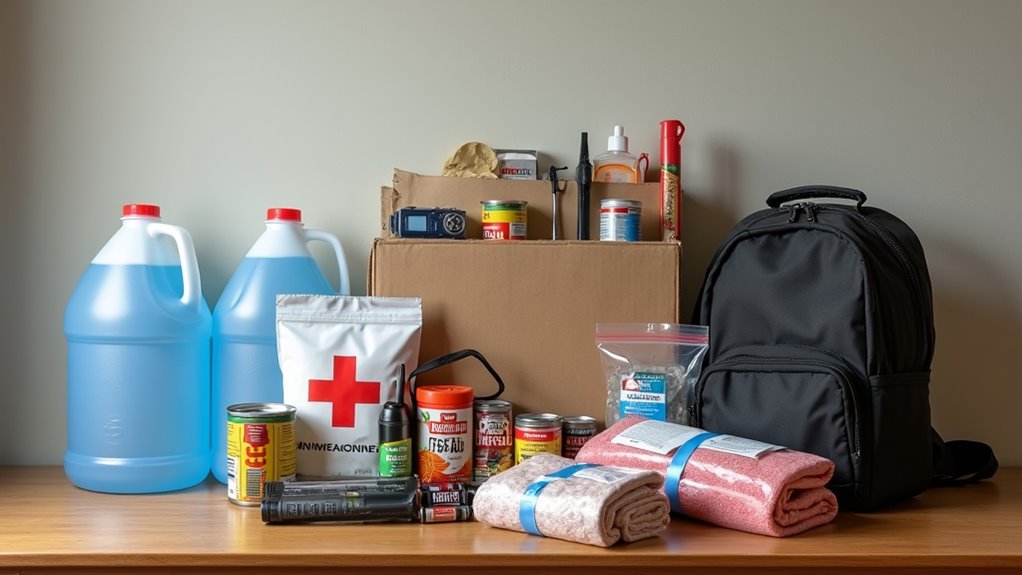
Nearly half of all communities worldwide remain underprepared for natural and man-made disasters, making disaster preparedness education a vital cornerstone of public safety and resilience. Research consistently demonstrates that well-designed educational programs can markedly reduce vulnerability and save lives when disasters strike. These programs provide essential knowledge and skills that help communities respond effectively during emergencies, protecting both individuals and infrastructure. Community-based initiatives that include psychological first aid training have proven especially effective in building overall preparedness. Having essential emergency kits readily accessible in households can further enhance community resilience by ensuring that individuals have the necessary supplies to survive during disasters.
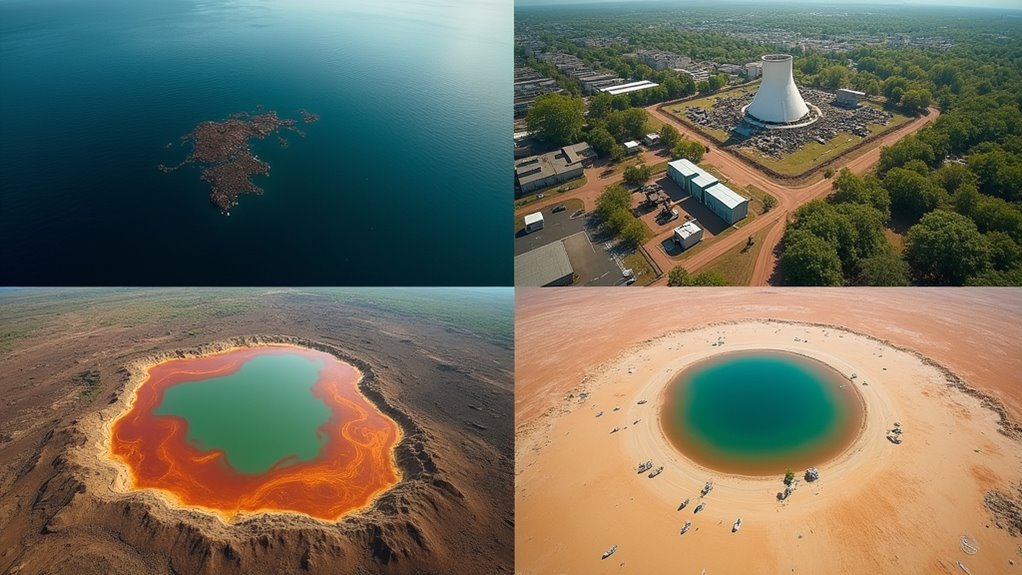
The most effective disaster preparedness education combines multiple teaching methods, with hands-on exercises and face-to-face training proving considerably more impactful than traditional printed materials. Video-based education has shown particular promise, helping participants retain vital information and develop practical skills. When communities engage in regular drills and simulations, they develop muscle memory for emergency procedures that can make the difference between life and death during actual disasters. Studies have shown that empowering educational approaches are more effective than fear-based messaging in preparing communities for disasters. By leveraging local knowledge, communities can tailor their preparedness strategies to their unique circumstances, enhancing overall resilience. Additionally, lessons learned from environmental disasters have provided valuable insights into effective preparedness strategies.
School-age children have emerged as a key target demographic for disaster education, as they often serve as knowledge conduits to their families and broader communities. By integrating disaster preparedness into school curricula, educators can help build a foundation for lifelong resilience. These programs teach students about risk assessment, evacuation procedures, and basic emergency response, while also fostering a culture of preparedness that extends beyond classroom walls.
The impact of disaster education extends beyond mere knowledge acquisition. Studies show that extensive programs improve risk perception, increase adoption of preparedness measures, and enhance community participation in emergency planning. However, challenges persist in bridging the gap between knowledge and action. Even well-informed individuals may fail to implement preparedness measures without proper motivation and support from their broader community. Geographic Information Systems (GIS) can play a crucial role in effective risk mapping and modeling, helping communities to visualize potential hazards and plan accordingly.
Technology and social media are revolutionizing how disaster preparedness information reaches communities. These platforms enable rapid dissemination of emergency alerts, educational resources, and real-time updates during crisis situations. However, the effectiveness of these tools depends on careful integration with traditional education methods and consideration of local cultural contexts.
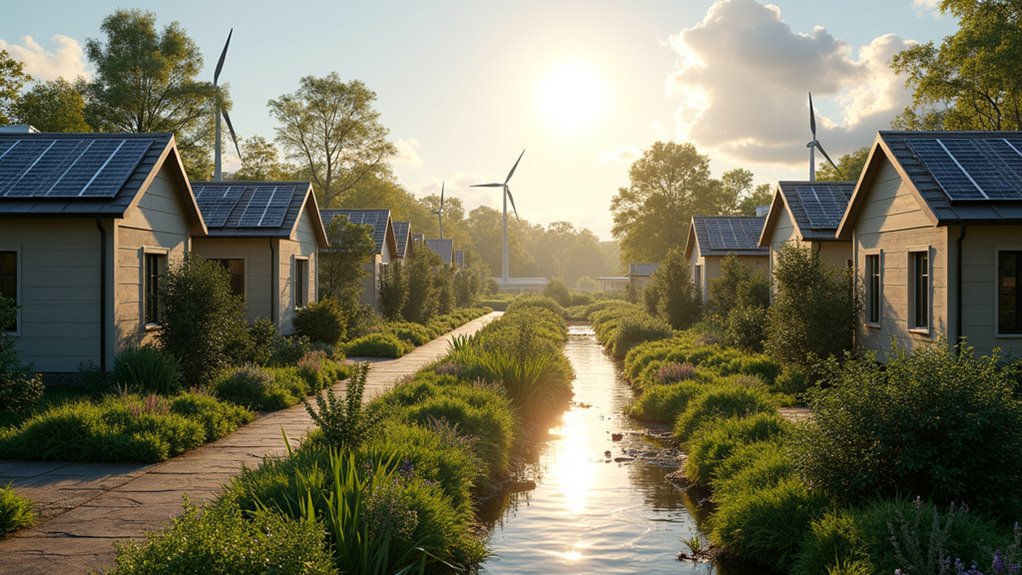
Looking ahead, disaster preparedness education must evolve to address emerging challenges, particularly those related to climate change. Programs are increasingly incorporating climate adaptation strategies alongside traditional emergency response protocols. This integrated approach helps communities prepare for both immediate threats and long-term environmental changes that may affect disaster frequency and severity.
Success in disaster preparedness education ultimately depends on sustained commitment from multiple stakeholders, including government agencies, educational institutions, and community organizations. By working together to develop culturally appropriate, evidence-based programs, these groups can help build more resilient communities capable of weathering whatever challenges the future may bring.
The investment in disaster preparedness education today promises to yield substantial returns in lives saved and communities preserved tomorrow.
Frequently Asked Questions
How Often Should Emergency Supplies and Disaster Kits Be Updated?
Emergency supplies and disaster kits require regular maintenance on different schedules.
Water should be replaced every 6 months, while food and medications need annual updates.
Batteries and electronics require quarterly checks.
Growing children’s clothing needs yearly updates.
Infant supplies demand more frequent rotation every 2-3 months.
Seasonal gear should align with weather changes.
The key is setting up a systematic schedule and involving all family members in the maintenance process.
What Role Do Social Media Platforms Play in Disaster Preparedness Communication?
Social media platforms serve as critical tools for disaster preparedness communication, offering real-time updates and fostering community engagement.
These platforms enable emergency managers to rapidly disseminate warnings, share educational resources, and coordinate response efforts. Through features like hashtags and location-based targeting, authorities can reach specific populations with tailored information.
Additionally, social media facilitates two-way communication, allowing officials to monitor situations and gather valuable feedback from community members.
Are There Government Grants Available for Community Disaster Preparedness Programs?
Multiple government grants support community disaster preparedness programs.
FEMA offers several funding streams, including BRIC for hazard mitigation and EMPG for emergency management capabilities.
HUD provides approximately $850 million annually through CDBG-DR grants, prioritizing low-income areas.
State-specific programs, like Colorado’s Disaster Resilience Rebuilding Program, offer additional support.
Local governments can access these funds through State Administrative Agencies, while some municipalities provide smaller-scale community grants.
How Can Elderly or Disabled Individuals Modify Standard Preparedness Plans?
Elderly and disabled individuals can adapt standard preparedness plans through targeted modifications.
Key adjustments include customizing emergency kits with extra medications, backup batteries for medical devices, and mobility aids.
Creating support networks of neighbors and caregivers is essential.
They should practice accessible evacuation routes, register with emergency services for priority assistance, and maintain detailed medical information lists.
Communication plans should incorporate multiple formats like visual, audio, and text alerts.
What Psychological Impact Does Disaster Preparedness Training Have on Children?
Disaster preparedness training markedly benefits children’s psychological wellbeing in multiple ways.
The education helps develop essential coping mechanisms, reducing anxiety and improving emotional regulation. Children gain enhanced problem-solving abilities and self-confidence, while building stronger social support networks.
Through structured preparedness activities, they experience decreased fear of uncertainties and develop a greater sense of control.
The training also promotes resilience and adaptability, leading to better mental health outcomes during and after emergencies.