

Building resilient communities against disasters requires a multi-layered approach combining strong public health systems, coordinated government response, and active community engagement. Local organizations must work together to assess vulnerabilities, develop emergency plans, and guarantee equitable access to resources. Tools like GIS mapping and scenario planning help identify risks, while regular drills strengthen preparedness. Understanding these components reveals how communities can transform from vulnerable to resilient in the face of catastrophic events.
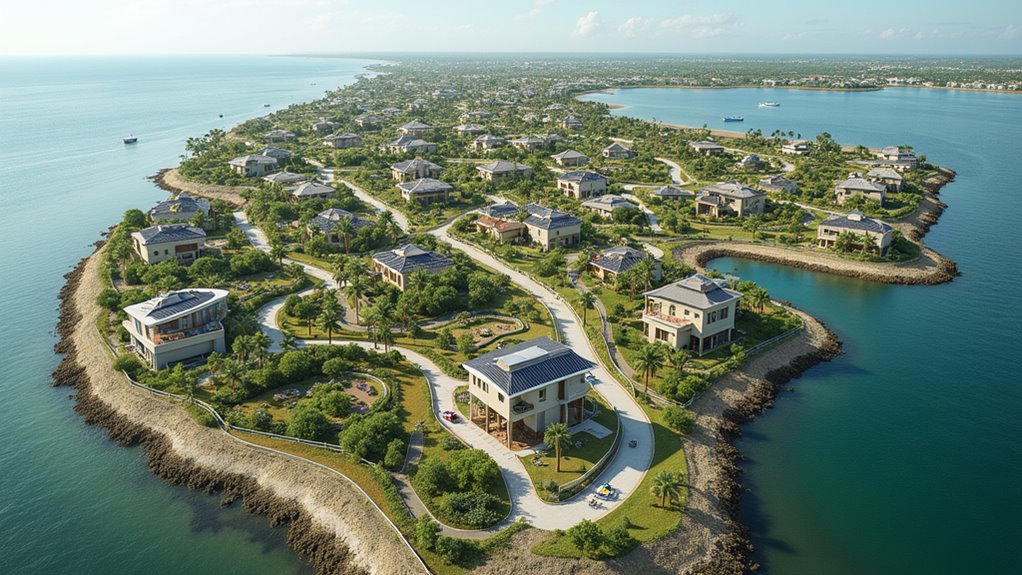
While natural disasters and societal challenges continue to test communities worldwide, the concept of community resilience has emerged as a vital framework for helping populations not just survive, but thrive in the face of adversity. This sustained ability to withstand and recover from hardship encompasses multiple dimensions – physical, psychological, social, and economic – working together as an integrated system rather than isolated components. Communities must focus on quality and efficiency in their preparedness efforts to maximize impact with limited resources.
Community resilience isn’t simply about bouncing back after a crisis; it’s about building stronger, more adaptable communities through deliberate, ongoing processes. At its core, this approach focuses on leveraging existing community strengths while addressing vulnerabilities through thorough planning and preparation. Recent events like Hurricane Katrina have demonstrated the critical importance of building robust community resilience systems. The most effective resilience strategies combine traditional disaster preparedness with everyday community health initiatives, creating a robust foundation that serves both immediate and long-term needs. Disaster preparedness education is a key factor in reducing risk and raising awareness among vulnerable populations.
True community resilience empowers populations to transform adversity into opportunity through continuous adaptation and strategic preparation.
Key components of resilient communities include strong public health systems, equitable access to resources, and effective risk communication networks. Governments play a crucial role in disaster risk management by formulating policies and coordinating response systems. Social connectedness plays a significant role, as does the integration of governmental and non-governmental organizations. Communities that successfully build resilience typically implement multi-faceted strategies that promote wellness programs, engage vulnerable populations, and develop accessible education and training opportunities. In the face of climate change, these strategies also include enhancing healthcare systems to withstand extreme weather events and disruptions. Implementing adaptation measures such as urban greening and improved drainage systems can significantly bolster community resilience against climate-related challenges.
The implementation of community resilience initiatives requires strategic action across several important areas. This includes guaranteeing access to quality healthcare and social services, empowering individuals through education, and promoting participatory decision-making in planning and response efforts. Success also depends on fostering self-sufficiency while building strong partnerships between government agencies, community organizations, and local residents.
However, building community resilience isn’t without its challenges. Many communities struggle with limited understanding of specific resilience-building processes and face difficulties integrating these approaches with traditional public health practices. There’s also an ongoing need for better metrics to evaluate progress and guide strategic planning, while balancing immediate disaster response capabilities with long-term resilience goals.
Government involvement at all levels has become increasingly important in supporting community resilience efforts. Federal agencies like FEMA emphasize a whole-community approach to emergency management, while the CDC incorporates resilience into its public health preparedness capabilities. Local governments are now encouraged to develop thorough resilience plans that address both immediate threats and long-term sustainability.
Modern tools and approaches have enhanced communities’ ability to build and measure resilience. These include sophisticated assessment tools, scenario planning exercises, and GIS mapping for risk assessment. Community-based participatory research methods help guarantee that resilience-building efforts reflect local needs and priorities, while social network analysis helps identify and strengthen significant community connections.
Through these combined efforts, communities can develop the capacity to not only weather future challenges but emerge stronger and more unified.
Frequently Asked Questions
How Can Individual Households Prepare Financially for Potential Disasters?
Households can strengthen their financial preparedness through several key steps.
Building an emergency fund covering 3-6 months of expenses provides essential buffer.
Creating a financial first-aid kit with important documents stored safely protects critical information.
Regular insurance policy reviews guarantee adequate coverage for different disaster scenarios.
Setting up electronic payments and maintaining a disaster financial plan helps families stay resilient when emergencies strike.
What Role Do Mental Health Services Play in Post-Disaster Community Recovery?
Mental health services play an essential role in helping communities heal and rebuild after disasters.
These services provide critical psychological first aid, crisis counseling, and long-term treatment for survivors experiencing PTSD, depression, and anxiety.
Through integrated community-based approaches, mental health professionals help victims cope with trauma, navigate relief programs, and restore their ability to function.
Additionally, they train local providers and establish support networks that strengthen overall community recovery and resilience.
How Often Should Community Disaster Response Plans Be Updated?
Community disaster response plans require regular updates to remain effective.
Most emergency management agencies mandate annual reviews, while some experts recommend updates every 6 months.
Critical updates should occur after exercises, real incidents, or when significant changes happen in the community’s risk profile, infrastructure, or demographics.
Contact lists and resource inventories need particular attention, as they can quickly become outdated.
A systematic review process helps guarantee plans stay current and functional.
Which Community Projects Best Strengthen Social Bonds Before Disasters Strike?
Community gardens, block parties, and volunteer fairs consistently rank among the most effective projects for building social connections.
These activities create natural opportunities for neighbors to collaborate, share resources, and develop trust.
Intergenerational programs and skill-sharing initiatives like timebanks also prove valuable, bringing diverse residents together regularly.
Local festivals celebrate shared culture while participatory budgeting gives residents meaningful ways to work together solving community challenges.
What Technologies Are Most Effective for Community-Wide Emergency Alert Systems?
Wireless Emergency Alerts (WEA) and the Integrated Public Alert Warning System (IPAWS) stand out as the most effective technologies for community alerts.
WEA reaches 96% of Americans through cell phones, while IPAWS delivers messages across multiple channels simultaneously. Together with the Emergency Alert System for broadcast media, these technologies create a robust network.
Advanced IoT sensors and social media integration further enhance real-time warning capabilities during emergencies.


