Global heatwaves pose serious health risks, with deaths approaching half a million annually worldwide. Elderly people, children, pregnant women, and outdoor workers face the greatest danger, showing an 85% increase in heat-related mortality over recent decades. The problem is worsening – heatwave frequency has tripled since the 1960s, while average duration jumped from 3 to 4 days. Communities are fighting back through cooling centers, workplace protections, and green spaces, but understanding the full scope of this challenge reveals essential next steps.
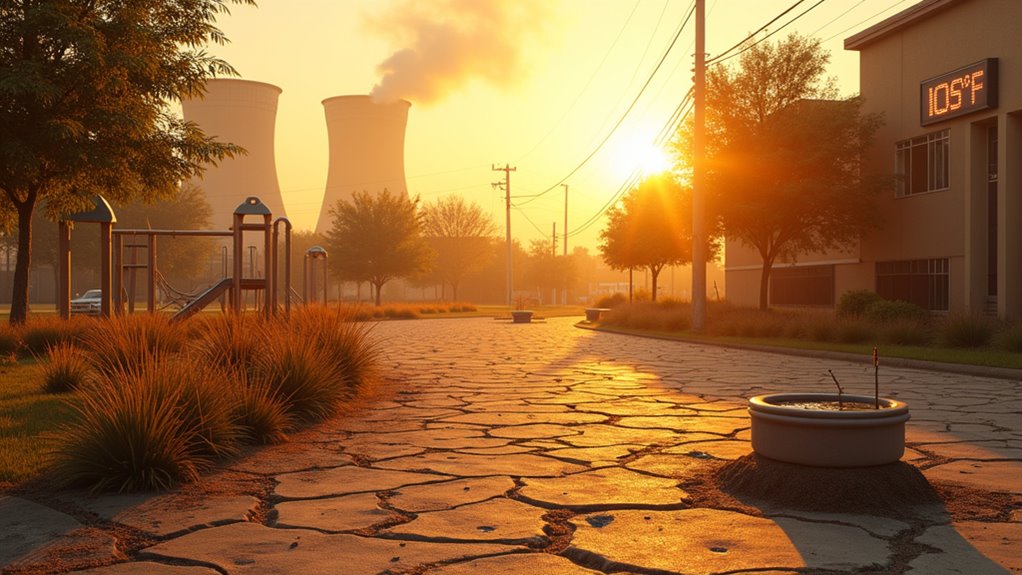
Three critical trends in global heatwaves paint an alarming picture for human health worldwide. Since the 1960s, their frequency has tripled from 2 to 6 occurrences annually, while lasting longer and hitting harder – now averaging 4 days instead of 3, with temperatures climbing 2.5°F above local thresholds. Perhaps most concerningly, the heatwave season has stretched by 46 additional days compared to sixty years ago.
These aren’t just uncomfortable inconveniences – heatwaves represent the deadliest weather-related phenomenon globally. Nearly half a million people succumb to heat-related causes each year, with the elderly facing particularly devastating impacts. The 2003 European heatwave alone claimed 70,000 lives in just three months, highlighting how quickly these events can turn lethal. Heat-related mortality among those 65 and older has surged by 85% in recent decades, marking a disturbing upward trend. Population exposure to heat has increased dramatically, with 125 million more people affected between 2000 and 2016.
The human body responds to extreme heat in potentially dangerous ways. Initially, heat exhaustion can cause dizziness, swelling, and weakness. If exposure continues, it may progress to heatstroke – a life-threatening emergency. Less visible but equally serious are the risks of blood clots and accelerated cellular aging. US statistics show heat-related deaths have increased to 1,600 in 2021, representing a concerning public health trend. Renewable energy solutions like solar and wind can power air conditioning systems sustainably, providing relief during heatwaves. Oceans serve as a buffer against rapid temperature changes, but their warming impacts can exacerbate heatwave conditions.
Extreme heat doesn’t just cause discomfort – it triggers cascading health effects from heat exhaustion to potentially fatal heatstroke and hidden vascular damage.
These effects don’t impact everyone equally; children, pregnant women, outdoor workers, and those with chronic conditions face heightened vulnerability. Vulnerable populations, especially those living in regions with limited resources, may also experience disproportionate health impacts from heatwaves.
The socioeconomic ripples of intensifying heatwaves extend far beyond direct health impacts. By 2030, productivity losses could reach $2.4 trillion annually, while workplace injuries due to heat already affect 23 million people worldwide. Essential services often buckle under the strain, with power outages disrupting healthcare delivery precisely when it’s needed most.
The threat to food security looms large as crops and livestock suffer in extreme temperatures. Sustainable transportation can also play a role in mitigating the impact of heatwaves by reducing emissions and improving urban air quality.
However, communities aren’t helpless against this growing threat. Cities are implementing heat action plans, establishing cooling centers, and expanding green spaces. Workplace policies are evolving to protect workers during peak heat hours, while public education campaigns spread awareness about proper hydration and heat stress prevention.
Improved housing materials and greater access to cooling technologies offer additional layers of protection.
Looking ahead, scientists project heatwaves could claim 1.6 million lives globally by 2050 if current trends continue. Southeast Asia faces particularly severe risks from prolonged exposure, while urban heat islands amplify the danger in cities worldwide.
Yet this sobering forecast isn’t set in stone – cross-sector collaboration and decisive action on climate change could help bend the curve. The key lies in recognizing heatwaves as a serious public health challenge while embracing available solutions to protect vulnerable populations and build more resilient communities.
Frequently Asked Questions
Can Certain Medications Increase My Risk During a Heatwave?
Yes, many common medications can considerably increase heat-related health risks.
Diuretics can cause dehydration, while beta-blockers and anticholinergics interfere with the body’s natural cooling mechanisms.
Antidepressants and antipsychotics may also disrupt temperature regulation.
People taking these medications should be extra cautious during hot weather, staying hydrated and cool.
It’s important to consult healthcare providers about adjusting medication schedules during heatwaves, but never stop taking prescriptions without medical guidance.
How Long Should I Wait Between Outdoor Activities During Extreme Heat?
Wait times between outdoor activities during extreme heat depend on several key factors.
For strenuous activities, experts recommend waiting 2-3 hours minimum. Light activities in shaded areas require 30-60 minute breaks.
The safest approach is waiting until the heat index falls below 90°F. Early morning or late evening provide ideal windows for activity.
Individual factors like fitness level, age, and acclimatization can affect these timeframes. Always listen to your body’s signals.
Are There Specific Foods That Help the Body Cope With Heatwaves?
Several foods can help the body manage heat effectively.
Water-rich fruits and vegetables like cucumber (96% water), watermelon (92%), and lettuce (95%) provide natural hydration.
Cooling foods such as mint, yogurt, and cinnamon help regulate body temperature.
Spicy foods, while counter-intuitive, can trigger sweating that cools the body.
Small, frequent meals of these foods, especially during cooler hours, support better heat tolerance and maintain energy levels.
What Temperature Should I Set My Home AC During a Heatwave?
During extreme heat, set the AC between 75-78°F (24-26°C) when home to balance comfort and energy efficiency.
At night, lower to 72-75°F (22-24°C) for better sleep.
When away, raise to 82-85°F (28-29°C) to save energy while preventing indoor humidity.
Use ceiling fans alongside AC to create a wind-chill effect, making rooms feel up to 4°F cooler without adjusting the thermostat.
Remember to maintain consistent temperatures rather than frequent adjustments.
Do Portable Fans Actually Help When Temperatures Exceed 95 Degrees Fahrenheit?
Portable fans become less effective and potentially harmful when temperatures exceed 95°F.
While fans don’t actually cool the air, they can help in humid conditions by promoting sweat evaporation.
However, in hot, dry environments above 95°F, fans may increase heat stress and dehydration.
The key factors are humidity levels and individual health status.
For temperatures above 95°F, air conditioning is the safer cooling option, especially for vulnerable populations.