UK Wildlife Crisis as Grass Fires Threaten Endangered Species
A devastating wave of wildfires is threatening some of the UK’s most endangered wildlife, burning vital habitats and pushing several rare species closer to extinction. This year alone, over 110 square miles of crucial habitat has gone up in flames – an area larger than Birmingham – with conservationists warning that 2025 is shaping up to be the worst year on record for these human-caused disasters.
In Wales, fire crews have battled nearly 1,400 wildfires already this year, with south Wales experiencing a shocking 1,200% increase compared to the same period in 2024. Behind these alarming numbers lies a grim reality: some of our most vulnerable wildlife is quite literally being “torched alive.”
Wildlife in the Crosshairs
The cost to wildlife has been severe. Water voles, already the UK’s fastest-declining mammal, are losing their last remaining strongholds in upland areas. These small creatures might survive the initial flames but face starvation as their habitat and food sources vanish overnight.
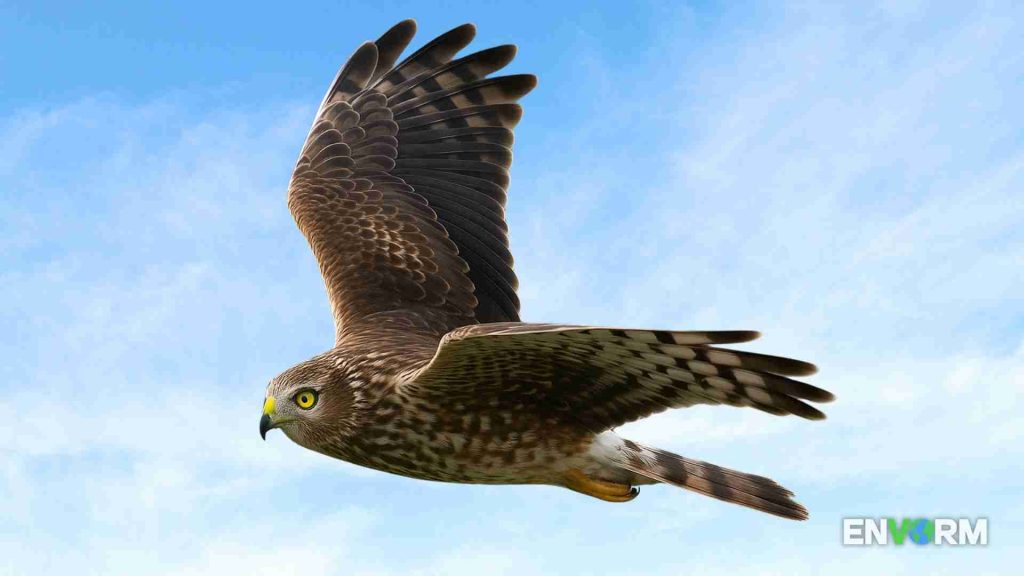
Hen harriers – one of our most endangered birds of prey – are seeing hard-won conservation gains reversed as nesting sites burn. Meanwhile, beautiful golden plovers have reportedly lost their last local breeding habitat at Abergwesyn common in Powys, dealing another blow to upland biodiversity.
An “irreplaceable” area of temperate Atlantic rainforest near Aberystwyth has also been damaged – a habitat considered even more threatened than tropical rainforest. At Marsden Moor in West Yorkshire, thousands of newly planted trees that represented hope for the future have been reduced to ash.
Beyond the Immediate Flames
The damage extends far beyond what we can see burning. When rain follows fires, phosphates from burnt soil wash into waterways, degrading water quality across entire watersheds. The destruction of invertebrates creates a domino effect through the food web, leaving birds and other predators without crucial food sources.
This year’s exceptional fire season has been fueled by a perfect storm: record dry conditions and unusually high temperatures in March, coupled with a relatively low number of fires in 2024 that left more vegetation to burn this year.
The linear valley landscapes of Wales create ideal conditions for rapid fire spread, turning small ignitions into landscape-scale disasters.
What Can Be Done?
Conservation experts are calling for increased government funding to help restore peat bogs, which naturally resist fires while storing carbon and providing habitat. Better oversight of controlled burns and more comprehensive monitoring of wildfire impacts could help mitigate damage in the future.
With the UK already one of the most nature-depleted countries in the world, these annual spring fires represent a burden that our struggling wildlife simply cannot bear.
Every flame pushes us one step closer to losing species that have called these islands home for thousands of years.