
AMERICA’S DEADLIEST STORMS ARE MOVING EAST
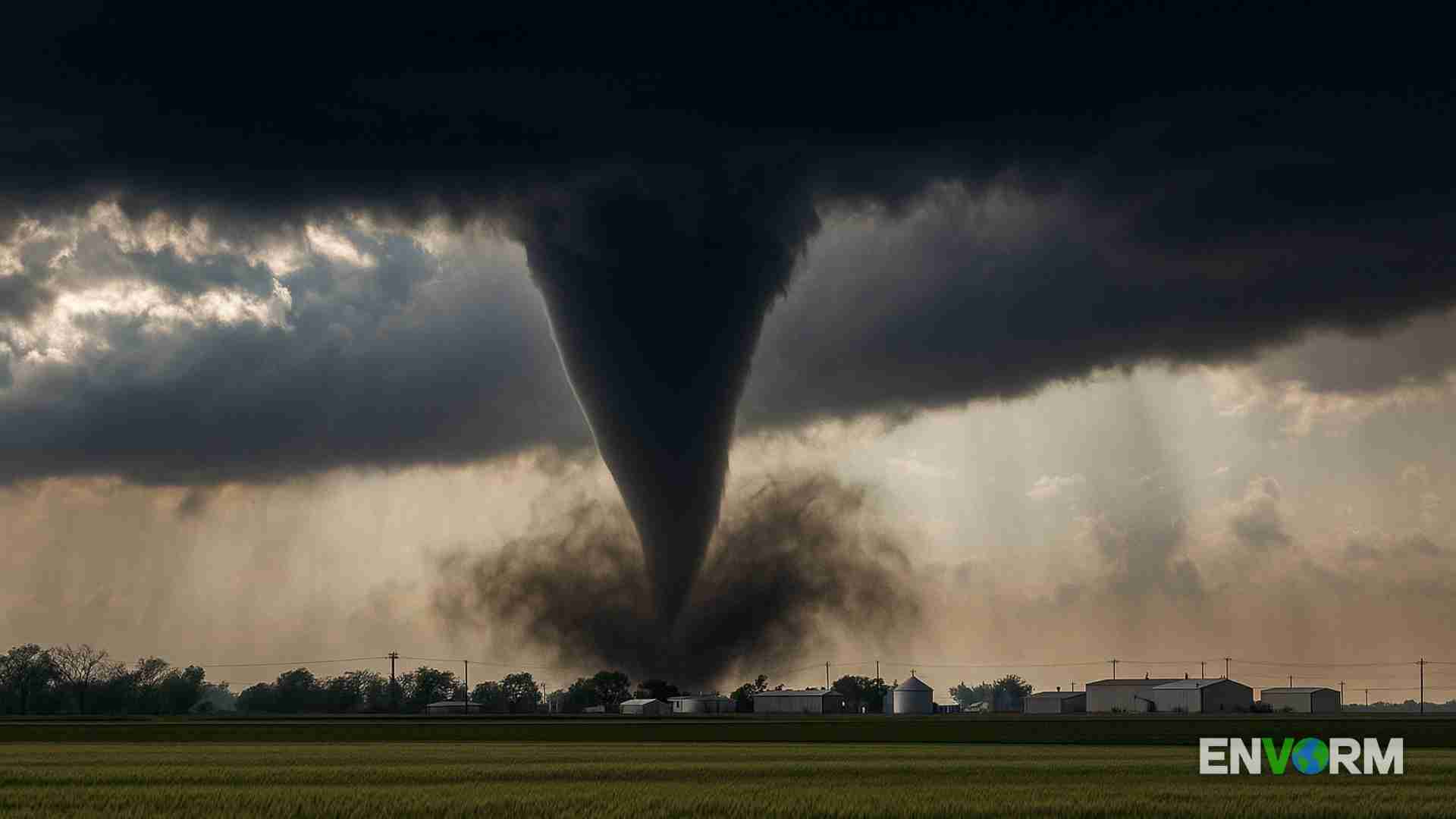
America’s tornado map is being dramatically redrawn in real time. With a staggering 552 twisters already recorded by late April 2025 – far outpacing the historical average of 337 – we’re witnessing not just more storms, but a fundamental geographic shift in where they strike. The notorious “tornado alley” that once defined the central Plains is migrating eastward, bringing its destructive force to communities with far less experience handling these monster storms.
This isn’t just a weather anomaly – it’s a dangerous new reality shaped by climate change that’s putting millions more Americans in harm’s way.
THE SHIFTING STORM FRONT
For decades, tornado alley was firmly anchored in Texas, Oklahoma, and parts of Arkansas. But over the last 35 years, these destructive storms have migrated 400-500 miles eastward, now concentrating over Kentucky, Tennessee, Mississippi, and Alabama.
This eastward march isn’t just a statistical curiosity – it’s a life-or-death issue. While the recent outbreak in Texas and Oklahoma killed at least three people, many of this year’s deadliest tornadoes struck in Mississippi, Alabama, and Tennessee – states with fewer tornado shelters and more vulnerable housing.
WHY THE U.S. IS TORNADO CENTRAL
The U.S. sees more tornadoes than anywhere else on Earth because of its unique geography. Picture two massive air streams colliding: dry, cool air from the Pacific that’s crossed the Rockies meets warm, humid air pumping up from the Gulf of Mexico. When these giants clash over flat terrain, they create the perfect recipe for tornados – unstable air and wind shear.
CLIMATE CHANGE: THE INVISIBLE HAND
Climate change is fundamentally altering this dangerous dance. As temperatures rise, the Gulf of Mexico is warming, pumping more moisture farther east into the Southeast. Atmospheric instability is increasing across the region, and the boundary between dry western air and moist eastern air has shifted about 140 miles eastward. The result? More fuel for powerful storms in places historically less prepared for them.
THE SOUTHEAST’S TORNADO PROBLEM
This eastward shift creates multiple challenges for the Southeast. Fewer tornado shelters exist in these states compared to traditional tornado alley. The region has higher population density and more mobile homes, which are particularly vulnerable to high winds. Perhaps most concerning, tornadoes in the Southeast often strike at night when they’re harder to spot and evade.
With tornado season far from over, communities across the Southeast face a new reality: they’re now living in tornado alley without the infrastructure or experience to match.
WHAT CAN BE DONE?
For individuals, creating a family emergency plan specific to tornadoes is essential. Know your nearest shelter locations and consider tornado-safe rooms for new construction. Install weather alert apps that can wake you at night – a critical safeguard against the Southeast’s nighttime twisters.
Communities must invest in early warning systems, update building codes to reflect new tornado risks, and develop public education campaigns about tornado safety. The shift in tornado alley isn’t just a weather pattern – it’s a warning sign of our changing climate that demands both immediate adaptation and long-term climate action.