Effective wildfire prevention combines multiple layers of protection, starting with defensible space creation around buildings through systematic vegetation management. Safe outdoor practices, proper equipment maintenance, and expert fuel management techniques form the core prevention strategy. Modern technology like satellite monitoring enhances early detection, while community engagement guarantees widespread adoption of protective measures. Professional prescribed burns and strategic firebreaks help manage fuel loads systematically. Understanding these interconnected approaches reveals the full scope of wildfire defense.
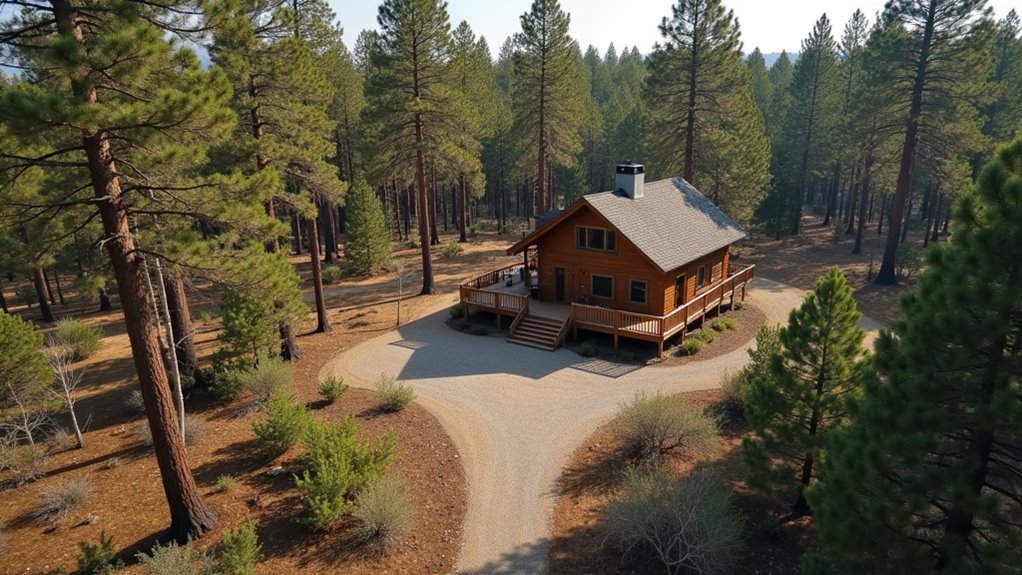
As wildfires become increasingly devastating across the globe, implementing extensive prevention strategies has emerged as a vital priority for communities, land managers, and emergency responders. Creating defensible space around structures stands as one of the most effective methods for protecting lives and property. This involves systematically removing flammable vegetation within 100 feet of buildings, trimming low-hanging tree branches, and maintaining well-watered, short grass. Fire-resistant landscaping materials further enhance this protective buffer zone. With climate change intensifying wildfire frequency and severity, these prevention measures have become more critical than ever. The increased risk of heat-related illnesses during wildfires further underscores the importance of preventive measures to protect public health. Addressing power imbalances in disaster response ensures that all communities, especially the vulnerable, receive equitable protection and resources.
Wildfires threaten communities globally, making prevention and defensible spaces around buildings essential for protecting life and property.
Safe outdoor activities play an important role in preventing human-caused wildfires. Obtaining proper permits for campfires, maintaining constant supervision, and thoroughly extinguishing fires with both water and dirt are essential practices. Weather conditions, particularly wind, must be carefully considered before any burning activities. The proper disposal of smoking materials in closed containers prevents accidental ignitions that could lead to catastrophic fires. Using designated smoking areas helps maintain control over potential fire hazards in public spaces.
Equipment and vehicle maintenance represents another vital aspect of wildfire prevention. Keeping vehicles off dry vegetation, guaranteeing proper spark arrestors on outdoor equipment, and regular vehicle maintenance prevent accidental sparks from starting fires. The simple act of carrying a fire extinguisher in vehicles can make the difference between a small incident and a major conflagration. Implementing storm surge preparedness measures can also mitigate fire risks by ensuring that emergency response systems are equipped to handle natural disasters, whether they involve water or fire.
Professional fuel management techniques have proven invaluable in reducing wildfire risks. Prescribed burns, conducted under expert supervision, help maintain healthy ecosystems while reducing dangerous fuel loads. Creating strategic firebreaks, thinning tree canopies, and implementing mechanical treatments effectively manage vegetation and create barriers to fire spread. The establishment of habitat corridors can further aid in preserving biodiversity and enhancing ecosystem resilience in the face of wildfires.
Community education and engagement form the backbone of successful wildfire prevention programs. Through awareness campaigns and practical training, residents learn to identify risks and take appropriate preventive measures. This knowledge empowers communities to create and maintain fire-resistant environments while fostering a culture of vigilance and responsibility.
The development of all-encompassing wildfire protection plans brings together multiple stakeholders to address local challenges. These plans assess specific risks, establish clear evacuation routes, and implement appropriate building codes. The collaboration between agencies, community members, and experts guarantees a coordinated approach to wildfire prevention and response.
Modern technology has revolutionized wildfire prevention efforts. Remote cameras, satellite imagery, and artificial intelligence systems provide early detection capabilities that were impossible just decades ago. Mobile applications enable public reporting of fire risks, while advanced warning systems alert communities to potential dangers.
These technological tools, combined with traditional prevention methods, create a robust framework for protecting lives and property from the devastating impact of wildfires. Together, these strategies form a broad approach to wildfire prevention that continues to evolve and improve as new technologies and techniques emerge.
Through consistent implementation and community commitment, these methods greatly reduce the risk of catastrophic wildfires while preserving valuable ecosystems for future generations.
Frequently Asked Questions
How Long Does It Typically Take for Burned Forest Land to Recover?
Forest recovery timelines vary greatly based on fire severity and local conditions.
Initial regrowth begins within weeks or months, with sprouting vegetation and surviving seedbanks.
However, complete recovery typically takes 30-150 years for most forest ecosystems.
Mild burns may recover in just a few decades, while severe fires in harsh climates can take over a century.
Climate change and frequent reburning increasingly complicate these timeframes.
What Percentage of Wildfires Are Caused by Natural Lightning Strikes?
Lightning strikes cause between 10-15% of wildfires in the United States, but these fires account for up to 60% of total burned acreage.
The percentage varies markedly by region – from just 5% in Mediterranean areas to nearly 70% in parts of California.
In the western U.S., lightning causes over 50% of wildfires, particularly in less populated mountainous regions.
Climate change could increase these numbers, as lightning frequency rises 11-31% per degree of warming.
Can Wildfires Affect Air Quality in Cities Hundreds of Miles Away?
Yes, wildfires can greatly impact air quality in cities hundreds of miles from the source.
Wind patterns regularly transport smoke particles across vast distances, carrying dangerous PM2.5 particles that pose serious health risks.
The 2023 Canadian wildfires demonstrated this dramatically, affecting air quality for 75 million Americans far from the burn sites.
Smoke plumes can travel thousands of miles, degrading air quality and visibility in cities that may never see the actual flames.
How Do Wildlife Populations Typically Respond to and Recover From Wildfires?
Wildlife show remarkable adaptability to wildfires. Most animals initially flee from smoke and flames, with birds taking to the skies and larger mammals relocating to safer areas.
Small creatures find refuge in underground burrows. Within days or weeks, many species return as new vegetation emerges.
While some populations face short-term challenges from habitat loss, fire-adapted species often thrive in post-fire landscapes.
However, severe fires can delay full ecosystem recovery for decades.
What Role Do Invasive Plant Species Play in Increasing Wildfire Risks?
Invasive plants greatly amplify wildfire risks by creating continuous, highly flammable fuel beds across landscapes.
These aggressive species dry out faster than native vegetation and burn hotter, enabling fires to spread more rapidly and intensely.
After fires, invasives quickly reestablish themselves, outcompeting fire-resistant native plants and creating a dangerous cycle.
Their presence extends fire seasons and enables blazes in previously fire-resistant areas, fundamentally altering natural fire regimes.