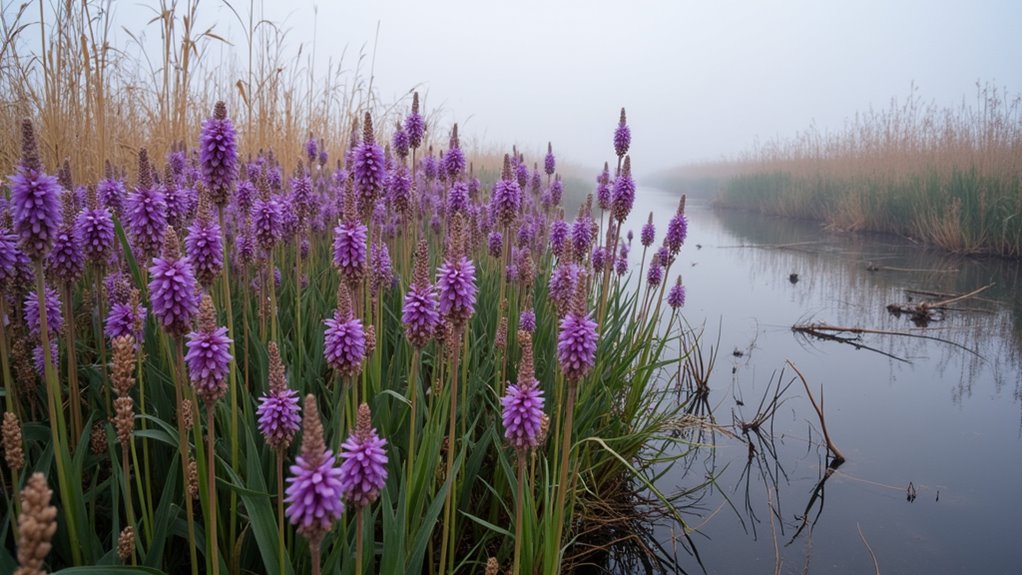

Invasive species wreak havoc on ecosystems by outcompeting native plants and animals for resources. Without natural predators to keep them in check, these aggressive invaders multiply rapidly, often reducing local species populations by up to 90%. From Burmese pythons decimating Florida’s mammals to emerald ash borers destroying millions of trees, invasives cost the global economy over $100 billion annually. While the challenge is significant, coordinated prevention strategies and community action offer promising solutions to restore nature’s delicate balance.
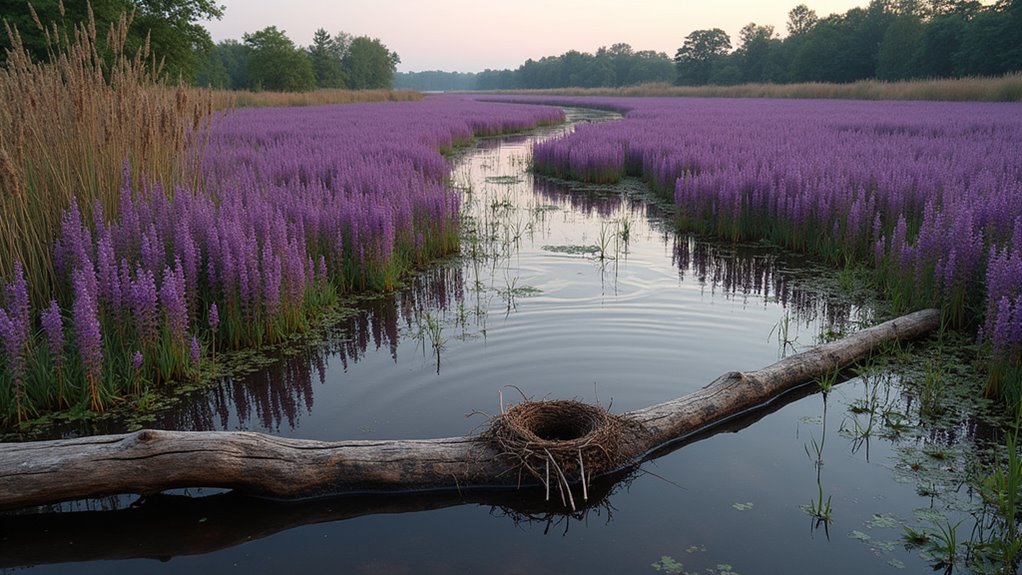
The delicate balance of Earth’s ecosystems faces an unprecedented challenge as invasive species continue to reshape environments across the globe. These unwanted visitors, ranging from aggressive plants to predatory animals, wreak havoc on native species and cost the global economy over $100 billion annually in damages and control efforts. In the United Kingdom alone, managing invasive species drains approximately $1.8 billion from the economy each year, highlighting the massive scale of this ecological crisis.
These biological invaders find their way into new territories through various means, both intentional and accidental. Ships’ ballast water serves as an underwater taxi for aquatic organisms, while escaped pets and ornamental plants establish themselves in the wild. Even innocent activities like hiking can spread invasive species when seeds attach themselves to boots and clothing. Climate change compounds the problem by creating favorable conditions for these opportunistic species to expand their ranges. Extreme weather events, fueled by climate change, further aid in the spread of invasive species by disrupting natural barriers and creating new pathways for invasion.
The disruption caused by invasive species extends far beyond mere presence. They outcompete native species for essential resources like food and shelter, often lacking natural predators in their new environments. This advantage allows them to multiply unchecked, leading to devastating consequences for local ecosystems. Take the Burmese python in Florida’s Everglades, which has virtually eliminated small mammal populations, or the emerald ash borer that has destroyed millions of ash trees across North America. The aggressive nature of these species has contributed to the decline of 42% of endangered and threatened species in the United States. A prime example is the lionfish, which can reduce native fish populations by nearly 90% in just five weeks. Treaties like CITES play a crucial role in preventing the introduction and spread of such species by regulating international trade in wildlife.
The mechanisms of ecosystem disruption are complex and far-reaching. Invasive species can alter fundamental ecological processes, including fire regimes, soil chemistry, and water cycles. They may spread diseases to which native species have no immunity or hybridize with local species, diluting genetic diversity. Some invasives, like the zebra mussel, even impact human infrastructure by clogging water intake pipes and causing millions in damage. Effective management strategies such as prevention and rapid response are essential to mitigate these impacts and safeguard biodiversity.
However, there’s hope in the fight against invasive species. A combination of prevention, early detection, and rapid response has proven effective in many cases. International agreements and national management plans provide frameworks for action, while public education programs help citizens identify and report new invasions.
Biological control methods, using carefully selected natural enemies, have successfully managed some invasive populations without harming native species. The key to success lies in coordinated effort at all levels – from international cooperation to local volunteer initiatives.
Communities across the world are fighting back by organizing removal efforts in parks and natural areas, while gardeners increasingly choose native plants for landscaping. While the challenge of invasive species remains formidable, these collective actions demonstrate that through informed, persistent effort, we can protect and restore the natural balance of our ecosystems for future generations.
Frequently Asked Questions
How Can Humans Prevent Accidentally Transporting Invasive Species Across Borders?
Humans can prevent accidental transport of invasive species through rigorous cleaning protocols. Washing vehicles, boats, and equipment before entering new areas removes hidden hitchhikers.
Using certified weed-free materials, inspecting wooden packaging, and avoiding firewood transport between regions helps block common pathways.
Following quarantine regulations, declaring agricultural items at borders, and proper disposal of live bait and aquarium materials are essential preventive measures that everyone should follow.
What Role Do Climate Changes Play in the Spread of Invasive Species?
Climate change acts as a powerful catalyst for invasive species spread through multiple mechanisms. Rising temperatures enable species to survive in previously inhospitable regions, while extreme weather events transport organisms across natural barriers.
Melting Arctic ice creates new invasion pathways, and earlier springs give invasives competitive advantages over native species. Additionally, climate-stressed ecosystems become more vulnerable to invasion, creating a feedback loop that amplifies both climate and invasion impacts.
Can Invasive Species Ever Become Beneficial to Their New Environment?
Research shows that invasive species can indeed provide unexpected benefits to their new ecosystems. They may fill empty ecological niches, support native wildlife with new food sources, and boost local biodiversity.
For example, some non-native plants help disperse seeds of native species, while invasive earthworms can increase agricultural productivity by 25%.
However, each case requires careful scientific evaluation to weigh potential benefits against ecological risks.
How Long Does It Take for an Ecosystem to Recover Naturally?
Ecosystem recovery timeframes vary dramatically based on disturbance type and intensity. While minor disruptions may heal within months, complete recovery often takes decades or even centuries.
Small vegetation typically returns first, followed by larger plants and animals. Climate change and repeated disturbances can greatly delay healing.
On average, basic recovery takes about 3.3 months, but full ecosystem restoration commonly requires 6-46 years, depending on the extent of damage.
Which Countries Have the Most Successful Invasive Species Management Programs?
New Zealand stands out globally with its thorough invasive species management, implementing strict biosecurity measures and successful island eradications.
Australia follows closely with robust surveillance and rapid response systems.
Both countries utilize science-based approaches and coordinated national strategies.
The Cook Islands has achieved notable success with targeted eradication programs, while the United States employs effective EDRR practices and integrated management systems across varied ecosystems.


