

Climate change disrupts global water resources through rising temperatures, altered precipitation patterns, and increased evaporation rates. These changes impact agriculture, ecosystems, and water quality while threatening coastal aquifers with saltwater intrusion. Communities worldwide face challenges from unpredictable water availability and degraded supplies. However, innovative solutions like water recycling, improved irrigation techniques, and infrastructure upgrades offer hope. Understanding the complex relationship between climate and water helps reveal sustainable strategies to protect Earth’s most essential resource.
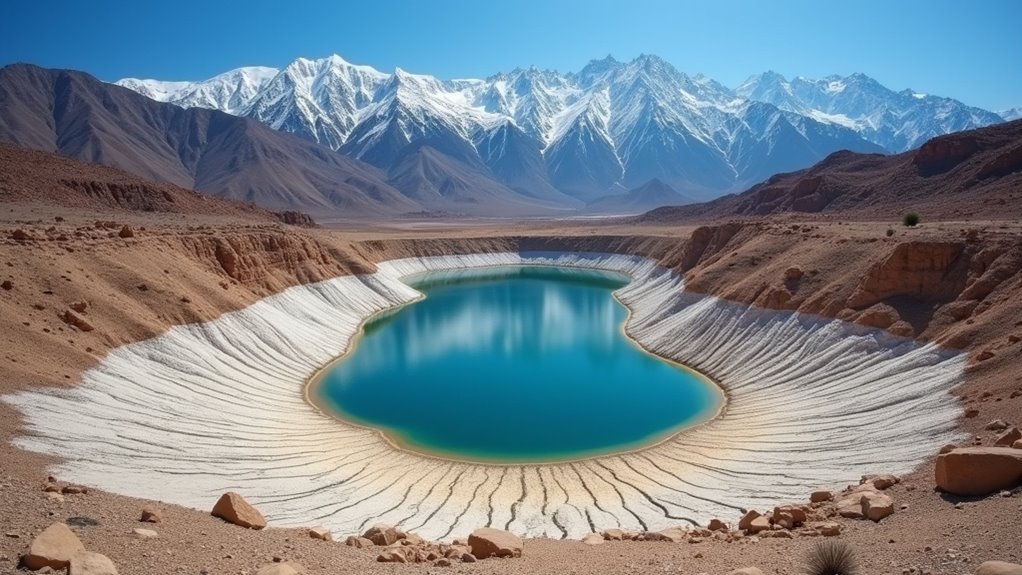
As global temperatures continue to rise, the world’s water resources face unprecedented challenges that ripple through every aspect of human society and natural ecosystems. The fundamental shifts in the global water cycle are manifesting through altered precipitation patterns, increased evaporation rates, and dramatic changes in the timing of seasonal water availability, particularly in regions dependent on snowmelt for their water supply.
These transformations are creating a complex web of interconnected challenges for communities worldwide. Mountain regions, traditionally reliable sources of water through gradual snowmelt, are experiencing earlier spring runoff and reduced snowpack, disrupting the natural water storage systems that millions rely upon. Coastal areas face a different threat as rising sea levels push saltwater into freshwater aquifers, compromising drinking water supplies and agricultural resources. The increasing frequency of extreme weather events is leading to severe water scarcity and unpredictable availability patterns. Many communities are adapting to climate change by adjusting their infrastructure and disaster response systems to mitigate these challenges. As rainfall patterns shift, innovative farming practices are being adopted to help ensure food security amid changing conditions.
The quality of available water is also deteriorating under climate pressures. Warmer water temperatures create ideal conditions for harmful algal blooms, while more frequent intense rainfall events wash increased amounts of pollutants into waterways. These changes have far-reaching implications for public health, as waterborne diseases become more prevalent and water treatment systems struggle to cope with new challenges. With only 3% of Earth’s water being freshwater, the preservation of clean water sources is more critical than ever.
Rising temperatures and extreme weather are creating a perfect storm for water quality decline, threatening both environmental and human health.
Agricultural communities are particularly vulnerable to these shifts in water availability. Farmers face difficult decisions as traditional growing seasons become less predictable and irrigation demands increase due to higher temperatures. The competition for water resources between agricultural, urban, and industrial uses is intensifying, leading to complex allocation challenges that require careful management and innovative solutions.
Natural ecosystems are experiencing profound disruptions as well. Aquatic species must adapt to changing water temperatures and altered flow patterns, while wetland ecosystems face threats from both drought and sea level rise. These changes cascade through food webs, affecting everything from microscopic organisms to large predators, ultimately impacting biodiversity and ecosystem resilience.
However, communities and governments are responding with increasingly sophisticated adaptation strategies. Water conservation measures, improved irrigation techniques, and water recycling programs are being implemented across the globe. Infrastructure upgrades are incorporating climate change projections, while agricultural practices are evolving to enhance resilience against water scarcity.
The path forward requires a coordinated approach that combines technological innovation with smart policy decisions. From developing drought-resistant crops to implementing advanced water monitoring systems, solutions exist to help secure our water future. Success depends on recognizing water as our most precious resource and taking decisive action to protect it.
Through careful management and forward-thinking adaptation strategies, communities can build resilience against the water-related impacts of climate change while ensuring sustainable access to clean water for future generations.
Frequently Asked Questions
How Do Desalination Plants Impact Marine Ecosystems and Local Wildlife?
Desalination plants notably disrupt marine ecosystems through multiple mechanisms.
The intake systems trap and kill fish larvae and plankton, while brine discharge increases local salinity, harming fish eggs and seagrass meadows.
Chemical additives like chlorine and copper contaminate waters, creating dead zones that affect native species.
Physical alterations to seafloor habitats during construction further impact coastal ecology.
However, proper diffuser systems and subsurface intakes can help minimize these environmental impacts.
What Role Does Groundwater Depletion Play in Earthquake Frequency?
Groundwater depletion plays a significant role in triggering seismic activity by altering the forces acting on fault systems.
When massive amounts of water are extracted from aquifers, it causes the Earth’s crust to rise and reduces the pressure keeping faults stable.
Studies show that up to 14% of tectonic stress can come from groundwater removal, leading to increased earthquake frequency, especially during dry seasons when water extraction peaks.
This effect is particularly notable in regions like California’s San Joaquin Valley.
Can Artificial Rain-Making Technology Help Solve Water Scarcity Issues?
Cloud seeding shows promise as one tool for addressing water scarcity, but it’s not a silver bullet.
While the technology can increase precipitation by up to 10% under ideal conditions, its effectiveness varies widely.
The process is relatively cost-effective at a few dollars per acre-foot of water, yet environmental concerns persist.
When combined with extensive water management strategies, cloud seeding can contribute meaningfully to water security in drought-prone regions.
How Do Water Trading Markets Affect Socioeconomic Equality in Communities?
Water trading markets greatly impact socioeconomic equality in communities, often widening existing disparities.
While these markets improve overall economic efficiency by shifting water to high-value uses, they tend to favor wealthy farmers and large agricultural operations. Small farmers, with limited bargaining power, frequently struggle to compete.
Communities selling water rights experience population decline, reduced local spending, and deteriorating social services. Young people migrate out, school enrollment drops, and rural areas face sustainability challenges.
What Emerging Technologies Can Detect and Prevent Underground Water Pipe Leaks?
Several cutting-edge technologies are revolutionizing leak detection in underground water infrastructure.
Acoustic sensors detect sound waves from escaping water, while smart meters with IoT integration provide real-time monitoring and alerts.
Satellite and drone imaging equipped with thermal cameras can spot temperature variations indicating leaks across vast areas.
AI and machine learning algorithms analyze data from these various sources, enabling predictive maintenance and faster response times to potential problems.


