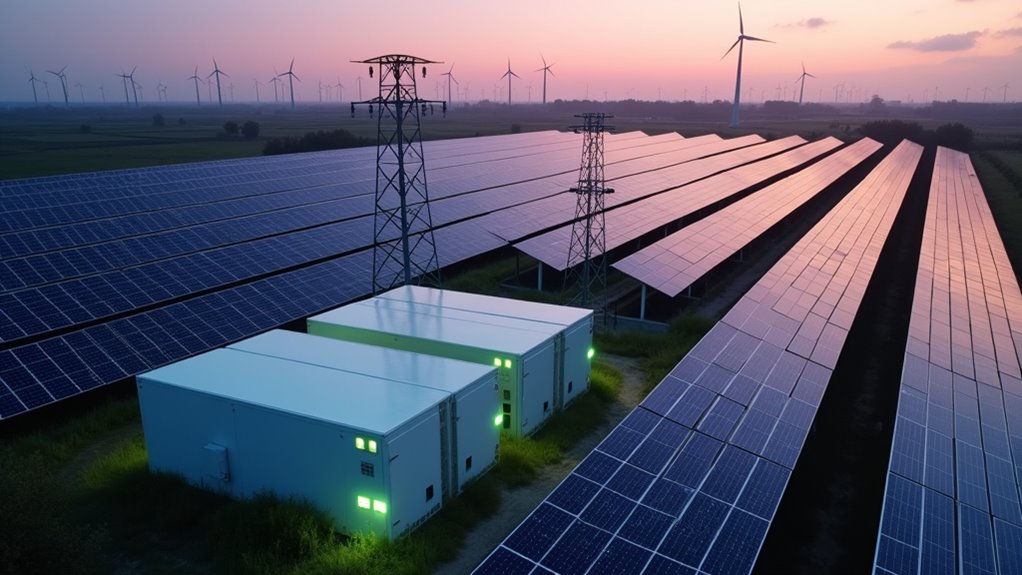
Modern marine technologies are revolutionizing ocean conservation efforts through an integrated approach. Satellite monitoring tracks illegal fishing and ice cap melting, while underwater drones collect essential data on coral reefs and pollution levels. Smart sensor networks provide real-time information about water quality and marine migrations, complemented by citizen science initiatives that multiply monitoring resources. Advanced restoration tools, like 3D-printed coral structures and robotic seagrass planters, actively rebuild damaged ecosystems. These innovations represent just the beginning of technology’s potential to heal our oceans.
As ocean health faces unprecedented challenges from climate change and human activities, a new wave of marine technology is revolutionizing how scientists monitor and protect Earth’s waters. From the depths of the ocean floor to the satellites orbiting above, an array of sophisticated tools is providing unprecedented insight into marine ecosystems and enabling more effective conservation efforts.
Satellite remote sensing has emerged as a powerful ally in ocean protection, tracking everything from sea surface temperatures to illegal fishing vessels. These eyes in the sky measure chlorophyll concentrations that indicate algal blooms, monitor polar ice cap melting, and detect suspicious ship movements that could signal unauthorized fishing activities. The data collected helps scientists understand broad patterns of ocean change while enabling law enforcement to better protect marine resources. With 35% of fish stocks currently overfished globally, this surveillance technology is crucial for sustainable fisheries management.
Advanced satellite monitoring serves as our watchful guardian, tracking ocean temperatures, illegal fishing, and environmental changes to protect marine ecosystems worldwide.
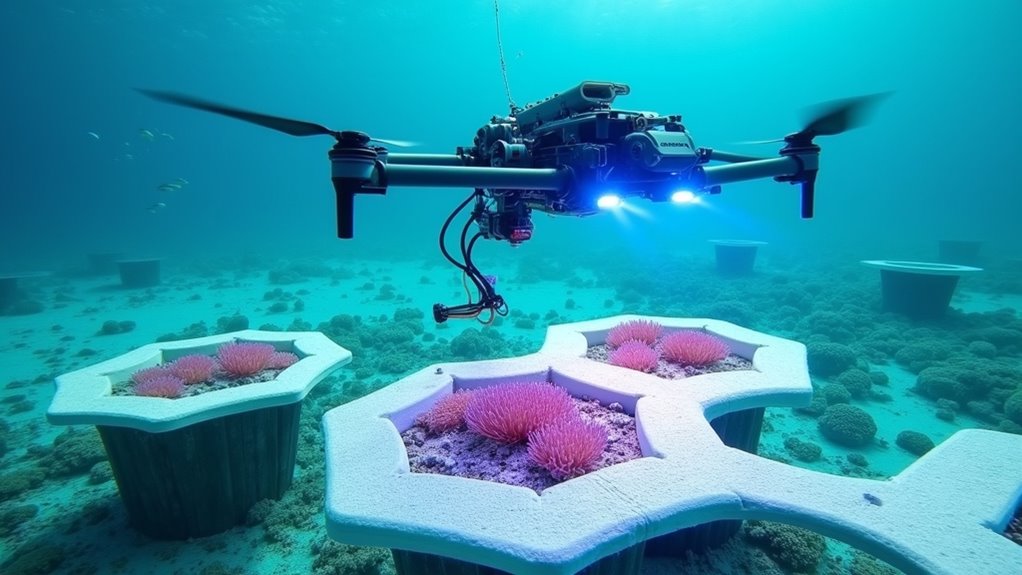
Beneath the waves, underwater drones and remotely operated vehicles (ROVs) serve as mechanical marine biologists, capturing detailed imagery of coral reefs and collecting essential data about ocean health. These robotic explorers take water samples to analyze for pollutants and microplastics, while monitoring fish populations and inspecting underwater infrastructure. Their ability to access extreme depths has opened up new frontiers in marine research and conservation. Career pathways programs in renewable energy education similarly emphasize hands-on experience to prepare professionals for these emerging technologies. These technologies are essential for monitoring the health of marine ecosystems that absorb 90% of heat from carbon dioxide emissions. Initiatives focusing on preserving coral reefs play a vital role in maintaining marine biodiversity and ecosystem services.
Networks of smart sensors deployed throughout the oceans provide real-time data on critical indicators like water quality, pH levels, and noise pollution. These digital sentinels detect harmful algal blooms, track marine mammal migrations, and measure changing ocean currents – creating an early warning system for threats to marine ecosystems. When combined with artificial intelligence, this data helps predict fish stock levels and optimize shipping routes to reduce environmental impacts. The Arctic is warming at rates far exceeding the global average, leading to significant biome shifts that further underscore the importance of these monitoring technologies. Green investments are reaching unprecedented levels, further supporting the development and deployment of these crucial ocean technologies.
Citizen science initiatives are expanding the reach of marine research through mobile apps that enable public participation in ocean conservation. Volunteers contribute valuable data about marine debris, beach erosion, and wildlife behaviors, while also engaging in coral reef monitoring programs. This crowdsourced approach multiplies the eyes and ears watching over our oceans while building public awareness and engagement.
Perhaps most promising are new restoration technologies that actively repair damaged marine environments. 3D-printed coral structures provide new homes for reef organisms, while robotic systems precisely plant seagrass beds. Underwater vacuums remove invasive species, and artificial oyster reefs created from recycled materials help rebuild coastal ecosystems.
These innovations, combined with protected area management tools like GIS mapping and autonomous patrol vehicles, are creating new possibilities for ocean recovery. The convergence of these technologies represents a quantum leap in our ability to understand and protect marine ecosystems.
While the challenges facing our oceans remain formidable, these tools provide hope that with continued innovation and commitment, we can work toward healthier, more resilient oceans for future generations.
Frequently Asked Questions
How Much Does Marine Restoration Technology Typically Cost to Implement?
Marine restoration costs vary dramatically based on location and methods used.
Coral reef restoration ranges from $13,000 per hectare in Tanzania to over $100 million per hectare in Florida. The median cost globally is $80,000 per hectare, while the average is $1.6 million.
Key expenses include vessel use (30%), overhead costs (48%), and outplanting activities (19%).
Projects in developing nations typically cost 30 times less than in developed countries.
What Qualifications Are Needed to Work With Marine Restoration Technologies?
Working with marine restoration technologies requires specific qualifications. A high school diploma is the minimum, but an associate’s or bachelor’s degree in marine technology is preferred.
Specialized certifications from ABYC and hands-on technical training are essential. Key skills include proficiency with marine equipment, understanding of ecosystems, and experience with underwater robotics.
Physical fitness and strong problem-solving abilities are vital, along with excellent communication skills for team collaboration.
How Long Does It Take to See Results From Ocean Restoration Projects?
Ocean restoration results emerge across different timescales depending on the ecosystem. While some immediate benefits appear quickly, full recovery often takes decades.
Oyster reefs show improvements within 3-6 years, while seagrass meadows need 10-20 years to mature.
Deep-sea coral recovery from damage can extend beyond 50 years. Mangrove forests require 15-30 years to provide complete ecosystem services.
Success depends on factors like habitat depth, environmental conditions, and human disturbance levels.
Which Countries Are Leading in Marine Restoration Technology Development?
Several nations are spearheading marine restoration technology development.
The United States leads in AI-powered debris tracking and underwater drone monitoring, while China has invested heavily in high-tech marine ranches and intelligent aquaculture systems.
Norway excels in sustainable fish farming and offshore energy technologies.
Australia stands out for its autonomous underwater vehicles and coral restoration innovations.
These countries’ diverse approaches reflect different priorities in ocean conservation and technological advancement.
Can Marine Restoration Technology Work in Extremely Deep Ocean Environments?
Modern deep-sea restoration technology can operate effectively at extreme depths. ROVs equipped with precision manipulator arms work at 6,000 meters, while specialized coral cutters and sampling tools function in the hadal zone.
Temperature-resistant components withstand hydrothermal conditions up to 400°C. However, challenges remain – pressure damage, limited visibility, and difficult access complicate restoration efforts.
Despite these obstacles, advancing robotics and AI continue improving deep-ocean restoration capabilities.