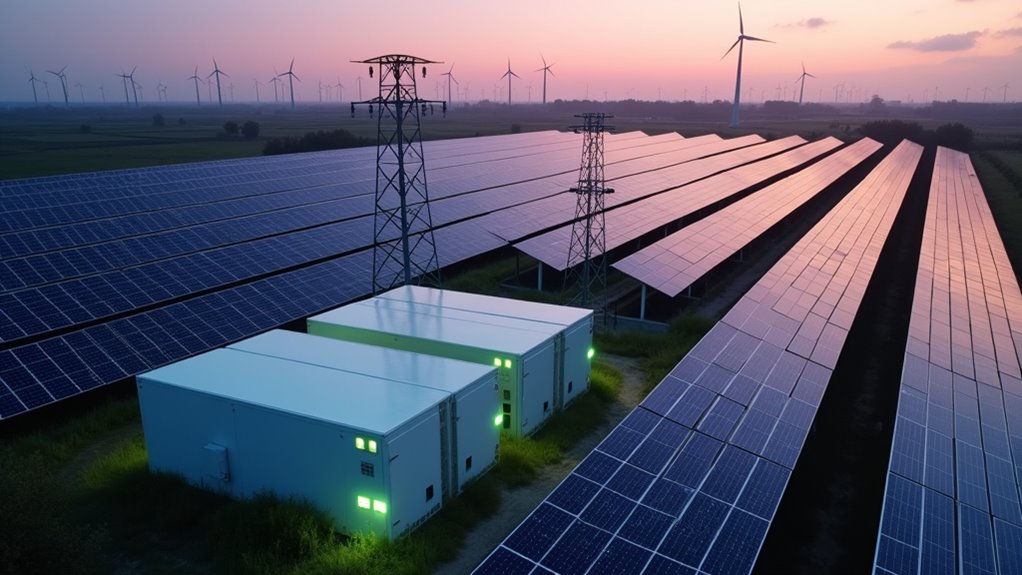

Smart grids and energy storage represent transformative solutions for a sustainable power future. Through digital technology enabling two-way electricity flow, smart grids optimize distribution while storage systems, particularly pumped hydro and batteries, support renewable integration. Global adoption varies, with China achieving full smart meter deployment while developing regions work to modernize infrastructure. With battery costs projected to drop 85% by 2035 and AI-driven innovations emerging, the path to greener power infrastructure grows clearer each day.
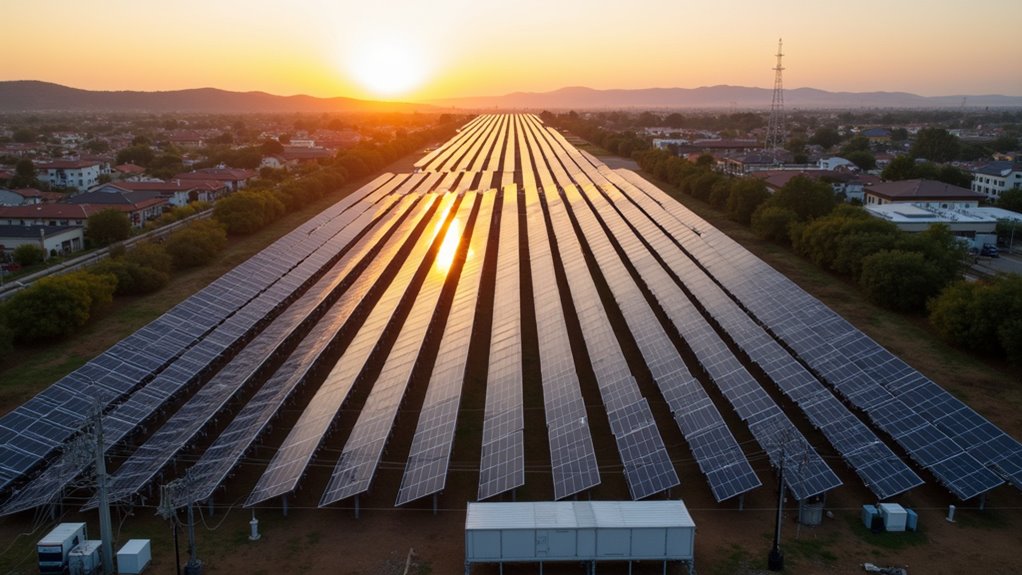
The marriage of smart grids and energy storage technologies represents one of the most notable advances in modern power infrastructure. Through sophisticated digital technology that enables two-way flow of both electricity and information, smart grids are revolutionizing how we produce, deliver, and consume power. The integration of sensors, wireless modules, and advanced metering infrastructure allows for unprecedented real-time monitoring and control of energy systems, while automation capabilities detect faults and optimize electricity flow with minimal human intervention. The implementation of distributed storage solutions helps reduce strain on centralized power systems and enables more efficient energy management.
Smart grids and energy storage unite to transform power systems, enabling intelligent, bidirectional flow of electricity and data across modern infrastructure.
As the world shifts toward renewable energy sources, the synergy between smart grids and energy storage becomes increasingly essential. Storage technologies, ranging from lithium-ion batteries to pumped hydro facilities (which currently account for 95% of global energy storage), help balance the intermittent nature of renewable sources. These systems provide vital services like frequency regulation and peak shaving, while enabling higher penetration of solar and wind power into the existing grid infrastructure. The implementation of demand response initiatives helps reduce energy consumption during peak demand periods. Urban design prioritizing walkability can reduce driving by up to 40%, which further reduces energy demands and complements smart grid efforts.
The economics of these technologies are becoming increasingly favorable. Battery costs are expected to plummet by 79% by 2025, with a further reduction to 85% by 2035. Smart grid investments continue to grow, with a notable 7% increase in 2022 compared to the previous year. The distribution sector leads this transformation, accounting for three-quarters of all grid-related digital infrastructure investment. Public-private partnerships play a crucial role in advancing smart grid technologies and fostering innovation. Additionally, regulatory frameworks and market structures are evolving to support the integration of renewables and ensure grid stability.
Global adoption of smart grid technology varies considerably across regions. China has achieved 100% smart meter deployment, while initiatives like the Western African Power Pool are working to integrate power systems across 14 member countries. However, emerging markets and developing economies still lag in grid modernization efforts, though programs like India’s $100 million Smart Grid Program aim to bridge this gap. In Sub-Saharan Africa, solar mini-grids are emerging as a viable solution to bring electricity access to remote communities.
The integration of these technologies faces several challenges, particularly the “duck curve” phenomenon – the imbalance between energy production and consumption throughout the day. The increasing adoption of electric vehicles adds another layer of complexity to grid management, while the emergence of energy communities and prosumer models requires new approaches to power distribution and control.
Looking ahead, artificial intelligence and predictive analytics are poised to play an increasingly important role in grid management. These technologies will help optimize energy flow, predict maintenance needs, and enable more sophisticated demand response programs. The development of standardized communication protocols and enhanced distribution control systems will be essential for realizing the full potential of smart grids and energy storage solutions.
As these technologies continue to evolve, they’re creating a more resilient, efficient, and sustainable power infrastructure. Through the combination of smart grids and energy storage, utilities can better manage power quality, reduce system losses, and enable consumer participation in energy management, ultimately paving the way for a greener, more reliable electrical grid.
Frequently Asked Questions
How Much Does It Cost to Upgrade Existing Power Grids to Smart Grids?
Upgrading existing power grids to smart grids requires massive investment. In the US alone, estimates range from $338-476 billion over 20 years.
The EU plans to invest €584 billion by 2030, while China has allocated $442 billion for 2021-2025.
Major costs include distribution infrastructure ($50.9 billion), transmission systems ($27.7 billion), and overhead lines ($17.4 billion).
However, these investments could generate benefits worth $1.3-2 trillion through improved efficiency and reliability.
Can Smart Grids Prevent All Types of Power Outages and Blackouts?
Smart grids considerably reduce but cannot prevent all power outages. While advanced monitoring, self-healing capabilities, and automated fault isolation help minimize disruptions, certain events remain beyond their control.
Severe weather, physical infrastructure damage, and large-scale natural disasters can still cause blackouts. However, smart grids demonstrably improve recovery times – as seen when CenterPoint Energy avoided 41 million outage minutes during Hurricane Harvey and ConEd prevented 250,000 customer outages.
What Happens to Stored Energy in Batteries if They’re Damaged or Malfunction?
Damaged or malfunctioning batteries can trigger several hazardous scenarios.
Thermal runaway can cause uncontrolled heat release, leading to fires and toxic gas emissions. Chemical leakage may release corrosive substances and heavy metals into the environment. The stored energy can discharge violently through fires or explosions.
However, modern safety systems like thermal barriers, monitoring tech, and specialized fire suppression help minimize these risks when properly implemented.
How Long Do Modern Grid-Scale Energy Storage Systems Typically Last?
Modern grid-scale energy storage systems have varying lifespans depending on the technology used.
Lithium-ion batteries typically last 10-15 years with 2,000-8,000 charge cycles, while flow batteries can operate for up to 20 years with over 10,000 cycles.
Pumped hydro storage facilities show remarkable longevity, functioning for 50+ years.
Lead-acid batteries have shorter lifespans of 3-5 years.
Regular maintenance and ideal operating conditions greatly impact these timeframes.
Are There Cybersecurity Risks Associated With Implementing Smart Grid Technology?
Smart grid technology faces significant cybersecurity risks due to its interconnected nature.
Vulnerabilities include weak authentication in IoT devices, legacy system integration gaps, and increased attack surfaces.
Common threats range from DDoS attacks and malware to data manipulation and unauthorized access.
However, robust security measures like encryption, network segmentation, and AI-powered monitoring can effectively protect against these risks when properly implemented and maintained.