
Protecting against wildfire smoke requires a multi-layered approach. Stay indoors with windows closed and air conditioning on recirculate mode. Use HEPA air purifiers and properly fitted N95 masks when outside is necessary. Monitor local AQI levels through AirNow.gov and limit outdoor activities when readings exceed 100. Keep emergency supplies ready, including medications and water. People with respiratory conditions should take extra precautions. Understanding these strategies opens the door to thorough smoke safety measures.
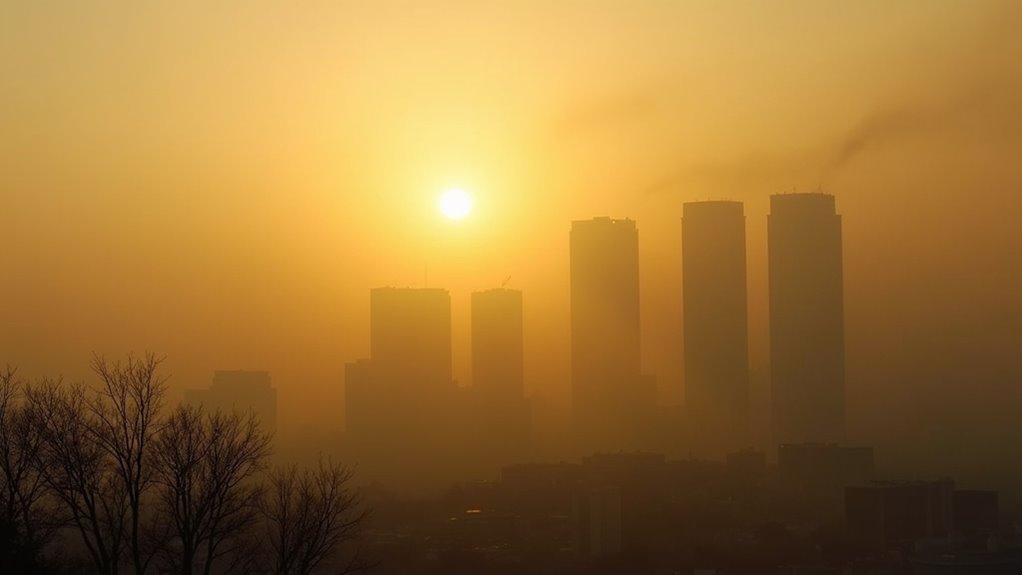
Millions of Americans face increasing exposure to wildfire smoke each year as climate change fuels longer and more intense fire seasons across the country. As smoke plumes travel hundreds of miles from their source, even people far from active fires need to take precautions to protect their health from harmful particulate matter. Monitoring air quality has become essential for making informed decisions about outdoor activities. The Environmental Protection Agency’s AirNow.gov website and local air quality apps provide real-time Air Quality Index (AQI) readings. When the AQI exceeds 100, people should limit time outdoors and avoid strenuous physical activity. Fire.AirNow.gov offers specific information about smoke conditions, while emergency alerts from local authorities provide critical updates. Understanding that air pollution can also come from natural sources like wildfires is key to developing effective solutions. Given the importance of water conservation, managing resources effectively is essential during wildfire season, as firefighting efforts often rely heavily on water supplies.
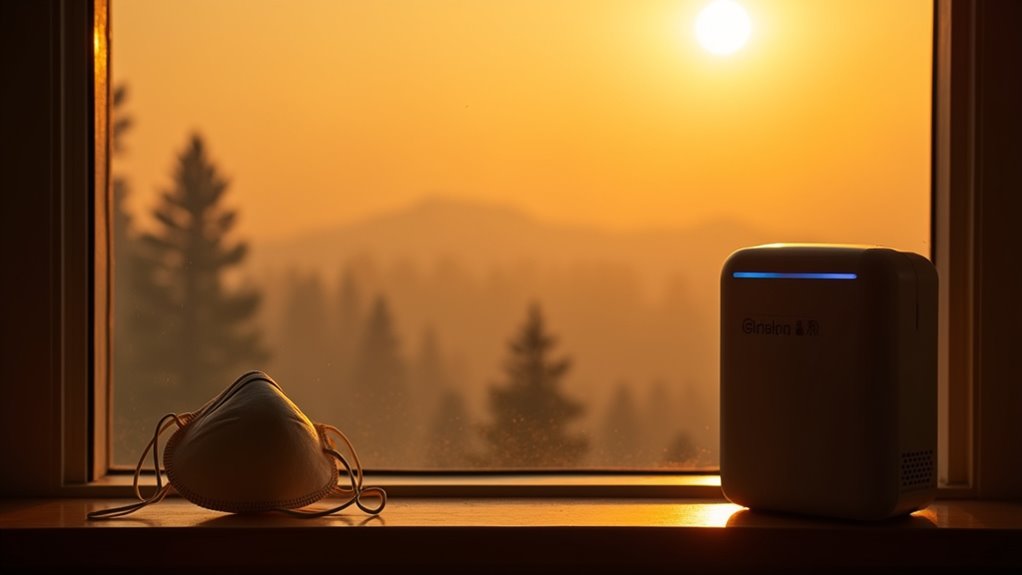
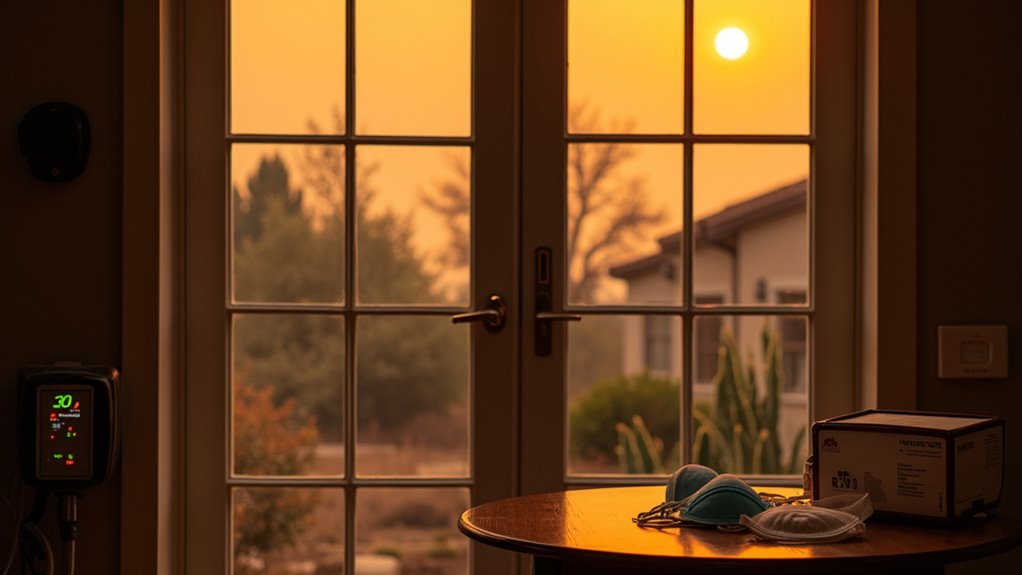
Creating a clean air environment at home serves as a key defense against smoke exposure. Residents should keep windows and doors closed while running air conditioning on recirculate mode. HEPA air purifiers effectively remove smoke particles from indoor air, particularly when concentrated in a designated “clean room” with minimal windows. It’s important to avoid activities that generate additional indoor pollutants, such as burning candles or frying foods. Extreme weather events, exacerbated by climate change, can further compromise indoor air quality during fire season.
Proper respiratory protection requires specific types of masks. While cloth masks offer little protection against smoke particles, properly fitted N95 or KN95 masks can effectively filter out harmful particulates. However, individuals with pre-existing conditions should consult healthcare providers before using any mask, as they can make breathing more difficult for some people. Certain groups face heightened risks from smoke exposure, including children, older adults, pregnant individuals, and those with respiratory or heart conditions. These vulnerable populations should take extra precautions, including staying indoors during poor air quality events or evacuating if possible.
Having a five-day supply of medications and checking on at-risk neighbors helps promote community safety. Home and vehicle preparation plays an important role in smoke readiness. Installing high-efficiency HVAC filters rated MERV 13 or higher helps clean indoor air. Emergency kits should contain enough supplies for 72 hours, while portable air cleaners provide backup protection. Keeping vehicles fueled and maintained guarantees quick evacuation if necessary.
Staying informed and maintaining good health practices helps minimize smoke impacts. Following local emergency management instructions, staying hydrated, and avoiding additional lung irritants like tobacco smoke are essential steps. People should familiarize themselves with smoke exposure symptoms, including coughing and difficulty breathing, and seek prompt medical attention if symptoms worsen. While wildfire smoke presents serious health risks, taking proactive steps can greatly reduce exposure and protect wellbeing during smoke events. According to the Air Quality Index (AQI), a reading over 100 indicates that air quality is unhealthy for sensitive groups and requires precautions.
Frequently Asked Questions
Can Wildfire Smoke Trigger Long-Term Respiratory Problems in Healthy Adults?
Research shows that prolonged or repeated exposure to wildfire smoke can cause lasting respiratory issues, even in previously healthy adults.
Studies have documented reduced lung function persisting 2-4 years after major wildfire events. The tiny PM2.5 particles in smoke can trigger chronic inflammation and tissue damage.
While individual impacts vary based on exposure levels and personal susceptibility, the cumulative effects of multiple smoke exposures may lead to permanent respiratory changes.
How Far Can Dangerous Levels of Wildfire Smoke Travel From Its Source?
Dangerous levels of wildfire smoke can travel remarkably far from their source – often thousands of miles.
Recent studies show smoke particles can reach altitudes of 60,000 feet and cross continents.
In 2023, Canadian wildfires severely impacted air quality in New York City, over 500 miles away.
Smoke from Western U.S. fires regularly affects the entire country, traveling at speeds up to 130 kilometers per hour through upper atmospheric currents.
What Age Groups Are Most Vulnerable to Wildfire Smoke Exposure?
Young children (ages 0-4) and older adults (65+) face the highest health risks from wildfire smoke exposure.
Children are especially vulnerable due to their developing lungs, faster breathing rates, and deeper particle penetration.
Seniors often have pre-existing conditions and weakened physiological defenses that increase their susceptibility to smoke-related complications.
Pregnant women also face significant risks, as smoke exposure can impact fetal development and increase chances of preterm birth.
Does Wildfire Smoke Affect Indoor Air Quality Even With Windows Closed?
Yes, wildfire smoke greatly impacts indoor air quality even with windows closed.
Smoke particles as tiny as 0.4 microns can infiltrate homes through small cracks, gaps around windows and doors, and HVAC systems.
Studies show indoor PM2.5 levels often reach 50-70% of outdoor concentrations during wildfire events, even in sealed buildings.
The smoke particles can deposit on surfaces and continue off-gassing harmful compounds for weeks after the initial exposure.
Can Wildfire Smoke Damage Pets and Livestock as Much as Humans?
Yes, animals can be just as vulnerable to wildfire smoke as humans, sometimes even more so.
Birds and small mammals are particularly susceptible due to their faster breathing rates, which means they inhale more harmful particles.
Pets with existing health conditions, senior animals, and flat-faced dog breeds face higher risks.
Livestock can also suffer respiratory distress and reduced appetite.
However, proper indoor protection and monitoring can effectively safeguard most animals.