Natural disasters like earthquakes, hurricanes, floods, and volcanic eruptions devastate communities worldwide, claiming up to 50,000 lives annually. These catastrophic events have increased fivefold since 1979, with over 300 disasters recorded yearly since 1998. The impacts extend beyond immediate physical damage, causing long-term psychological trauma and economic hardships, particularly in lower-income countries. Modern technology and early warning systems help communities prepare, while nature-based solutions offer hope for building resilience. Understanding these disasters reveals essential strategies for survival.

Mother Nature’s fury manifests in numerous ways across our planet, leaving profound impacts on human societies, economies, and ecosystems. From devastating earthquakes and volcanic eruptions to destructive hurricanes and floods, natural disasters continue to shape our world with increasing frequency. Since 1979, the occurrence of these catastrophic events has multiplied fivefold, with over 300 disasters now recorded annually since 1998. Coastal areas, in particular, should maintain hurricane and storm surge preparedness to mitigate potential loss and ensure a faster recovery.
Natural disasters strike with intensifying force and frequency, reshaping our world and threatening communities with unprecedented challenges.
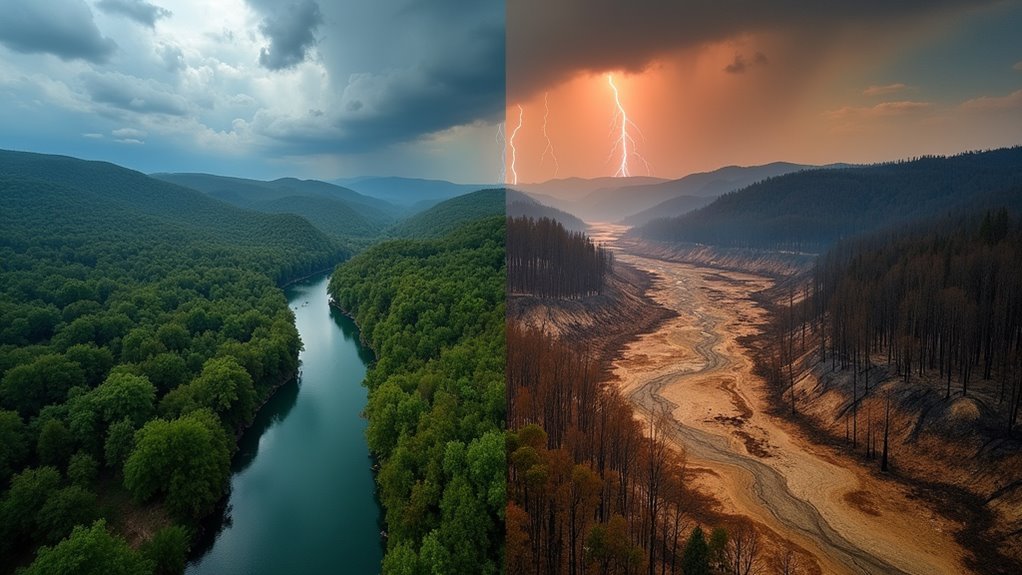
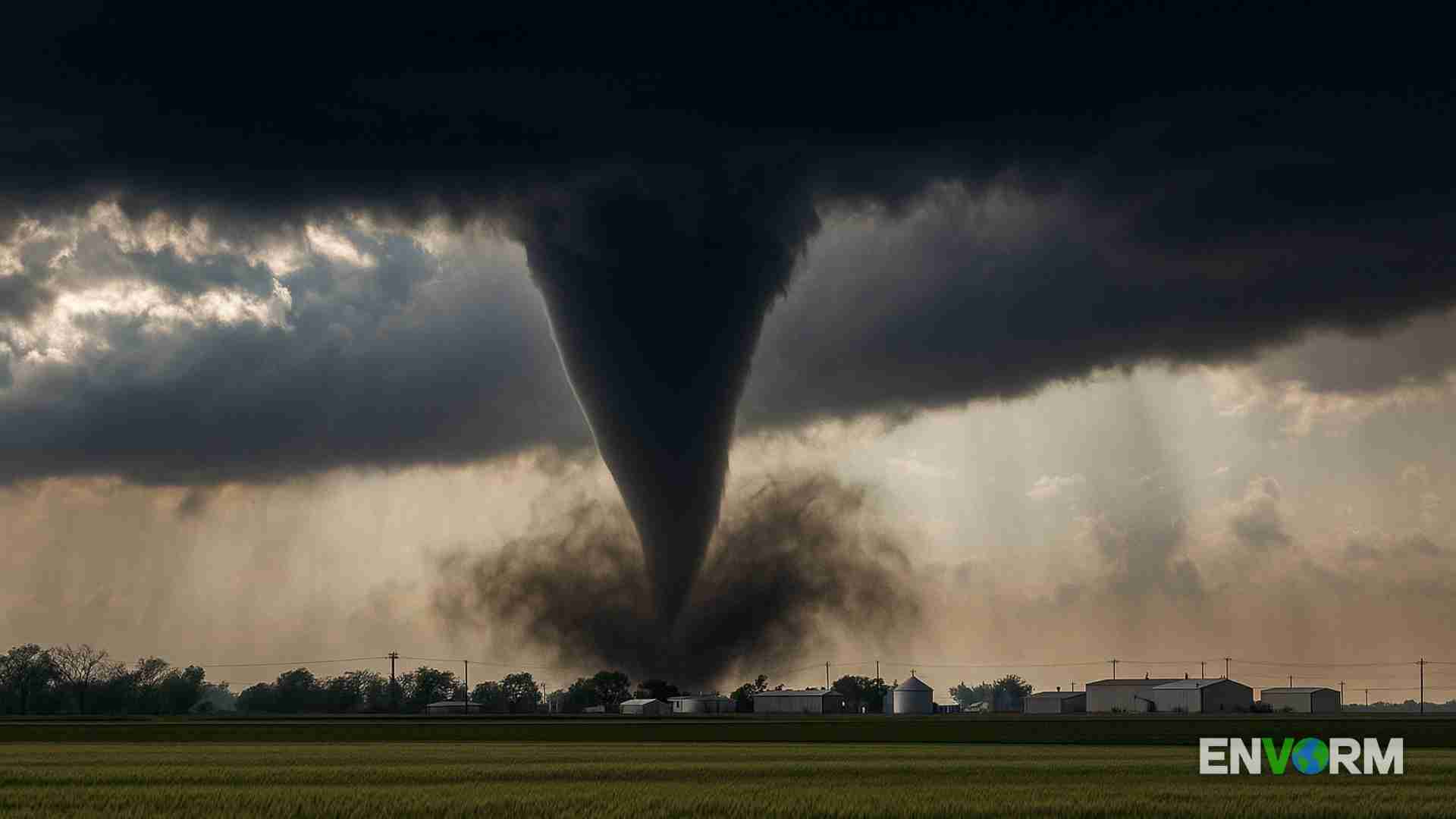
The spectrum of natural disasters spans geological, meteorological, and biological events. Earthquakes shake the ground beneath our feet, while volcanic eruptions spew molten rock and toxic gases into the atmosphere. Coastal regions face the dual threats of hurricanes and tsunamis, while inland areas contend with tornadoes and severe storms. Climate-related disasters like wildfires, droughts, and heat waves have become more frequent and intense due to global climate change, affecting regions that historically hadn’t experienced such events. These events are particularly destructive near the Indo-Australian and Eurasian plate boundaries, where seismic activity is most concentrated. Tsunamis generated by underwater disturbances can reach heights of up to 80 feet and devastate coastal communities. Rising sea levels are expected to pose a significant threat to billions of people by 2070.
The human toll of these disasters is staggering, claiming between 40,000 and 50,000 lives each year. Millions more find themselves displaced from their homes, facing not only physical hardships but also considerable emotional and psychological challenges. The impact extends far beyond immediate casualties, as survivors often struggle with anxiety, depression, and post-traumatic stress that can persist for years after the event. Implementing effective strategies for wildfire prevention and response can significantly reduce damage and loss, contributing to the overall resilience of affected communities.
Economic consequences ripple through affected regions, with particularly severe impacts on lower-income countries. Infrastructure damage, destruction of capital assets, and agricultural losses can cripple local economies for years. The environmental toll is equally severe, as natural disasters destroy habitats, disrupt wildlife populations, and alter landscapes. These events can trigger long-lasting ecological imbalances that affect biodiversity and ecosystem stability. Incorporating nature-based solutions for resilience can mitigate environmental damage and help restore ecological balance.
However, technological advances have notably improved our ability to predict and respond to natural disasters. Modern weather forecasting, satellite monitoring, and GIS mapping technologies enable more accurate predictions and better-coordinated response efforts. Social media platforms have become vital tools for disseminating emergency information and coordinating relief efforts, while AI and machine learning enhance risk assessment capabilities.
The key to reducing disaster impacts lies in preparation and adaptation. Early warning systems have proven effective in reducing casualties, while improved infrastructure increases community resilience. Education and preparedness programs help communities understand and respond to risks effectively. As climate change continues to influence weather patterns and disaster frequency, developing robust adaptation strategies becomes increasingly essential.
Despite these challenges, communities worldwide demonstrate remarkable resilience in the face of natural disasters. Through coordinated response efforts, technological innovation, and improved disaster management strategies, societies are learning to better predict, prepare for, and recover from these devastating events. While we cannot prevent all natural disasters, we can work to minimize their impact and build more resilient communities for the future.
Frequently Asked Questions
How Can Pets Be Protected During Natural Disasters?
Pet safety during natural disasters requires advance preparation and swift action.
Owners should create emergency kits with food, water, and medications lasting 3-7 days. Having updated identification, including microchips and collar tags, is essential.
When disaster strikes, pets should be brought indoors immediately and secured in carriers.
A practiced evacuation plan, including pet-friendly shelter locations and a buddy system with neighbors, guarantees smooth execution during emergencies.
What Essential Documents Should Be Included in an Emergency Evacuation Kit?
Essential documents for an evacuation kit should include identification papers like driver’s licenses, passports, and birth certificates.
Financial records such as bank statements, insurance policies, and property deeds are essential.
Medical information including health insurance cards, medication lists, and immunization records must be included.
Other important items are emergency contacts, recent family photos, vehicle registration, and educational records.
Store copies digitally and keep originals in waterproof containers.
How Do Natural Disasters Affect Mental Health in the Long Term?
Natural disasters can have severe, lasting impacts on mental health. Research shows 5-10% of survivors require clinical care for PTSD, while many experience prolonged anxiety and depression.
Risk factors include previous trauma, limited social support, and being female. Children, elderly, and first responders are particularly vulnerable.
However, strong community connections, regular self-care practices, and early interventions can help mitigate these effects and promote recovery.
Which Areas Globally Are Least Prone to Major Natural Disasters?
Several regions globally stand out for their minimal exposure to natural disasters.
Monaco and Andorra lead with the lowest disaster risk index of 0.26%, followed by San Marino at 0.38%. The United Arab Emirates benefits from its stable geographic location, while Saudi Arabia maintains a relatively low 9.64% risk index.
In the United States, cities like Detroit, El Paso, and Richmond consistently rank among the safest from natural hazards due to their inland locations and stable climate patterns.
How Do Natural Disasters Impact the Global Economy and Financial Markets?
Natural disasters greatly impact the global economy through direct damage costs and ripple effects across financial markets.
In 2024 alone, these events caused $368 billion in losses, with tropical cyclones leading at $145 billion. While wealthy nations typically recover quickly, low-income countries face severe economic challenges.
Markets respond with increased volatility, reduced cross-border lending, and disrupted supply chains.
However, reconstruction efforts can paradoxically boost GDP through increased spending and infrastructure renewal.