
Ecological citizenship redefines how people interact with the environment in today’s interconnected world. It combines individual actions like conscious consumption with broader community engagement in conservation and policy reform. Through environmental education and hands-on experiences, citizens develop the skills to address both local and global challenges. While systemic changes are essential, personal responsibility remains key – from participating in citizen science to supporting sustainable initiatives. The journey toward true ecological citizenship reveals deeper connections between humanity and nature.
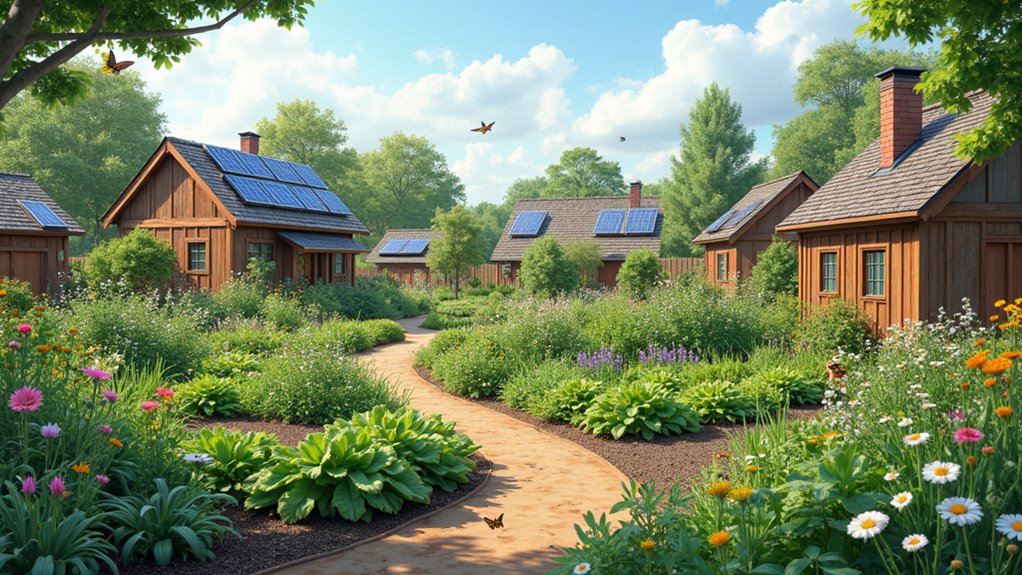
What does it truly mean to be an environmentally conscious citizen in today’s interconnected world? As global environmental challenges escalate, the concept of ecological citizenship has emerged as a framework for understanding our responsibilities to both the planet and future generations. This modern interpretation of citizenship extends beyond traditional national borders, recognizing that environmental issues know no boundaries and require collective action at local, national, and global scales.
Ecological citizenship demands a fundamental shift in how individuals view their relationship with nature and their role in society. It encompasses both private actions, such as reducing one’s ecological footprint through sustainable consumption choices, and public engagement through policy advocacy and community initiatives. Citizens must recognize the deep interconnectedness between human communities and natural ecosystems, understanding that damage to one inevitably affects the other. Moreover, environmental education is crucial in empowering citizens with the knowledge and skills needed to tackle climate and ecological challenges effectively. Public awareness campaigns are vital in fostering water conservation education, which can inspire lasting impact across generations.
Being an ecological citizen means reshaping our bond with nature while taking meaningful action in both private and public spheres.
The practical application of ecological citizenship involves multiple dimensions of responsibility. This includes making conscious consumer choices, participating in local conservation efforts, and supporting environmental policy reform. Environmental citizens actively work toward a carbon-neutral future through their everyday decisions and long-term planning. Citizens are increasingly expected to engage in activities like community gardening, waste reduction programs, and citizen science projects that monitor environmental changes. These actions reflect a growing awareness that environmental stewardship requires both individual commitment and collective mobilization. To gauge the impact of education programs on environmental knowledge and behavior, various tools and strategies are employed to ensure their effectiveness. Empowering sustainability through education policy is essential in creating a standard framework for ecological citizenship, ensuring accessibility and inclusivity in environmental learning.
However, the concept faces several significant challenges. There’s a risk of reinforcing colonial mindsets that ignore traditional ecological knowledge and Indigenous wisdom. Additionally, focusing too heavily on individual actions might detract from addressing systemic issues that require institutional change. The unequal distribution of environmental impacts across different communities adds another layer of complexity to the pursuit of ecological citizenship.
Education plays a vital role in developing effective ecological citizens. Environmental literacy, critical thinking skills, and practical knowledge about sustainable practices are essential components of this educational process. Intergenerational learning and hands-on experience with local ecosystems help create lasting connections between citizens and their natural environment.
Looking ahead, ecological citizenship continues to evolve. Legal frameworks are beginning to recognize the rights of nature, while new metrics are being developed to assess environmental citizenship’s effectiveness. The integration of ecological principles into formal education systems is gaining momentum, though there’s still much work to be done.
The future of ecological citizenship lies in finding ways to balance individual action with systemic change, while ensuring that environmental protection efforts are inclusive and equitable. The path forward requires citizens who are both informed and empowered to act.
While the challenges are significant, the growing global awareness of environmental issues suggests that ecological citizenship is not just an ideal but an increasingly necessary approach to addressing our planet’s environmental crisis. Through collective action and shared responsibility, ecological citizens can work toward creating a more sustainable and just world for current and future generations.
Frequently Asked Questions
How Can Individuals Measure Their Personal Ecological Footprint Accurately?
Individuals can accurately measure their ecological footprint using online calculators from trusted organizations like the Global Footprint Network or WWF.
These tools analyze key factors including food choices, transportation habits, housing energy use, and consumption patterns. For best results, people should track actual utility bills, travel records, and shopping habits over time, rather than estimating.
Regular updates help capture lifestyle changes and technological improvements that affect environmental impact.
What Role Do Corporations Play in Supporting Ecological Citizenship Initiatives?
Corporations play a pivotal role in ecological citizenship through systematic initiatives and resource allocation. Major companies lead by implementing renewable energy programs, sustainable supply chains, and zero-waste policies.
They engage employees through eco-training and green commuting incentives, while investing in community environmental projects. Their influence extends beyond internal operations to shape supplier practices and consumer behavior, creating ripple effects throughout the broader economic ecosystem.
How Does Ecological Citizenship Differ Across Developing and Developed Nations?
Ecological citizenship manifests distinctly across the development spectrum.
Developing nations prioritize basic environmental needs, resource conservation, and community-based approaches, often linking initiatives to poverty reduction.
Developed nations focus on reducing ecological footprints, implementing advanced technological solutions, and utilizing market-based mechanisms.
While developing countries emphasize adaptation and immediate threats, developed nations concentrate on mitigation strategies and long-term global environmental challenges through established regulatory frameworks.
Can Ecological Citizenship Principles Be Effectively Taught in Schools?
Ecological citizenship principles can be effectively taught in schools through integrated curriculum approaches and experiential learning.
Research shows students grasp these concepts best through hands-on projects, community engagement, and cross-disciplinary instruction.
Success requires proper teacher training, administrative support, and partnerships with local organizations.
While implementation challenges exist, schools worldwide demonstrate that ecological citizenship education develops informed, active environmental stewards when properly resourced and structured.
What Are the Economic Impacts of Transitioning to Ecological Citizenship Practices?
Shifting to ecological citizenship practices creates both economic challenges and opportunities.
Initial costs include renewable infrastructure investments and potential job losses in fossil fuel sectors. However, long-term benefits emerge through green job creation, reduced healthcare expenses from improved air quality, and energy cost savings.
The change impacts multiple sectors, from agriculture to manufacturing, while driving innovation and new market opportunities.
Regional economies may experience different adjustment periods during this alteration.