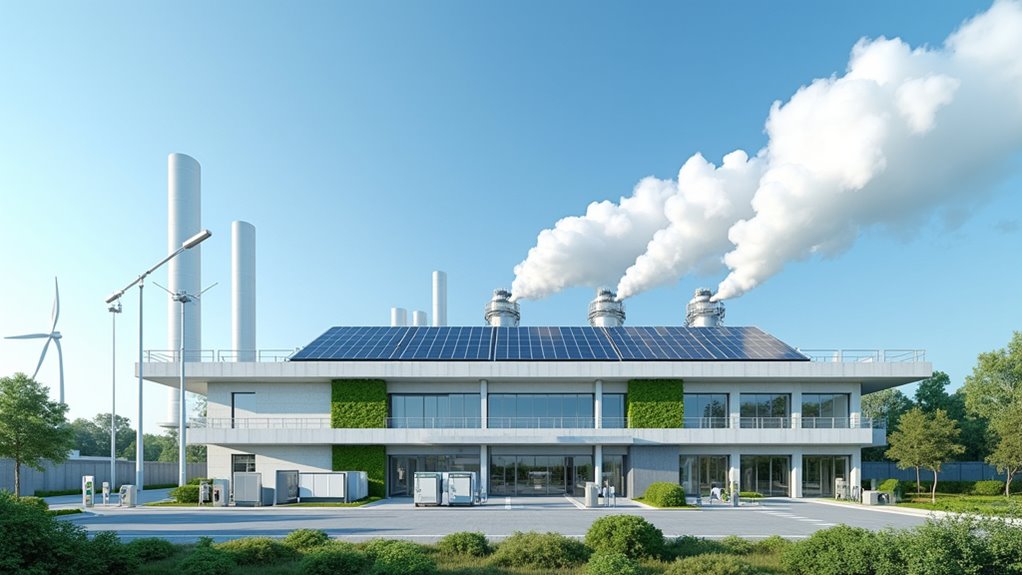
Water conservation education stands at the forefront of today’s environmental challenges. Research shows that early intervention through schools creates lasting conservation habits, while interactive programs and technological innovations help students grasp water’s crucial role in sustaining life. These initiatives reduce strain on infrastructure, lower energy costs, and equip young people to tackle growing water scarcity issues. With climate change intensifying pressure on global water resources, understanding conservation becomes essential for developing real-world solutions that will shape our future.
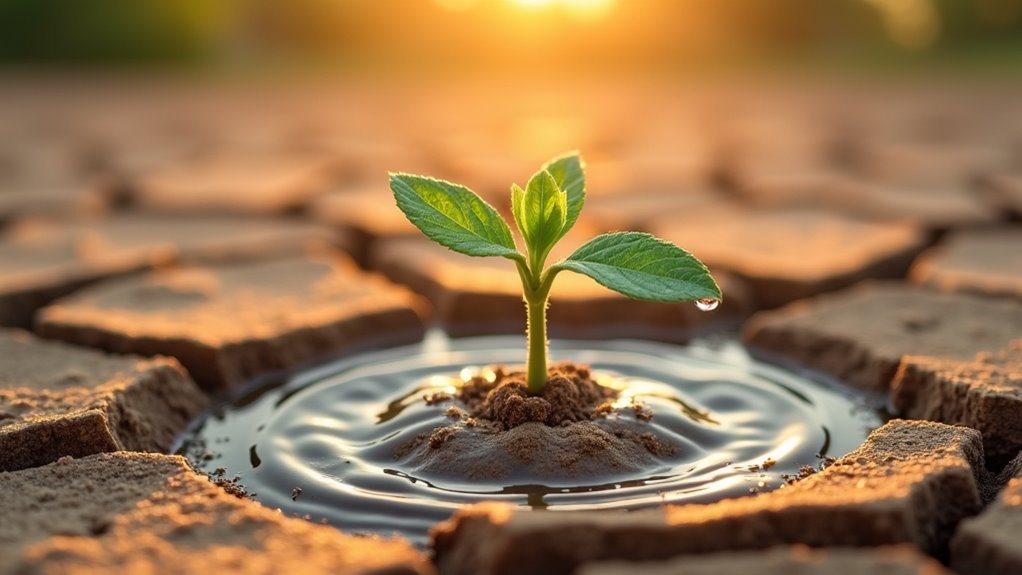
As global water resources face mounting pressure from climate change and population growth, water conservation education has emerged as a critical tool for securing a sustainable future. Research consistently demonstrates that students exposed to extensive water education programs develop stronger conservation habits that persist throughout their lives, making early intervention through schools particularly impactful in addressing looming water scarcity challenges.
The implementation of water conservation education yields tangible benefits for both communities and individuals. Interactive curricula and hands-on activities have proven especially effective at fostering behavioral change, leading to reduced water bills, decreased strain on infrastructure, and lower energy consumption associated with water treatment. When students engage with real-world applications through field trips and collaboration with local utilities, they develop a deeper understanding of water’s role in their community’s economic stability and environmental health. Programs effectively engage home surveys to help students identify water-saving opportunities within their households. Water-efficient techniques like drip irrigation can also be incorporated into educational programs to demonstrate practical strategies for conserving water in agriculture. Implementing rainwater harvesting systems serves as a practical demonstration of sustainable water management techniques that can significantly reduce water demand.
Modern technology has revolutionized how water conservation concepts are taught in classrooms. Smart irrigation systems serve as practical teaching tools, while water usage analytics provide concrete data for students to analyze. Virtual reality simulations and specialized apps create immersive learning experiences that make abstract concepts tangible. Studies show that doorhangers and lessons can reduce residential water usage by over 2%. These technological innovations, combined with traditional teaching methods, create a multi-faceted approach that reaches students with diverse learning styles. Urban areas are increasingly adopting green infrastructure to enhance water management, providing real-world examples for students to study and learn from. Global trends in water conservation highlight the importance of water conservation as a necessary component of addressing climate change and ensuring sustainable resource management.
The global nature of water challenges requires education programs that acknowledge both local contexts and international perspectives. Successful initiatives incorporate regional water issues while connecting them to broader sustainability goals. This approach includes traditional and indigenous water management practices, fostering cross-cultural understanding and highlighting the universal importance of water conservation. Programs that adapt to local water challenges while maintaining global awareness prepare students to address water issues at multiple scales.
The long-term societal impact of water conservation education extends far beyond immediate water savings. By creating a water-conscious generation, these programs lay the groundwork for reduced resource competition and improved ecosystem protection. Students who understand the complexities of water management are better equipped to develop innovative solutions and support effective water policies in their future roles as citizens and leaders.
Perhaps most importantly, water conservation education serves as a catalyst for broader environmental awareness and action. When students grasp the interconnected nature of water resources, they often become more engaged in other environmental issues. This ripple effect creates momentum for positive change across multiple sustainability challenges.
Through careful integration into existing curricula and leveraging of new technologies, water conservation education continues to evolve, preparing today’s students to tackle tomorrow’s water challenges with knowledge, creativity, and determination.
Frequently Asked Questions
How Can Businesses Be Incentivized to Implement Water Conservation Practices?
Businesses can be effectively incentivized through a multi-faceted approach combining financial rewards, public recognition, and technical support.
Financial incentives like tax credits, rebates, and reduced water rates provide immediate monetary benefits. Recognition programs boost brand image and customer loyalty. Free expert consultations and water audits offer practical guidance.
Additionally, regulatory advantages such as expedited permitting and relaxed restrictions create compelling reasons for businesses to embrace water conservation practices.
What Role Does Technology Play in Modern Water Conservation Efforts?
Technology plays a transformative role in modern water conservation through multiple innovations.
Smart irrigation systems reduce agricultural water use by up to 50% using AI and sensors to optimize watering schedules. Advanced monitoring technologies enable real-time leak detection and consumption tracking.
AI and big data help predict water demands and optimize distribution networks. Additionally, cutting-edge treatment solutions like nanotechnology-based purification and greywater recycling systems maximize water reuse potential.
How Do Different Climate Zones Affect Water Conservation Strategies?
Climate zones greatly shape water conservation approaches.
Arid regions prioritize xeriscaping and drip irrigation to minimize water loss, while tropical areas focus on managing excess rainfall through stormwater systems.
Temperate zones require flexible strategies that adapt to seasonal changes, implementing smart irrigation technologies.
Polar regions concentrate on protecting limited freshwater sources from contamination and managing increased water flow from melting ice.
Each zone demands unique solutions tailored to its specific environmental challenges.
Can Water Conservation Efforts Impact Local Property Values?
Research shows water conservation efforts can greatly boost local property values. Homes with water-saving features typically sell for 0.28% to 0.78% higher than comparable properties.
A $250,000 home could gain up to $1,950 in value by implementing green infrastructure. Additionally, LEED-certified buildings command a 4% premium over traditional construction.
Properties demonstrating sustainable water practices consistently attract environmentally conscious buyers, with 62% of consumers preferring eco-responsible properties.
What Are the Economic Benefits of Investing in Water Conservation Infrastructure?
Investing in water conservation infrastructure delivers substantial economic returns across multiple sectors.
The investment gap closure generates $220 billion in annual economic activity and creates 1.3 million high-wage jobs. Every $1 million invested produces up to 15 new positions.
Utilities save hundreds of millions in capital costs, while businesses preserve $90 billion in annual sales.
Additionally, consumers benefit from lower utility bills and reduced energy costs associated with water treatment.