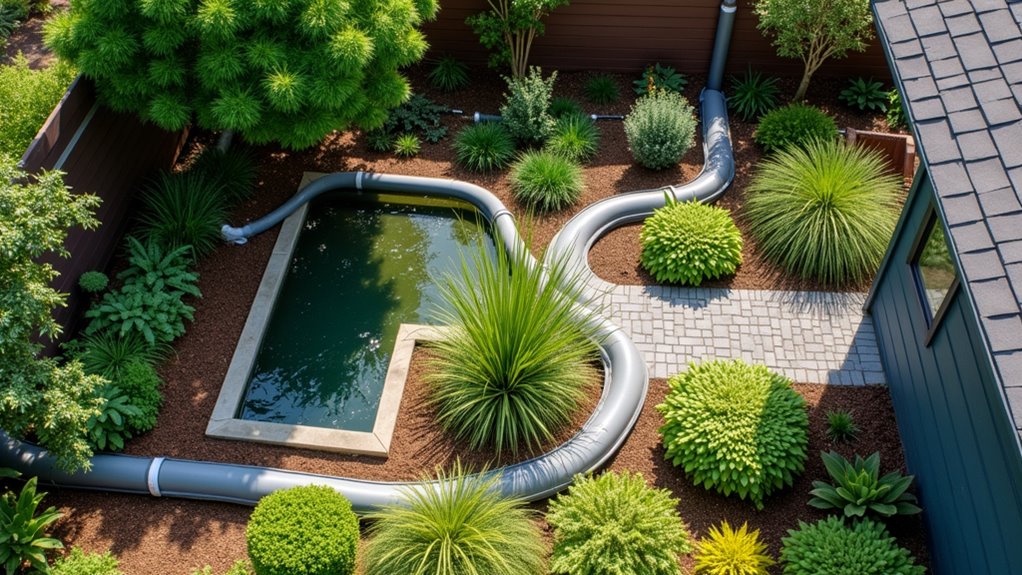
Rainwater harvesting systems capture, filter, and store precipitation from rooftops, offering a sustainable water management solution. A 1,000-square-foot roof collects roughly 600 gallons per inch of rainfall, which flows through gutters and filters before reaching storage tanks. These systems reduce dependence on municipal supplies, lower water bills, and help manage stormwater runoff. With a 90% efficiency rate and growing market value of $890.2 million, this ancient-meets-modern technology provides water security in an increasingly unpredictable climate.

Rainwater harvesting systems represent one of the most practical and cost-effective solutions for sustainable water management in both residential and commercial settings. These ingenious systems capture, filter, and store rainwater from rooftops, providing an alternative water source for various household and commercial uses. At their core, these systems consist of several essential components working together: a catchment area (typically a roof), gutters and downspouts for conveyance, filtration mechanisms, and storage tanks or cisterns.
The process begins when rain falls on the catchment area. A typical 1,000-square-foot roof can collect approximately 600 gallons of water from just one inch of rainfall, demonstrating the remarkable potential for water collection. The water then flows through gutters and downspouts, where it encounters the first line of defense against contaminants – screens and filters that remove leaves, debris, and other unwanted materials. Many systems also incorporate first flush diverters, which redirect the initial burst of potentially contaminated rainwater away from storage. Regular maintenance of debris-free gutters and proper installation significantly enhance the quality of collected rainwater. The lack of chlorine in harvested rainwater makes it better for plants and landscaping applications.
The filtered water flows into storage tanks, which come in various materials and sizes depending on specific needs and local conditions. These tanks, whether installed above ground or underground, can be interconnected to increase capacity and must be properly sealed and vented to maintain water quality. Some systems include pumps to guarantee adequate pressure for distribution, particularly in applications requiring consistent water pressure. Policies supporting water conservation efforts can further improve water security by encouraging the use of rainwater harvesting systems. Notably, inspiring global success stories in water conservation demonstrate the effectiveness of these systems in reducing water waste and promoting sustainable practices.
The global market for rainwater harvesting, currently valued at $890.2 million, continues to grow as more property owners recognize its numerous benefits. These systems reduce dependence on municipal water supplies, leading to lower water bills and conservation of natural resources. They provide naturally soft water that’s ideal for irrigation and various non-potable uses, while also helping manage stormwater runoff and reduce erosion in urban areas. In the face of climate change, water conservation becomes even more significant, highlighting the global importance of adopting such systems. Altered precipitation patterns due to rising temperatures further emphasize the need for systems that can support sustainable water use.
System efficiency typically reaches around 90% for most roof types, though actual performance depends on various factors including roof material, maintenance, and local rainfall patterns. Regular maintenance is vital for peak operation – filters need cleaning, tanks require inspection, and water quality should be monitored, especially if intended for potable use.
The economic and environmental impacts of these systems extend beyond individual properties. By reducing strain on municipal water infrastructure and helping recharge groundwater through properly managed overflow, rainwater harvesting contributes to community-wide water security. During droughts or water restrictions, these systems provide valuable water independence, while their installation costs are typically offset by long-term savings on water bills.
As climate patterns become increasingly unpredictable and water scarcity concerns grow, rainwater harvesting systems offer a practical solution that combines ancient wisdom with modern technology. Their implementation represents a significant step toward sustainable water management, proving that sometimes the most effective solutions are literally falling from the sky.
Frequently Asked Questions
How Much Money Can I Save Annually by Installing a Rainwater System?
Annual savings from rainwater systems vary based on several factors but typically range from $420-$600 per year.
Homeowners can expect a 40-50% reduction in water bills, with peak savings of around $35/month during summer.
The initial investment of $100-$6,000+ usually pays for itself within 2-5 years.
Local rainfall, roof size, and municipal water rates significantly impact potential savings.
Additional benefits include reduced energy costs and possible tax incentives.
What Permits Do I Need Before Installing a Rainwater Harvesting System?
Required permits vary by location but typically include building permits for construction, plumbing permits for system connections, and electrical permits if pumps are involved.
Some areas require environmental permits, especially for large systems. To start, contact the local building department to determine specific requirements.
Submit detailed plans, site layouts, and water quality test results if intended for drinking. Most jurisdictions require regular inspections after installation to guarantee ongoing compliance.
Can Harvested Rainwater Be Used for Drinking Purposes?
Yes, harvested rainwater can be used for drinking, but proper treatment is vital.
Raw rainwater contains contaminants and pathogens that require multiple treatment steps before consumption. A thorough system should include first flush diverters, filtration, and disinfection (UV or chlorination).
Regular water quality testing is essential to guarantee safety.
While initial setup costs are significant, treated rainwater can provide a reliable, independent drinking water source when properly managed.
How Often Should Rainwater Collection Systems Be Maintained and Cleaned?
Rainwater collection systems require regular maintenance to function efficiently.
Key tasks include cleaning gutters and filters 2-4 times yearly, monthly checks of first flush diverters, and annual professional inspections.
Filter media needs replacement every 1-2 years, while storage tanks should be cleaned every 15-20 years.
UV bulbs must be changed annually, and sediment filters require attention every 3-6 months.
Seasonal maintenance should be adjusted based on local climate conditions.
Will My Homeowner’s Insurance Cover Damages Related to Rainwater Harvesting Equipment?
Standard homeowner’s insurance typically doesn’t automatically cover rainwater harvesting equipment.
However, coverage may be available through equipment breakdown endorsements or special riders. Key components like tanks, pumps, and filtration systems should be specifically listed.
Damage caused by system malfunctions affecting other property might be covered under liability coverage.
It is crucial to review policies carefully and discuss coverage options with an insurance agent.