

Simple household changes can greatly reduce water consumption. Installing low-flow showerheads saves 2,900 gallons yearly, while fixing dripping faucets prevents wasting 3,000 gallons annually. Basic habits like five-minute showers, turning off taps while brushing teeth, and running full appliance loads make a major difference. Smart landscaping with native plants and early morning watering further conserves water. These practical steps lead to substantial water and cost savings, with many more solutions awaiting discovery.
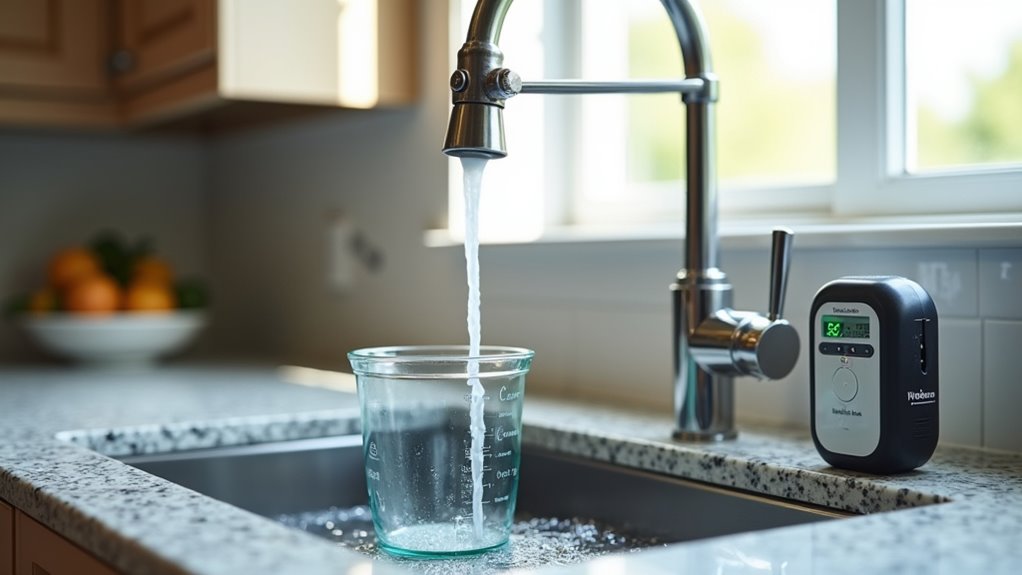
As water resources become increasingly precious worldwide, homeowners can make a notable impact through simple yet effective conservation measures at home. The installation of water-efficient fixtures represents one of the most impactful ways to reduce consumption, with low-flow showerheads alone capable of saving up to 2,900 gallons yearly. Dual-flush toilets slash restroom water usage by an impressive 67%, while WaterSense labeled models can save a family of four approximately $90 annually on their water bills. Installing faucet aerators can reduce water flow by at least 20% while maintaining adequate pressure. The importance of water conservation extends beyond individual savings, as it plays a critical role in addressing global water scarcity issues linked to climate change.
Addressing leaks proves essential in water conservation efforts. A single dripping faucet wastes over 3,000 gallons annually – an amount that could fill a small swimming pool. Homeowners can easily detect toilet leaks using food coloring and monitor overall consumption through water meters. Modern leak detectors provide real-time alerts, helping catch problems before they become costly disasters. The integration of smart metering into home water systems can further aid in reducing waste by providing detailed usage data and enabling timely corrective actions.
Simple changes in daily habits yield notable results. Taking showers under 5 minutes can conserve up to 1,000 gallons monthly, while turning off the tap while brushing teeth saves 25 gallons in the same period. In the kitchen, running full loads in dishwashers and washing machines maximizes efficiency. Instead of rinsing dishes before loading them, scraping food residue proves just as effective and saves considerable water. With the average U.S. resident using 170 gallons per day, there’s significant room for improvement in daily water consumption habits. Government policies on water play a crucial role in supporting these conservation efforts by setting standards and providing incentives for sustainable water use.
Outdoor water usage presents numerous opportunities for conservation. Early morning watering reduces evaporation, while drip irrigation systems deliver water directly to plant roots. Installing rain sensors prevents unnecessary watering during precipitation, and collecting rainwater provides a free source for garden maintenance. Simple actions like sweeping driveways instead of hosing them down prevent wasteful water use.
Smart landscaping choices notably impact water consumption. Native and drought-resistant plants require less maintenance and watering, while proper mulching helps retain soil moisture. Raising the lawn mower blade to 3 inches promotes deeper root growth, resulting in more resilient grass that needs less frequent watering. Avoiding over-fertilization also reduces a lawn’s thirst for water.
Technology plays an increasingly important role in water conservation. Smart irrigation systems can detect leaks and adjust watering schedules based on weather conditions. Greywater systems offer the potential to reuse up to 60% of household water, while drain-water heat recovery systems provide additional energy savings. Pool covers effectively reduce evaporation, maintaining water levels while reducing the need for frequent refilling.
These practical measures not only conserve water but also result in notable cost savings for homeowners. By implementing even a few of these strategies, households can dramatically reduce their water footprint while maintaining their quality of life.
The cumulative effect of these individual actions creates a meaningful impact on water conservation efforts, proving that small changes truly add up to remarkable results.
Frequently Asked Questions
How Much Money Can I Save Annually by Implementing Water Conservation Methods?
Households can achieve substantial annual savings through water conservation methods.
A typical family can save $220 on water bills by conserving 11,000 gallons yearly, plus an additional $200 in energy savings from reduced hot water usage.
Installing WaterSense toilets saves $90 annually, while fixing leaks and upgrading to efficient appliances can lead to even more savings.
Total potential savings vary by region and household size, but often exceed $500 annually.
Are There Government Rebates Available for Installing Water-Efficient Appliances?
Yes, substantial rebates exist for water-efficient appliances.
The federal government offers tax credits up to $3,200 annually through 2032, covering 30% of qualifying improvements.
State programs like California’s provide up to $8,000 for efficient systems, while local utilities offer various incentives.
SoCal Gas gives $75-$1,500 for efficient water heaters, and many municipalities provide rebates for WaterSense-labeled products.
Some water districts even offer free conservation audits and kits.
Which Plants Require the Least Amount of Water for Gardening?
Several drought-tolerant plants thrive with minimal water.
Native options like Manzanita and California lilac adapt naturally to dry conditions.
Succulents and cacti, including Agave and Echeveria, efficiently store water in their leaves.
Mediterranean plants such as Lavender and Rosemary require little irrigation once established.
For lawn alternatives, consider low-water ornamental grasses like Blue fescue or Buffalograss.
These choices create beautiful, sustainable landscapes while conserving precious water resources.
What Time of Day Is Best for Watering Plants?
Early morning before 10 AM is the ideal time for watering plants.
During these hours, cooler temperatures minimize evaporation, allowing water to penetrate deeply into the soil. Plants can efficiently absorb moisture for daytime photosynthesis without risk of leaf burn.
If morning isn’t possible, late afternoon (4-6 PM) works well as temperatures begin cooling.
Avoid midday watering when high heat causes excessive evaporation and potential root shock.
How Often Should Water Pipes Be Checked for Hidden Leaks?
Regular leak checks are essential for maintaining a healthy plumbing system. Homeowners should inspect visible pipes monthly for signs of damage or corrosion, while conducting thorough hidden leak inspections annually.
A professional plumbing evaluation is recommended every 2-3 years. Additionally, weekly monitoring of water meter readings can help detect unusual spikes that might indicate concealed leaks.
For toilets specifically, leak tests should be performed every 3-6 months.


