

Modern leak detection systems offer powerful protection against water waste and property damage through advanced monitoring technologies. These systems use acoustic sensors, smart meters, and AI to identify even tiny leaks before they become major problems. A single dripping pipe can waste up to 20,000 litres annually, while undetected leaks often lead to mold growth, structural issues, and costly repairs. By catching problems early, leak detection saves water resources while preserving building integrity – and that’s just the beginning of the benefits.
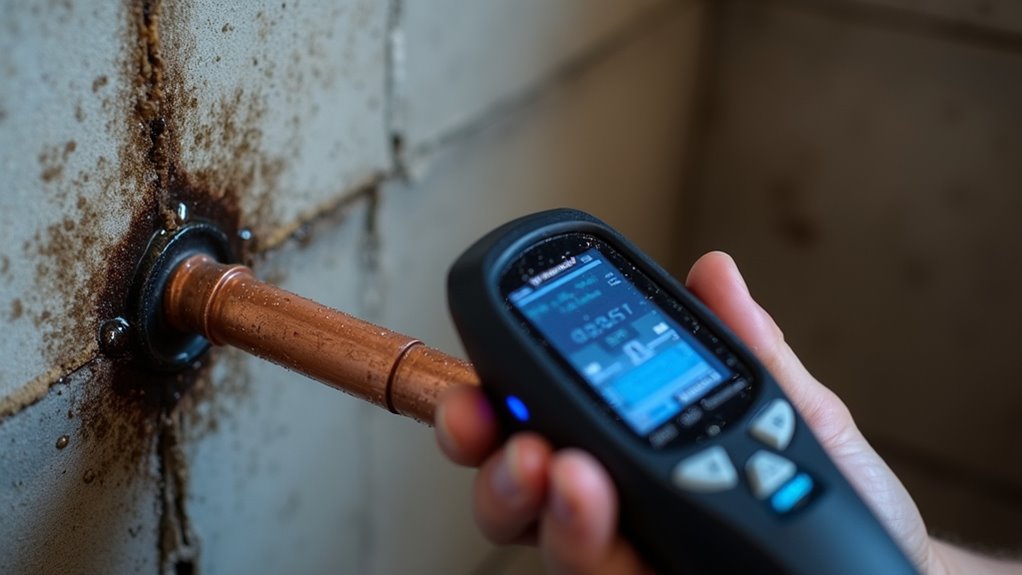
Water warriors across industries are discovering that leak detection technologies offer a powerful trifecta of benefits: substantial cost savings, environmental protection, and property preservation. The implementation of advanced leak detection systems is revolutionizing how businesses and homeowners manage their water resources, leading to notable reductions in water bills by up to 10% on average while preventing costly repairs from water-related damages. Non-invasive detection methods are increasingly preferred as they minimize disruption during inspections.
Modern leak detection technology employs sophisticated tools like acoustic sensors and smart meters, enabling real-time monitoring of water consumption patterns. These innovations, coupled with artificial intelligence and machine learning algorithms, provide unprecedented accuracy in identifying potential leaks before they escalate into major problems. The integration of IoT devices guarantees continuous system monitoring, while data analytics drive efficient water management decisions across entire networks. A single undetected dripping faucet can waste up to 20,000 litres annually. Water conservation is crucial not only for dry areas but also because it is tied to climate change, agriculture, and survival globally. Increased evaporation rates from rising temperatures further exacerbate water scarcity issues, highlighting the importance of efficient water usage and leak detection. Cities are increasingly adopting green infrastructure to manage stormwater and reduce water waste, aligning with sustainable urban water management strategies. The geographic spread of infectious diseases is also a concern as climate change affects natural water sources, making efficient leak detection vital.
The environmental impact of leak detection cannot be overstated. By saving billions of gallons of water annually, these systems play an essential role in conserving precious water resources, particularly in drought-prone regions. The reduction in energy consumption associated with pumping and treating water leads to lower carbon emissions, while preventing soil and groundwater contamination from unchecked leaks helps protect key ecosystems.
Property owners benefit notably from early leak detection. The technology helps prevent structural damage to buildings, reduces the risk of hazardous mold growth, and protects valuable equipment from water damage. Additionally, maintaining proper water pressure through leak detection supports critical fire suppression systems and guarantees a safe, reliable water supply for daily operations. These benefits translate directly into preserved property values and extended lifespans for plumbing systems and appliances.
The operational efficiency gains are equally impressive. Water utilities experience improved distribution system performance and reduced strain on treatment facilities. This leads to better resource allocation and enhanced maintenance planning, ultimately supporting compliance with increasingly stringent water conservation regulations. The data collected through these systems provides invaluable insights for predictive maintenance and system optimization.
Communities also reap substantial benefits from widespread adoption of leak detection technologies. The practice guarantees water availability for future generations while reducing the need for water restrictions during shortage periods. Lower overall costs for water services benefit consumers directly, while improved public trust in utility management encourages broader adoption of water conservation practices.
The health and safety advantages further underscore the importance of leak detection. By maintaining water system integrity, these technologies minimize the risk of waterborne diseases, reduce slip-and-fall hazards from wet surfaces, and prevent dangerous electrical situations caused by water contact with wiring.
This all-encompassing approach to water management demonstrates how technological innovation can address multiple challenges simultaneously, creating a more sustainable and secure water future for all.
Frequently Asked Questions
How Much Does a Professional Leak Detection Service Typically Cost?
Professional leak detection typically costs between $150-$500 for residential services and $300-$1,500 for commercial properties.
The final price depends on several factors: property size, leak type (water, gas, or slab), detection method used, and local market rates.
Basic acoustic detection starts around $200, while advanced methods like thermal imaging can reach $600.
Most companies include initial consultations, though emergency services may incur additional fees.
Can I Perform Leak Detection Tests at Home Without Specialized Equipment?
Homeowners can easily conduct several effective leak detection tests without specialized tools.
The water meter test involves checking for meter movement during a no-water-use period.
The food coloring toilet test reveals flapper leaks within minutes.
Visual inspections of walls, ceilings, and fixtures can spot obvious problems.
Even a simple pressure test using a basic gauge from the hardware store can identify potential leaks throughout the plumbing system.
How Often Should Leak Detection Inspections Be Conducted in Residential Properties?
Most residential properties should undergo professional leak detection inspections annually, with older homes requiring checks 2-4 times per year.
Homeowners should also conduct monthly visual inspections of common leak areas like sinks, toilets, and basements.
After major plumbing work or renovations, additional professional inspections are recommended.
Properties with previous leak issues or aging infrastructure may benefit from more frequent professional assessments to prevent water damage and costly repairs.
Are Smart Leak Detection Systems Compatible With All Types of Plumbing?
Smart leak detection systems are compatible with most common residential plumbing materials, including copper, PVC, PEX, and galvanized steel pipes.
However, some limitations exist. Thick insulation can interfere with external sensors, and very old pipes may require specialized detection methods.
While most detectors install without cutting into pipes, certain systems need professional installation.
Homes with unique setups, like multiple water sources or water softeners, might need customized detection solutions.
What Insurance Coverage Applies to Water Damage Caused by Undetected Leaks?
Insurance coverage for undetected leaks depends largely on timing and circumstance.
Standard homeowners policies typically cover sudden, accidental water damage but exclude gradual leaks that occur over time.
If a hidden leak is discovered quickly and reported promptly, insurers are more likely to approve claims.
However, damage from long-term undetected leaks is often denied due to “lack of maintenance” exclusions.
Having leak detection systems installed may improve coverage eligibility.


