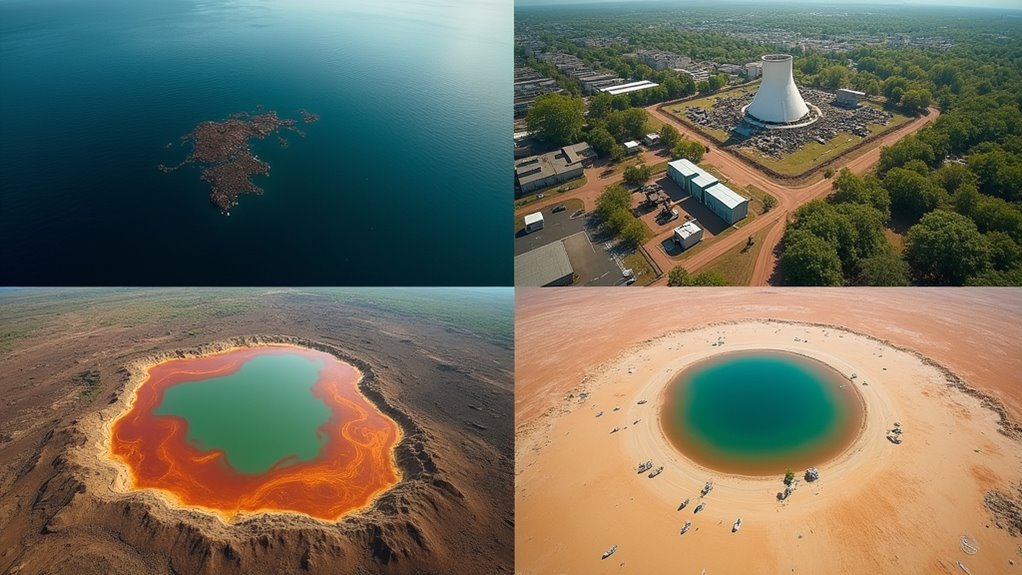
Consumer environmental rights empower individuals to protect their health and surroundings through guaranteed access to clean air, water, and sustainable environments. These rights, recognized in over 100 constitutions worldwide, include both practical protections and the ability to participate in environmental decision-making. Legal frameworks and international treaties help enforce these essential rights, though implementation faces ongoing challanges from economic interests and enforcement issues. Understanding these fundamental rights opens doors to meaningful environmental action and protection.

While environmental protection has traditionally focused on government regulations and corporate responsibility, consumer environmental rights have emerged as a powerful framework that puts ecological justice directly in the hands of individuals. These rights, now enshrined in over 100 constitutions worldwide, represent a fundamental extension of basic human rights to encompass environmental factors that affect daily life and long-term wellbeing.
Consumer environmental rights fall into two main categories: substantive and procedural. Substantive rights guarantee fundamental entitlements like clean air, pure water, and healthy soil – the basic elements needed to sustain life. They also protect biodiversity and ecological balance, ensuring that natural systems remain capable of supporting human communities. Environmental justice movements are crucial in addressing systemic inequalities that prevent access to these basic environmental entitlements. Urban design prioritizing walkability can also play a role in creating sustainable communities by reducing emissions and improving access to essential resources.
Procedural rights, on the other hand, empower consumers to participate actively in environmental decision-making through access to information, justice, and meaningful participation in policy discussions. Environmental sustainability requires consumers to exercise their right to be informed through continuous education about ecological impacts. The increasing demand for environmentally friendly products has made these rights more crucial than ever. Grassroots movements are instrumental in ensuring that marginalized populations have a voice in shaping climate policy and holding businesses accountable.
The legal framework supporting these rights spans multiple levels, from national constitutions to international treaties. Notable examples include the Aarhus Convention in Europe and the Escazú Agreement in Latin America, which set regional standards for environmental democracy. These frameworks are enforced through various mechanisms, including government agencies like the Environmental Protection Agency, specialized environmental courts, and public interest litigation. Global treaties such as the Convention on Biological Diversity also play a crucial role in shaping wildlife conservation efforts and enforcing consumer environmental rights.
However, the path to implementing these rights isn’t without obstacles. Economic interests often clash with environmental protection, while limited access to justice particularly affects marginalized communities. The transboundary nature of many environmental challenges, such as air pollution and climate change, further complicates enforcement efforts.
Scientific uncertainty in some environmental issues can also make it difficult to establish clear standards and accountability.
These rights matter because they directly impact consumers’ ability to make informed choices about products and services, while holding businesses accountable for their environmental claims. When consumers understand and exercise their environmental rights, they become powerful agents of change in the marketplace. This knowledge enables them to distinguish between genuine environmental commitments and mere greenwashing, pushing companies toward more sustainable practices.
The significance of these rights extends far beyond individual consumer choices. They serve as vital tools for protecting public health from environmental hazards and ensuring that future generations inherit a livable planet. Through environmental rights, consumers can challenge harmful practices, demand transparency from corporations, and participate in decisions that affect their communities’ ecological future.
As environmental challenges continue to mount, the importance of consumer environmental rights grows increasingly evident. These rights provide an essential framework for addressing ecological concerns while empowering individuals to take meaningful action. By understanding and exercising these rights, consumers can contribute to environmental protection while ensuring their own interests are protected in an increasingly complex environmental landscape.
Frequently Asked Questions
How Can I Verify if a Company’s Environmental Claims Are Genuinely True?
Consumers can verify environmental claims through several reliable methods.
Look for third-party certifications from recognized organizations like SCS Global Services. Check if claims are backed by specific data and scientific evidence rather than vague statements.
Research whether the company follows ISO environmental standards and regulatory requirements. Watch for red flags like unclear language or single-attribute focus.
Independent audits and life cycle assessments provide the most credible verification of green claims.
What Legal Actions Can Consumers Take Against Businesses Violating Environmental Regulations?
Consumers have several powerful legal options to hold companies accountable for environmental violations. They can join class action lawsuits, file complaints with the EPA or FTC, or pursue claims under state consumer protection laws.
Citizens can also participate in environmental statute suits and report violations through official channels. These actions can result in monetary penalties, court-ordered cleanups, consumer compensation, and injunctions against harmful business practices.
Where Can I Report Companies That Engage in Environmental Law Violations?
Consumers can report environmental violations through multiple official channels.
The EPA’s online violation form and 24-hour hotline (1-844-332-3267) handle general complaints. For specific incidents, the National Response Center (1-800-424-8802) manages chemical/oil spills, while state environmental agencies address local issues.
When reporting, document evidence with photos and specific details about the violation. Anonymous reporting options exist for those concerned about protection.
State Attorney General offices also accept environmental complaints.
Do Environmental Consumer Rights Vary Significantly Between Different States or Countries?
Environmental consumer rights vary considerably between jurisdictions.
The EU maintains the strictest standards, prohibiting vague green claims and requiring third-party certification.
The UK allows more flexibility with self-declarations, while the US relies on less stringent FTC Green Guides.
Canada’s recent Bill C-59 and India’s 2024 guidelines show emerging markets are catching up.
Penalties also differ considerably – from the EU’s 4% of turnover to Canada’s $10 million maximum fine or 3% of revenues.
How Can Consumers Collectively Influence Corporate Environmental Responsibility Through Legal Channels?
Consumers can leverage multiple legal channels to influence corporate environmental behavior.
Class action lawsuits, backed by consumer protection laws, allow groups to collectively challenge misleading environmental claims. Public interest organizations frequently file suits on behalf of consumers, while shareholder resolutions enable investors to demand better practices.
Social media campaigns and boycotts, combined with legal action, create significant pressure for companies to improve their environmental performance and transparency.