Ethical electronics practices are critical as the world generates 50 million tonnes of e-waste annually, releasing toxic chemicals like mercury and lead into ecosystems. Improper disposal contaminates soil and water, while informal recycling in developing nations exposes vulnerable workers to hazardous materials. However, solutions are emerging through state-mandated recycling programs, corporate take-back initiatives, and sustainable design principles. Understanding the connection between electronics choices and environmental impact reveals powerful opportunities for positive change.
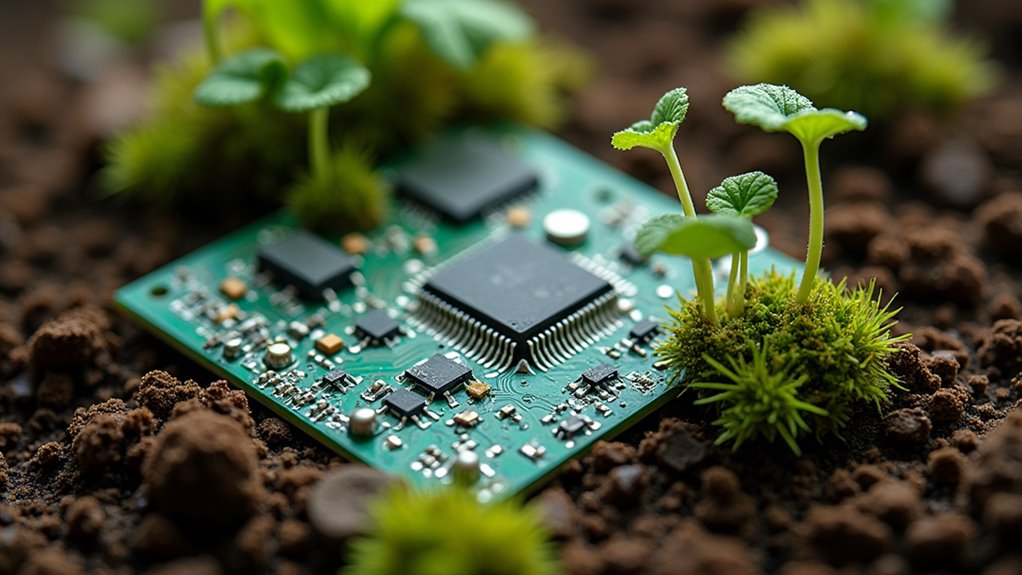
As the world grapples with an unprecedented 50 million tonnes of electronic waste annually, the electronics industry stands at an essential crossroads between innovation and environmental responsibility. The mounting challenges of e-waste extend far beyond mere numbers, presenting a complex web of environmental, social, and economic implications that affect communities worldwide.
The environmental impact of improperly disposed electronics cannot be understated. Toxic chemicals like mercury and brominated flame retardants seep into soil and water systems, while the burning of e-waste releases harmful toxins into the atmosphere. These contaminants pose serious risks to both environmental and human health, creating a ripple effect that extends far beyond local communities. Lead exposure from improperly disposed electronics can result in severe developmental issues in children and cognitive problems in adults. Waste-to-energy solutions could play a role in managing e-waste by converting it into usable power, thereby reducing environmental hazards.
Improper e-waste disposal unleashes toxic chemicals into our environment, threatening ecosystems and human health across communities worldwide.
In developing nations, the situation takes on a particularly troubling dimension. Informal recycling operations expose workers, including children, to hazardous materials without proper protection. The export of e-waste to these regions has created an ethical crisis, exacerbating global inequalities and putting vulnerable populations at risk. However, when managed properly, e-waste recycling can create legitimate employment opportunities and contribute to a circular economy. Sustainable practices in industrial waste management are being explored to address similar challenges faced by other industries.
The regulatory landscape is evolving to address these challenges. Twenty-five U.S. states now mandate e-waste recycling, while the European Union leads with progressive policies promoting energy-efficient and repairable devices. These initiatives are complemented by industry efforts, with many companies implementing take-back programs and shifting towards eco-friendly packaging and design principles that emphasize durability and recyclability. Sustainably sourced materials are becoming increasingly essential in modern electronics manufacturing. Innovations in green steel production methods could also play a significant role in reducing emissions within the electronics sector.
Consumer awareness and action play a key role in addressing the e-waste crisis. By making sustainable purchasing choices, supporting repair and refurbishment options, and properly disposing of old devices through certified recycling programs, individuals can greatly impact the electronics lifecycle. The growing popularity of trade-in schemes and refurbishment markets demonstrates a shifting consumer mindset towards more sustainable practices. Corporate environmental campaigns have also intensified, pressuring companies to adopt more sustainable practices and accountability for their environmental impact.
Looking ahead, the future of ethical electronics appears promising, albeit challenging. Emerging technologies are improving recycling techniques, while circular business models gain traction across the industry. The focus on ethical sourcing of raw materials and the development of energy-efficient devices continues to grow.
Perhaps most encouragingly, the e-waste challenge is creating opportunities for green job creation and domestic recycling initiatives.
The electronics industry’s transformation towards sustainability requires a collective effort from manufacturers, policymakers, and consumers. While the challenges are considerable, solutions exist and are being implemented globally. Through proper regulation, industry innovation, and conscious consumer choices, the vision of an ethical and sustainable electronics industry is within reach.
The key lies in maintaining momentum and ensuring that environmental and social responsibility become fundamental aspects of technological progress, rather than afterthoughts in the pursuit of innovation.
Frequently Asked Questions
How Can I Verify if an Electronics Manufacturer Follows Ethical Production Practices?
Consumers can verify ethical electronics manufacturing through multiple steps.
Check for key certifications like SA8000 for worker rights and ISO 14001 for environmental standards.
Review third-party audit reports from BSCI and external auditing firms.
Examine supply chain transparency tools like Sourcemap.
Look for specific ecolabels including TCO Certified and Carbon Neutral Product certifications.
Research manufacturer’s compliance with RoHS and other international standards for hazardous materials.
What Certifications Should I Look for When Buying Ethically Produced Electronics?
When shopping for ethical electronics, key certifications provide confidence in responsible manufacturing.
Look for ENERGY STAR and EPEAT for environmental standards, Fair Trade Electronics and SA8000 for worker protections, and B Corp certification for overall social impact.
RoHS compliance guarantees fewer toxic materials, while CFSI verifies conflict-free minerals.
The most trustworthy manufacturers typically display multiple certifications, demonstrating commitment across environmental, social, and quality metrics.
Do Ethical Electronics Cost Significantly More Than Conventional Ones?
Yes, ethical electronics typically cost 75-85% more than conventional alternatives.
This significant price difference stems from premium materials, complex manufacturing processes, smaller production scales, and certification costs.
However, ethical devices often last longer, potentially offering savings over time through reduced replacement needs.
While higher-income consumers tend to absorb these costs more readily, the price gap remains a major barrier for many buyers, especially those facing financial constraints.
Which Major Tech Companies Have the Best Track Record for Ethical Manufacturing?
Based on recent sustainability metrics and independent rankings, Apple, Dell, and Intel stand out as industry leaders in ethical manufacturing.
Apple has achieved significant emissions reductions and uses 90% renewable electricity.
Dell excels in sustainable packaging and ocean plastic removal.
Intel impresses with 93% renewable energy use globally and efficient waste management.
These companies consistently receive recognition from organizations like Greenpeace and the Ethisphere Institute for their ethical practices.
How Can I Properly Dispose of Electronics to Minimize Environmental Impact?
Proper electronics disposal involves several key steps to minimize environmental harm.
Certified e-waste recyclers can extract valuable metals while following environmental standards. Many manufacturers offer take-back programs, providing trade-in credit and ensuring proper handling.
Working devices can be donated to schools or nonprofits, extending their lifespan. Before disposal, it is crucial to remove batteries, wipe personal data, and seal broken parts.
Local regulations may have specific requirements for different devices.