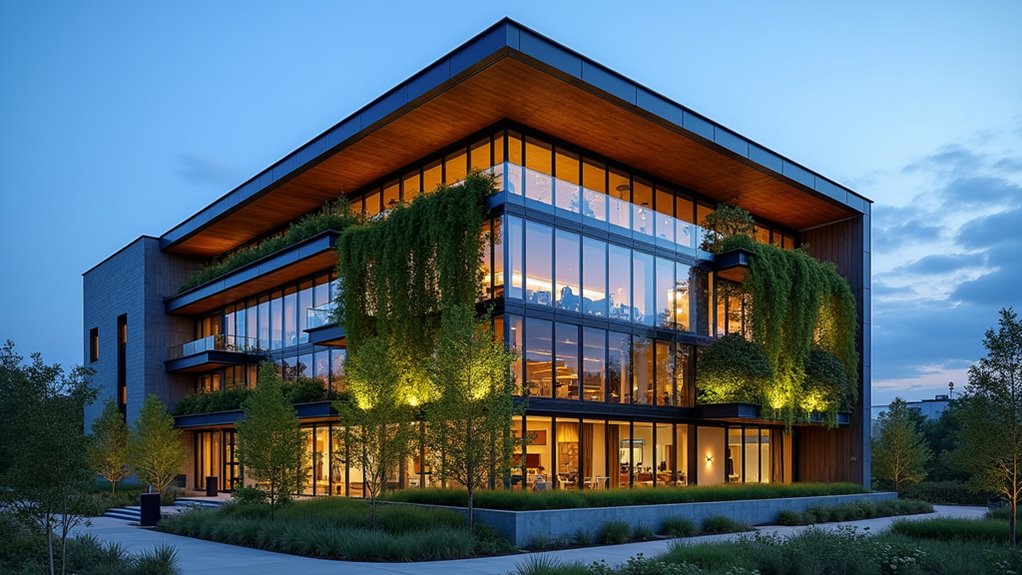
Energy-efficient HVAC systems deliver substantial cost savings while reducing environmental impact through advanced technology. Modern systems achieve 20% or greater reductions in utility bills by incorporating features like smart thermostats, variable capacity equipment, and heat pump technology. Well-maintained units maximize performance through regular servicing and filter changes, contributing to decreased carbon emissions and enhanced energy security. The latest innovations in HVAC technology reveal promising pathways to sustainable climate control and reduced operating expenses.
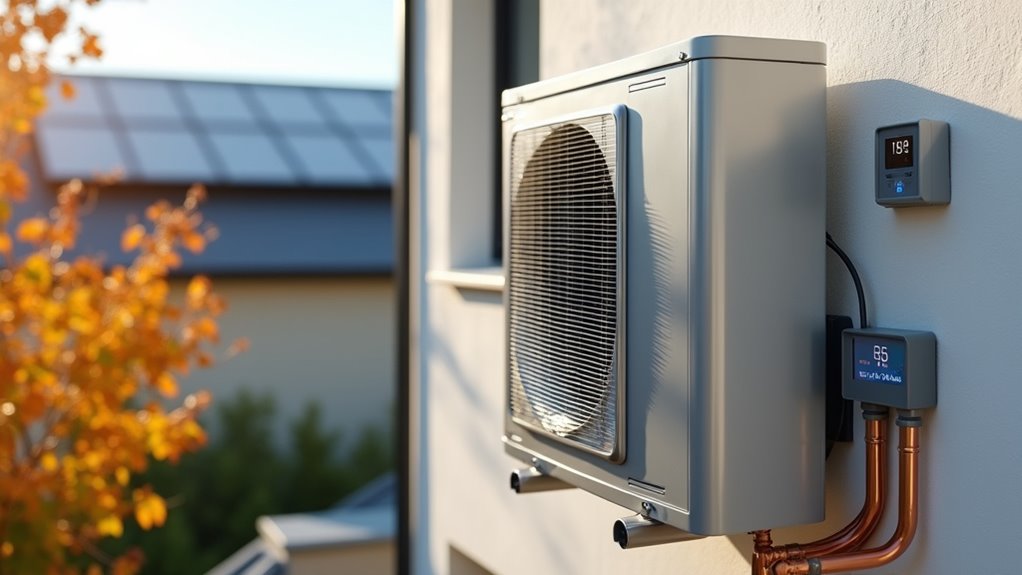
While traditional HVAC systems have long been energy hogs, modern innovations in heating, ventilation, and air conditioning technology are revolutionizing how buildings maintain comfort while slashing energy costs. The latest generation of energy-efficient HVAC systems offers unprecedented opportunities for homeowners and businesses to reduce both their utility bills and environmental impact through advanced technology and smart controls. By reducing energy consumption, these systems play a crucial role in the broader efforts to combat climate change, aligning with the global push for sustainability. Industrial decarbonization also benefits from these innovations, as HVAC systems in industrial settings contribute significantly to energy use and emissions. Additionally, these systems contribute to energy security by decreasing reliance on fossil fuels, fostering a transition towards more sustainable energy sources.
These modern systems are rated using metrics like SEER for cooling efficiency and HSPF for heat pump performance. The higher these ratings, the more efficient the system, with ENERGY STAR certification requiring a minimum SEER rating of 14.5. By upgrading to high-efficiency systems, property owners can achieve impressive savings of 20% or more on their monthly energy bills, while simultaneously reducing their carbon footprint. Studies show that heating and cooling costs represent approximately 55% of total household energy consumption.
The technology behind these efficiency gains includes several innovative approaches. Air-source heat pumps transfer heat between indoor and outdoor air, while geothermal systems tap into stable underground temperatures. Ductless mini-split systems provide precise zoned heating and cooling, eliminating the energy losses associated with traditional ductwork. Variable Refrigerant Flow systems allow for exact temperature control, optimizing energy use throughout different areas of a building. Variable capacity equipment automatically adjusts its output to match the exact needs of the building at any given time.
Smart technology has become an integral component of modern HVAC efficiency. Wi-Fi enabled thermostats and sophisticated control systems allow users to manage their systems remotely, while occupancy sensors automatically adjust settings based on room usage. These smart features, combined with regular maintenance practices like filter replacement and annual tune-ups, help guarantee systems operate at peak efficiency throughout their lifespan. Net zero energy buildings integrate these advanced HVAC systems to achieve energy neutrality, generating as much energy as they consume.
The shift to more efficient systems is further supported by government incentives and regulations. Federal tax credits and local utility rebates make upgrading to energy-efficient systems more affordable, while increasingly strict efficiency standards drive ongoing innovation in HVAC technology. The industry is also moving toward more environmentally friendly refrigerants like R-32, which have lower global warming potential.
Proper maintenance plays an essential role in sustaining these efficiency gains over time. Regular servicing, including filter changes and annual professional inspections, not only improves performance but also extends system longevity. Well-maintained systems consume less energy and require fewer repairs, making them more cost-effective over their operational life.
The combined impact of these advances in HVAC technology extends beyond individual cost savings. By reducing overall energy consumption, efficient systems decrease demand on power plants and contribute to broader efforts to combat climate change.
As buildings account for a significant portion of energy use and greenhouse gas emissions, the widespread adoption of energy-efficient HVAC systems represents a vital step toward a more sustainable future.
Frequently Asked Questions
How Long Does It Take to Recover Costs From an Energy-Efficient HVAC Upgrade?
Most energy-efficient HVAC upgrades achieve cost recovery within 3-5 years through reduced energy bills, though payback periods vary.
Simple upgrades like programmable thermostats pay off quickest, while thorough system replacements take longer.
Factors affecting recovery time include climate zone, building size, and existing system efficiency.
With proper maintenance, these systems deliver consistent savings over their 15-25 year lifespan, making the initial investment worthwhile for most property owners.
Can I Retrofit My Existing HVAC System Instead of Replacing It Entirely?
Yes, retrofitting an existing HVAC system is often a smart alternative to full replacement.
Retrofit options like smart thermostats, high-efficiency components, and building automation systems can extend equipment life by 5-15 years while cutting energy costs up to 20%.
The initial investment typically pays off within 2-5 years through reduced operating expenses.
This approach saves 30-50% compared to complete system replacement costs, while still delivering improved comfort and efficiency.
Which HVAC Certifications Should I Look for When Choosing Installation Contractors?
Look for contractors with NATE certification, which is the industry’s gold standard and demonstrates extensive HVAC expertise.
EPA Section 608 certification is legally required for handling refrigerants, so make sure they have this too.
Energy Star certification shows proficiency with efficient systems, while HVAC Excellence provides additional validation of technical skills.
Multiple certifications typically indicate a more experienced and knowledgeable contractor who stays current with industry standards.
Do Energy-Efficient HVAC Systems Require More Frequent Maintenance Than Traditional Ones?
Energy-efficient and traditional HVAC systems actually require the same maintenance frequency – typically twice-yearly servicing in spring and fall.
Both types need regular filter changes, coil cleaning, and professional inspections.
The main difference lies in the benefits: properly maintained energy-efficient systems deliver up to 15% lower energy consumption and reduced emissions.
With consistent care, both types can last 15-20 years, potentially reaching 25 years with excellent maintenance.
What Government Incentives Are Available for Installing Energy-Efficient HVAC Systems?
Substantial financial incentives exist at multiple government levels for energy-efficient HVAC installations.
The federal government offers up to $3,200 annually through tax credits, including 30% of costs for heat pumps.
State programs provide significant support – California offers up to $6,000, while New York provides $5,000 through NYSERDA.
These incentives can often be combined with local utility rebates and manufacturer programs, making efficient HVAC systems more affordable for homeowners.