

Effective climate communication requires translating complex data into relatable messages that resonate with diverse audiences. Key strategies include framing climate change through public health impacts, highlighting local relevance, utilizing compelling visuals, and focusing on solutions rather than problems. Personal narratives and stories connect abstract statistics to lived experiences, while tailored messaging addresses different values and worldviews. Understanding how various groups process climate information opens pathways for deeper engagement and meaningful action.
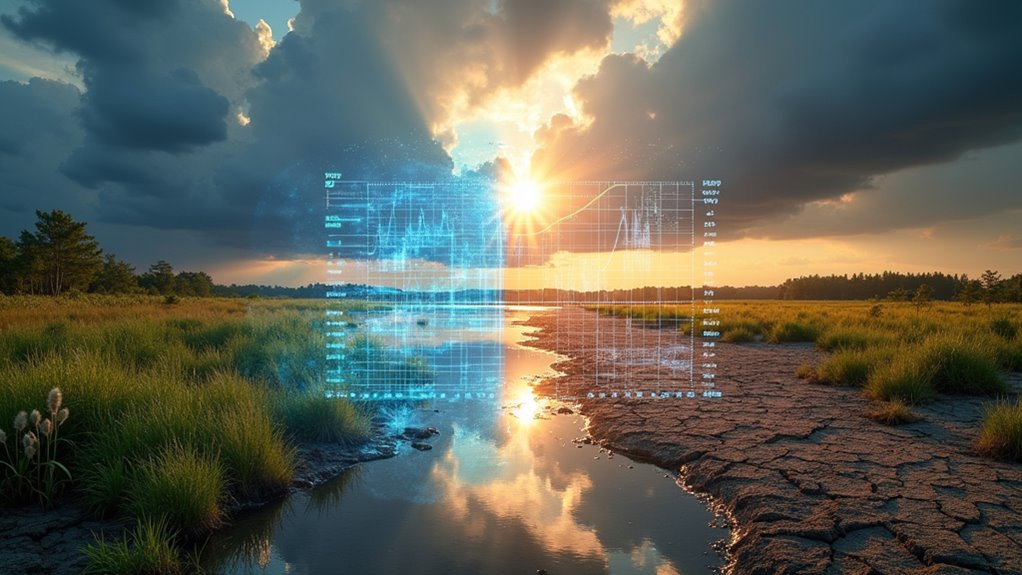
While the scientific consensus on climate change is clear, communicating effectively about this complex issue remains a vital challenge for scientists, advocates, and policymakers alike. Successfully engaging diverse audiences requires a sophisticated understanding of how different groups process and respond to climate information, along with carefully crafted messaging strategies that resonate with their values and experiences.
Clear climate science faces a communication hurdle, requiring deep understanding of audiences and strategic messaging to drive meaningful engagement.
A key approach gaining traction is framing climate change as a public health issue. This strategy connects abstract concepts like greenhouse gas emissions to immediate, tangible concerns such as air quality, heat-related illnesses, and the spread of infectious diseases. When people understand how climate change affects their families’ health and well-being, they’re more likely to support climate action. Healthcare professionals have emerged as particularly effective messengers, leveraging their credibility to explain these connections. Social norms consistently shape how communities respond to climate messaging and drive collective action. The link between climate change and health risks serves as a compelling narrative that underscores the urgency of addressing environmental issues to safeguard public health.
Local relevance plays a vital role in breaking through communication barriers. People are more likely to engage with climate information when it’s connected to their immediate surroundings and experiences. This might mean discussing how changing weather patterns affect local agriculture, how rising seas threaten coastal communities, or how extreme heat impacts outdoor activities that communities value. Utilizing tools like Surging Seas: Risk Finder helps communities understand their specific coastal flooding risks. The surge in hurricanes and other extreme weather events further illustrates the immediate need for adaptive strategies.
Economic impacts, such as job opportunities in renewable energy or risks to traditional industries, also help make the issue concrete and personally meaningful.
Visual communication has proven especially powerful in conveying complex climate data and impacts. Well-designed infographics, interactive tools, and compelling photography can tell stories that words alone cannot. These visual elements help people grasp abstract concepts and see patterns over time, while also creating shareable content that can amplify messages across social media platforms.
Effective climate communication increasingly relies on storytelling techniques to create emotional connections with audiences. Personal narratives about communities adapting to climate impacts or individuals leading climate solutions help transform statistics into relatable human experiences. These stories, when combined with clear scientific evidence and practical action steps, create a powerful formula for engagement.
Solutions-focused messaging is essential for maintaining audience engagement and preventing paralysis in the face of overwhelming challenges. By highlighting successful climate initiatives, economic opportunities in clean energy, and specific actions individuals can take, communicators can foster a sense of agency and hope. This approach, coupled with messages tailored to resonate with different audience’s values and worldviews, helps overcome the polarization that often surrounds climate discussions.
The most effective climate communication strategies combine these various elements – health framing, local relevance, visual tools, storytelling, and solutions focus – while remaining grounded in scientific accuracy and ethical transparency. Success requires careful attention to audience needs and values, consistent messaging across platforms, and a commitment to building trust through honest, factual communication that acknowledges both challenges and opportunities for positive change.
Frequently Asked Questions
How Can Individuals Measure Their Personal Impact on Climate Change?
Individuals can track their climate impact through several practical methods.
Online carbon footprint calculators from organizations like EPA and WWF analyze lifestyle data from utility bills, travel, and consumption habits.
Manual calculations offer a DIY approach by multiplying energy bills and transportation miles by specific factors.
Smartphone apps provide real-time tracking of daily choices, while detailed activity logs help monitor everything from food choices to waste production.
What Role Do Social Media Algorithms Play in Climate Change Misinformation?
Social media algorithms considerably amplify climate change misinformation through engagement-based content promotion.
These algorithms favor controversial and emotionally-charged posts, giving climate denial content 49% more visibility than factual information.
Echo chambers and filter bubbles further isolate users, with 67% seeing only climate content that matches their existing beliefs.
Additionally, targeted advertising from fossil fuel companies and AI-generated misinformation compound the problem, making it harder for accurate climate science to reach audiences.
How Do Different Cultures Perceive and Respond to Climate Change Messaging?
Different cultures perceive and respond to climate change messaging in distinct ways based on their core values and beliefs.
Individualistic societies tend to engage more with economic-focused messaging, while collectivist cultures respond better to community-based solutions.
Religious communities often need faith-aligned messaging, while indigenous groups connect with environmental harmony narratives.
Urban populations typically show more concern than rural ones, making location-specific approaches essential for effective climate communication.
Which Psychological Barriers Prevent People From Accepting Climate Change Evidence?
Several key psychological barriers prevent people from fully accepting climate change evidence.
Cognitive dissonance causes mental discomfort when lifestyle choices conflict with environmental knowledge, leading to denial.
Psychological distance makes climate impacts feel remote and abstract.
Confirmation bias drives people to seek information supporting existing beliefs while rejecting contradictory evidence.
Optimism bias leads individuals to underestimate their personal vulnerability to climate impacts, reducing motivation for action.
What Communication Methods Work Best for Reaching Climate Change Skeptics?
Effective communication with climate skeptics requires a multi-layered approach focused on building trust and finding common ground.
Local impacts, personal experiences, and trusted community messengers tend to resonate more than global statistics.
Framing climate solutions around shared values like economic opportunity, energy independence, and protecting family futures proves more successful than confrontational debates.
Using clear, non-partisan language and acknowledging valid concerns helps create meaningful dialogue and potential mindset shifts.


