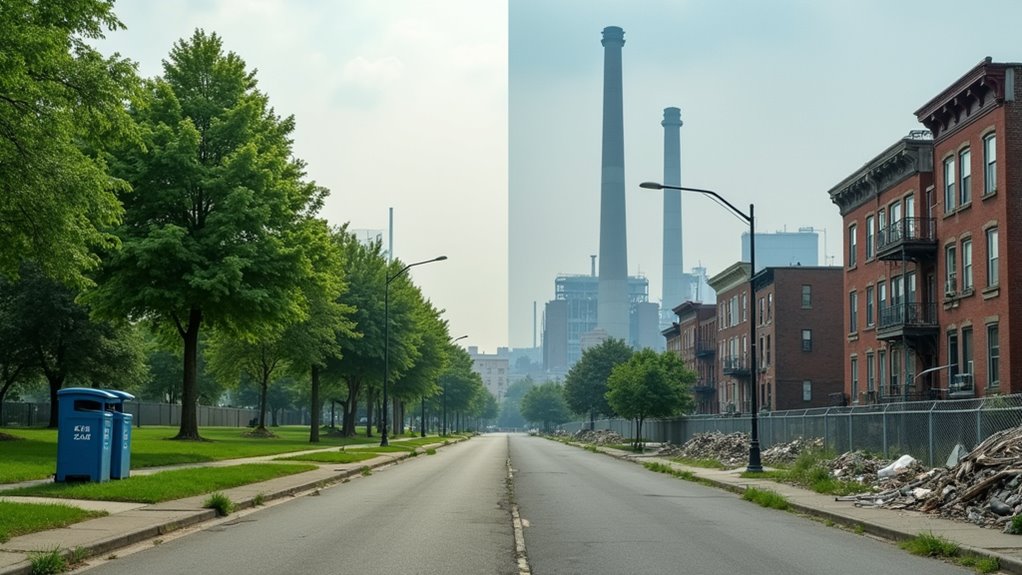
Environmental storytelling harnesses personal narratives to turn abstract ecological challenges into relatable human experiences. Through photography, video, and oral histories, advocates amplify diverse voices from affected communities – from farmers facing crop failures to coastal residents battling rising seas. These authentic accounts influence policy decisions by connecting with audiences on an emotional level while maintaining scientific credibility. Community story circles and youth activism continue building momentum for environmental action. The full scope of narrative-driven advocacy reveals even more powerful impacts.

While scientific data and statistics remain essential tools in environmental advocacy, the power of personal storytelling has emerged as a transformative force in the fight against climate change. Stories connect with people on an emotional level, fostering empathy and understanding in ways that raw numbers simply cannot achieve. By sharing authentic experiences of climate impacts, advocates can make abstract environmental challenges feel immediate and personal. Oral traditions have preserved ecological wisdom across generations, demonstrating the enduring power of storytelling in environmental conservation.
The human dimension of environmental storytelling proves particularly compelling when amplifying voices from communities directly affected by climate change. The University of St. Thomas initiative showcases how diverse lived experiences can illuminate environmental injustices across Minnesota communities. Farmers describe changing growing seasons that threaten their livelihoods, while coastal residents share accounts of increasingly severe storms and flooding. Urban dwellers detail the harsh realities of heat islands, and those with respiratory conditions explain how wildfire smoke affects their daily lives. These narratives transform statistics into lived experiences that decision-makers and the public cannot easily ignore. Measuring the impact of environmental education programs can further enhance these storytelling efforts by providing concrete evidence of increased awareness and behavioral change. Grassroots initiatives also play a crucial role in ensuring that diverse community voices are heard and included in climate policy discussions.
Environmental storytelling groups have emerged as powerful catalysts for community building and collective action. From sit-ins to climate marches, environmental movements employ nonviolent tactics that resonate with communities and policymakers alike. Through nature story circles, online platforms, and multimedia approaches, these groups maintain engagement while fostering connections between diverse participants. Their work demonstrates how shared narratives about climate vulnerability can inspire community-driven solutions, from local reforestation efforts to sustainable urban planning initiatives. Youth environmental activism exemplifies how young voices are demanding justice and action for a sustainable future, proving the importance of empowering the next generation in environmental advocacy.
The impact of storytelling on environmental policy cannot be understated. Personal accounts from ordinary citizens have successfully countered corporate interests in regulatory debates, particularly around issues like fracking and industrial pollution. When community members share their experiences with decision-makers, they help restore balance to policy discussions that might otherwise be dominated by industry perspectives. Climate action plans increasingly reflect diverse community voices, thanks to the persuasive power of personal narratives.
Modern environmental advocacy employs various storytelling techniques across multiple platforms. Advocates craft authentic narratives using photography, video, and oral histories to reach different audiences. Mini-documentaries preserve community legacies, while social media amplifies personal stories to broader audiences. Traditional print materials guarantee access for those without internet connectivity, making environmental messaging more inclusive and accessible.
Marginalized communities, particularly Indigenous peoples and those historically exploited by environmental injustice, have found their voices through collaborative storytelling approaches. Youth organizers share their climate experiences, while advocacy research provides platforms for participants to shape their own narratives. This emphasis on empowering disenfranchised voices guarantees that environmental advocacy reflects the full spectrum of climate impact experiences.
The most effective environmental storytellers balance emotional appeal with credible facts, using sensory details to immerse audiences while maintaining authenticity. They anticipate questions, address concerns, and connect individual experiences to broader environmental goals. Through these carefully crafted narratives, advocates continue to build support for environmental protection and climate action, proving that personal stories can indeed power meaningful change.
Frequently Asked Questions
How Can I Measure the Impact of My Environmental Storytelling Campaigns?
Environmental campaign impact can be measured through both hard data and human responses.
Track quantitative metrics like social media engagement, website traffic, and conversion rates. Gather qualitative feedback through surveys and testimonials.
Monitor behavioral changes in target audiences, such as adoption of sustainable practices or increased eco-product sales.
For lasting impact, conduct long-term studies that measure sustained behavior shifts and environmental improvements over time.
What Role Does Social Media Play in Environmental Storytelling?
Social media serves as a powerful amplifier for environmental storytelling, reaching millions instantly through visual content and personal narratives.
Platforms like Instagram and Twitter enable organizations and individuals to share compelling environmental stories through infographics, videos, and striking imagery.
With 92.7% of internet users on social media, these platforms foster engaged communities, facilitate global dialogue, and mobilize collective action.
Influencers with genuine environmental interests help supercharge message reach and impact.
Should Environmental Stories Focus More on Solutions or Problems?
Environmental stories are most effective when combining both problem awareness and solution pathways. While highlighting issues creates urgency and understanding, an overwhelming focus on problems can lead to eco-anxiety and inaction.
Research shows that solution-oriented narratives inspire hope and motivate change. The ideal approach presents challenges while showcasing successful initiatives, empowering audiences with actionable steps.
This balanced strategy drives meaningful engagement and lasting environmental impact.
How Do Cultural Differences Affect Environmental Storytelling Approaches?
Cultural differences fundamentally shape how environmental messages resonate across societies.
Indigenous cultures often weave nature-human relationships into oral traditions, while Western approaches favor data-driven written narratives.
Asian storytelling emphasizes harmony through visual art, African tales use rhythm and community perspectives, and Latin American accounts incorporate magical realism.
These distinct approaches reflect deeper values – collectivist vs individualist, hierarchical vs egalitarian – that influence how environmental stories are told and received.
What Are the Best Formats for Sharing Environmental Stories With Younger Audiences?
Short-form video platforms like TikTok and Instagram Reels are highly effective for reaching younger audiences, offering bite-sized environmental content that resonates with their media consumption habits.
Interactive formats, including games and AR experiences, create engaging learning opportunities.
Youth-led content, particularly peer-to-peer storytelling through social media, builds authenticity and trust.
Live streaming enables real-time engagement, while animated explainers break down complex environmental topics into digestible information.