Environmental art harnesses creativity to drive global ecological activism. Since the 1960s, artists have used photography, public installations, and digital technology to document environmental challenges and inspire solutions. Through urban murals, interactive exhibits, and virtual reality experiences, artists collaborate with scientists and activists to make complex issues accessible. Social media amplifies these artistic messages worldwide, while public spaces become platforms for collective action. The intersection of art and activism continues revealing new pathways toward environmental change.
Since the late 1960s, the intersection of art and environmental activism has emerged as a powerful force for planetary change, transforming how society confronts ecological challenges. What began as a response to growing environmental concerns has evolved into a global movement where artists harness their creativity to illuminate pressing issues and inspire concrete action for environmental protection.
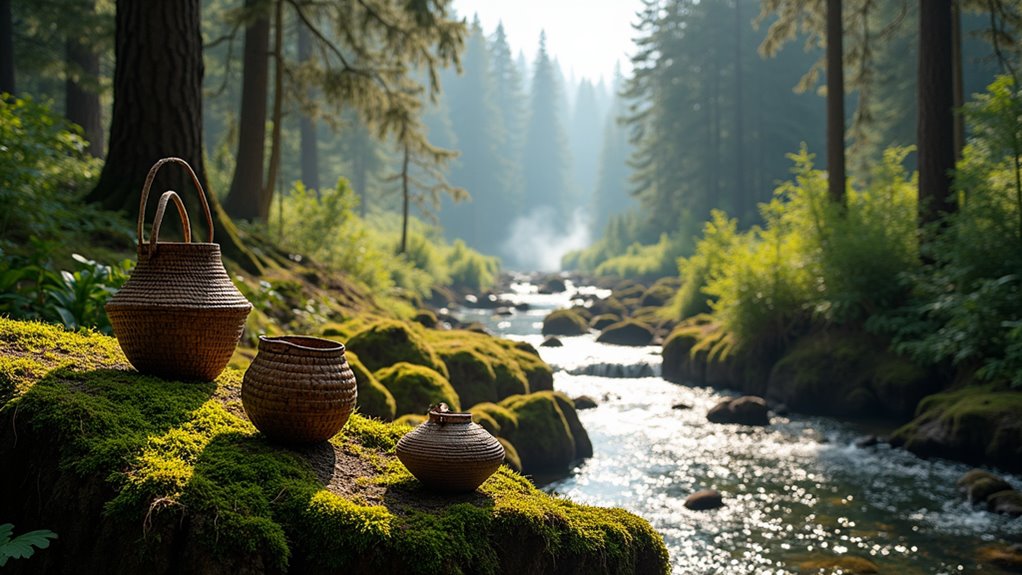
Environmental artists like Andy Goldsworthy and Agnes Denes have revolutionized how we perceive nature through their groundbreaking work. Goldsworthy’s ephemeral sculptures, crafted from leaves, ice, and stone, remind us of nature’s transient beauty, while Denes’s large-scale interventions challenge our relationship with the natural world. Artists like Ina-Maria Shikongo explore climate justice and colonialism through their powerful environmental works. The movement’s roots can be traced to the Chicano Art Movement, which pioneered the use of art for social change. These pioneers have paved the way for contemporary artists who continue to push boundaries in addressing climate change and ecological degradation. Environmental narratives are instrumental in making complex issues more relatable and emotionally compelling, enhancing the impact of these works.
Environmental artists transform our view of nature, using ephemeral materials and grand interventions to highlight Earth’s fragility and beauty.
Photography has become an especially powerful tool in environmental activism, documenting the stark realities of climate change and habitat destruction. Through their lenses, photographers capture melting glaciers, disappearing rainforests, and communities affected by environmental disasters. These images serve as visual testimonies that transcend language barriers and motivate audiences to demand change from policymakers and corporations. Successful conservation stories, like those celebrated by coordinated efforts, offer hope and inspiration for future environmental advocacy. Young activists are crucial contributors to these efforts, as their voices demand justice and action for a sustainable future.
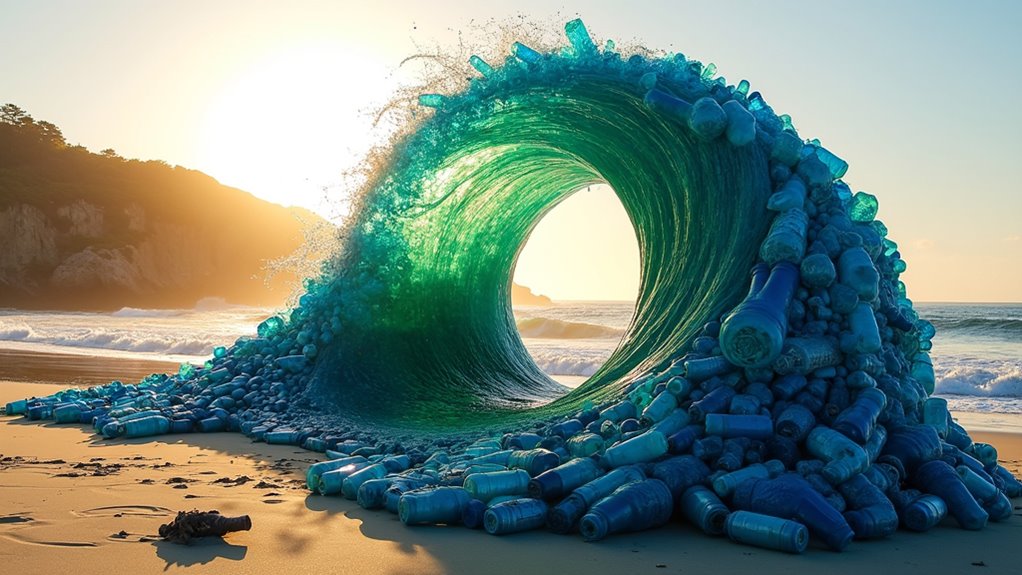
The movement has expanded beyond traditional mediums into public spaces, where environmental art reaches broader audiences. Urban murals depicting climate change impacts, sculptures crafted from ocean plastic, and interactive installations in public parks bring environmental messages directly to communities. These works transform public spaces into platforms for environmental dialogue and collective action. Volunteerism plays a crucial role in these efforts, as local action becomes instrumental in bringing these artistic projects to life and fostering community engagement.
Digital technology has opened new frontiers for environmental art activism. Virtual reality experiences allow people to witness future climate scenarios, while social media campaigns amplify environmental messages globally. Artists collaborate with scientists to create data visualizations that make complex environmental trends accessible to general audiences, using artificial intelligence and digital platforms to reach millions.
The impact of environmental art on activism is measurable and significant. When artists translate scientific data and environmental concerns into visceral, emotional experiences, they make abstract issues tangible and personal. This approach has proven effective in mobilizing communities, influencing policy decisions, and inspiring individual action toward sustainability.
Today’s environmental artists increasingly work alongside scientists, activists, and communities to create projects that not only raise awareness but also actively contribute to environmental solutions. Mel Chin’s “Revival Field” project, which uses plants to remove heavy metals from contaminated soil, exemplifies how art can directly participate in ecological restoration. These collaborations demonstrate that art can be both a mirror reflecting environmental challenges and a tool for implementing solutions.
Through diverse approaches and mediums, environmental art continues to evolve as an essential component of global ecological activism. By making environmental issues visible, personal, and actionable, artists help transform public consciousness and motivate the collective action needed to address our planet’s most pressing environmental challenges.
Frequently Asked Questions
How Can Individual Artists Receive Funding for Environmental Activism Projects?
Artists seeking environmental project funding can access diverse financial resources through government grants, foundation support, residencies, and crowdfunding platforms.
The National Endowment for the Arts and Anonymous Was A Woman offer substantial project grants up to $20,000.
Artists can also pursue dedicated fellowships at institutions like McColl Center, apply for Kickstarter campaigns, or secure ongoing supporter funding via Patreon.
Fiscal sponsorship through Fractured Atlas provides additional pathways for tax-deductible donations.
What Legal Considerations Should Artists Know When Creating Public Environmental Installations?
Artists creating public environmental installations must navigate several key legal requirements. They need proper permits and written permission from property owners.
Environmental regulations require eco-friendly materials and safety assessments. The Visual Artists Rights Act protects against unauthorized modifications.
Local community engagement is essential to prevent opposition. Artists should also obtain insurance coverage and draft clear contracts addressing ownership, maintenance, and liability issues.
How Do Digital Art Platforms Compare to Physical Exhibitions for Environmental Messaging?
Digital platforms offer unparalleled reach and instant global distribution, making environmental messages accessible to millions instantly.
Physical exhibitions create deeper emotional connections through tangible experiences and community engagement.
While digital art enables real-time updates and cross-border collaboration, physical shows provide irreplaceable sensory experiences.
Each format serves distinct purposes – digital platforms excel at rapid dissemination, while physical exhibitions foster lasting personal impact through direct interaction.
Which Environmental Art Movements Have Created the Most Policy Change Historically?
The Eco-Art Movement of the 1990s has demonstrably driven the most significant policy changes, particularly in toxic waste management and brownfield development.
Its focus on practical solutions, like Mel Chin’s “Revival Field” project, directly influenced EPA cleanup protocols.
The Land Art Movement ranks second, successfully shaping conservation policies, while Climate Change Art has recently gained traction in affecting international climate agreements and local environmental regulations.
How Can Artists Measure the Impact of Their Environmental Activism Work?
Artists can measure their environmental activism’s impact through both data-driven and qualitative approaches.
Quantitative metrics include tracking petition signatures, media coverage, and environmental indicator changes.
Qualitative assessment involves gathering audience testimonials, documenting policy shifts, and analyzing long-term community engagement.
Partnerships with scientists and environmental groups provide additional measurement frameworks.
Regular impact evaluation helps artists refine their approach and demonstrate their work’s effectiveness.