

Effective environmental activism combines multiple nonviolent tactics to drive meaningful change. Peaceful marches and demonstrations build public support, while strategic civil disobedience generates media attention through road blockades and occupations. Digital platforms enable global coordination of climate strikes, amplifying activist voices worldwide. Creative approaches like art-based protests and economic pressure tactics, including divestment campaigns and consumer boycotts, round out the modern activist’s toolkit. Understanding these proven methods opens doors to greater environmental impact.
As environmental challenges continue to mount worldwide, activists are increasingly turning to a diverse array of nonviolent protest tactics that have proven remarkably effective at driving meaningful change. Traditional peaceful marches and demonstrations remain a cornerstone of environmental activism, consistently drawing large crowds and media attention while building essential public support for climate action. Youth-led movements like Fridays for Future have shown particular success in mobilizing participants and influencing legislation through these conventional protest methods. Indigenous communities have played a vital role in bringing local environmental concerns to global attention during major climate summits. Youth environmental activism is celebrated for its demand for justice and action towards a sustainable future.
Civil disobedience has emerged as a powerful complement to peaceful marches, with groups like Extinction Rebellion employing tactics such as road blockades and space occupations to generate heightened media coverage and shift public opinion. While these actions often face initial public resistance, studies show they have no backfire effects on climate policy support. These methods, while more confrontational, have demonstrated their ability to accelerate the pace of environmental policy change and corporate response. Coordinated actions, such as climate strikes, have further amplified the effectiveness of these protests by uniting voices across the globe in a powerful call for change. Global Protests have mobilized millions across borders to demand stronger climate and environmental policies.
The rise of digital activism has transformed the landscape of environmental protest, enabling unprecedented global coordination of climate strikes and campaigns. Social media platforms serve as powerful tools for amplifying activist voices and facilitating rapid information sharing, while allowing supporters to participate virtually in environmental initiatives. This digital dimension has proven particularly effective in reaching younger generations and building momentum for worldwide climate action. Women are increasingly leading the charge in these digital spaces, showcasing their pivotal role in driving environmental change.
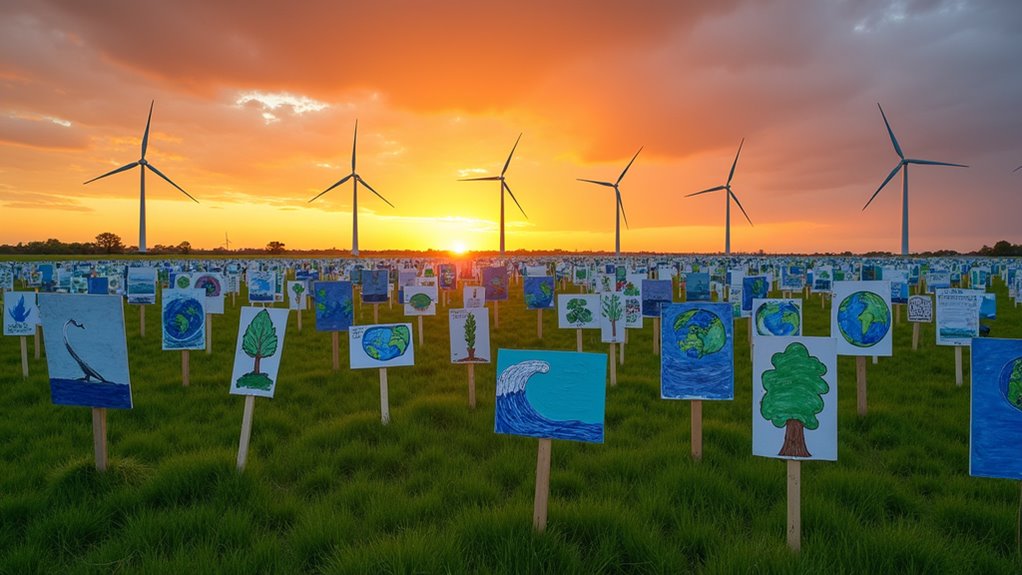
Art-based protests have introduced creative new tactics that capture public attention and generate viral content. Actions like throwing soup on artwork, while controversial, have succeeded in sparking global conversations about environmental issues and challenging traditional perceptions of climate activism. These high-profile demonstrations often target prominent locations or events to maximize their impact and media coverage.
Community-based initiatives represent a significant ground-level approach to environmental activism. Led often by indigenous and frontline communities, these efforts focus on tangible local solutions like tree planting and clean-up campaigns. These grassroots movements build lasting support for climate action while delivering immediate environmental benefits to affected communities.
Educational outreach, including school strikes and climate education programs, plays an important role in fostering long-term engagement with environmental issues. These initiatives not only raise awareness among younger generations but have also influenced curriculum changes in schools across the globe.
Economic pressure tactics, meanwhile, target the financial underpinnings of environmental degradation through divestment campaigns and consumer boycotts, successfully pushing corporations and financial institutions to adopt more sustainable practices.
The combination of these various nonviolent protest methods has created a powerful toolkit for environmental activism. Each approach serves a unique purpose while complementing the others, creating a thorough strategy for driving environmental change.
As these tactics continue to evolve and adapt to new challenges, they demonstrate that peaceful protest remains an essential catalyst for environmental progress in our modern world.
Frequently Asked Questions
How Can Protesters Protect Themselves From Legal Consequences During Environmental Demonstrations?
Protesters can protect themselves from legal consequences by staying informed about local protest laws and constitutional rights.
They should document everything, protest in groups, and maintain contact with legal support. Using encrypted communication apps, avoiding aggressive tactics, and following designated routes helps minimize risks.
Working with environmental legal advocacy organizations provides vital support. Understanding anti-protest legislation and maintaining peaceful demonstrations reduces vulnerability to legal targeting.
What Are Effective Ways to Gain Media Attention for Environmental Protests?
Effective media coverage for environmental protests often comes through strategic visibility and timing.
Protesters can gain attention by staging visually compelling actions in high-traffic locations, coordinating with journalists beforehand, and leveraging social media platforms.
Peaceful but disruptive tactics like blocking roads or targeting cultural venues tend to generate more coverage than traditional marches.
Clear messaging, youth spokespeople, and timing actions around major climate events amplifies media impact.
How Do Nonviolent Protests Compare to Other Forms of Environmental Activism?
Research shows nonviolent protests are considerably more effective than other forms of environmental activism.
With a 53% success rate compared to 25% for violent campaigns, peaceful demonstrations consistently outperform traditional lobbying and negotiation.
When combined with civil disobedience, nonviolent protests are particularly powerful at shifting public opinion and influencing policy.
Direct community action complements large-scale protests, while data shows violent tactics typically backfire and reduce public support.
When Is the Best Time to Organize Environmental Protest Movements?
Environmental protests are most effective when timed strategically around key moments that maximize visibility and impact. Major climate conferences, Earth Day celebrations, and shareholder meetings provide natural rallying points.
Crisis events like oil spills or extreme weather create urgent public attention windows. Legislative decision points offer concrete opportunities to influence policy.
The most successful movements also consider practical factors like weekend availability for larger turnouts and rush hour timing for greater visibility.
How Can Protesters Maintain Momentum After Initial Demonstrations Lose Public Attention?
Protesters can maintain momentum through sustained media engagement, strategic coalition building, and tactical diversification.
Regular press releases, social media campaigns, and media-friendly events keep issues in the public eye. Building alliances with other advocacy groups creates a stronger collective voice.
Alternating between direct actions, community organizing, and educational initiatives helps prevent burnout while reaching different audiences.
Skill-building workshops equip activists for long-term engagement and leadership roles.


