Earth Day at 55: The Climate Fight We’re Actually Winning
April 22, 2025 isn’t just another Earth Day – it’s a pivotal moment in our planet’s story. Fifty-five years ago, 20 million Americans flooded streets with a revolutionary demand: protect our environment or face the consequences. Today, that spark has ignited a global wildfire, with over a billion people across 193 countries taking action.
In an era of grim climate headlines, Earth Day 2025 delivers something different: proof that mass movements drive real change. And trust me – we need that momentum now more than ever.
Renewable Energy Takes Center Stage
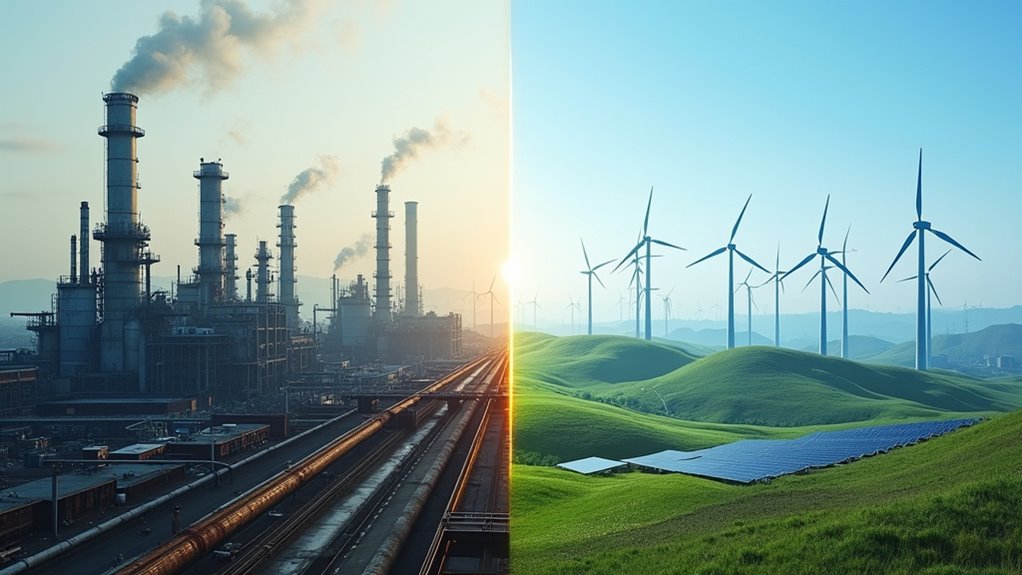
“OUR POWER, OUR PLANET” isn’t just this year’s theme – it’s the stark reality we face. How we generate energy directly shapes our climate future. The good news? Clean energy solutions are more accessible than ever, with solar and wind power now cheaper than fossil fuels in many markets.
The message is clear: The transition to renewables isn’t just neccessary – it’s increasingly economical.
What’s Happening Near You
Americans nationwide are turning Earth Day into Earth Action:
- Beach and park cleanups are tackling the 8 million tons of plastic entering our oceans annually
- Community tree plantings are fighting both urban heat islands and carbon emissions
- Cities like Baltimore are offering free public transit, cutting car emissions for the day
- Schools are hosting workshops that turn environmental anxiety into practical knowledge
Make Your Mark in Minutes (or Hours)
You don’t need to be an environmental scientist to make a difference. Here’s how anyone can contribute:
Got 10 minutes? Replace one single-use plastic item in your daily routine with a reusable alternative. Americans throw away 500 million plastic straws every day – yours doesn’t have to be one of them.
Got an hour? Join a local cleanup. The average volunteer collects 15 pounds of trash in just one hour – imagine that impact multiplied across millions of participants.
Got a day? Plant native species in your yard or community space. A single mature tree can absorb 48 pounds of carbon dioxide annually.
Why This Matters Now
The first Earth Day sparked the creation of the EPA and passage of landmark legislation like the Clean Air Act. Today’s challenges demand even bolder action.
We’ve lost 68% of wildlife populations since 1970. Global temperatures have risen 1.1°C, with each fraction of a degree bringing more extreme weather events. Yet renewable energy capacity has grown 300% in the last decade alone.
The data tells two stories: one of crisis, and one of unprecedented momentum.
Beyond April 22
Earth Day isn’t a one-off celebration – it’s a launching pad for sustained action. While governments negotiate climate agreements, individuals are driving change through daily choices that ripple outward.
The most powerful action you can take? Connect with others. Join a community garden, advocate for bike lanes in your city, or simply talk about climate solutions with friends and family. The science is clear: social diffusion of eco-friendly behaviors creates lasting change faster than solitary actions.
Remember, we already have the technology and knowledge to solve our environmental challenges. What we need is collective will – OUR POWER for OUR PLANET.
Find Earth Day events near you at EarthDay.org or through local environmental groups.