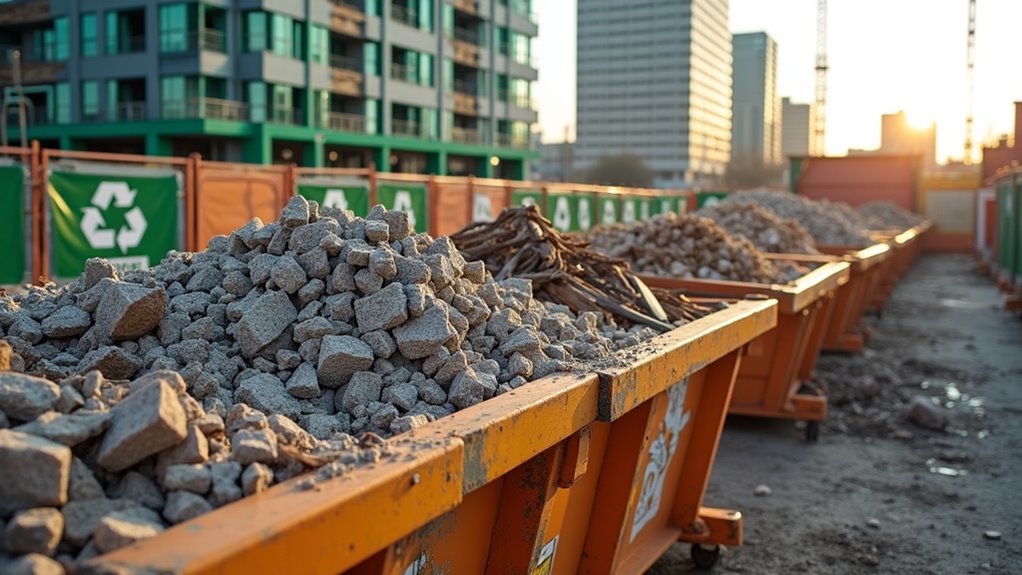
School waste programs engage students in hands-on sustainability through waste audits, sorting systems, and peer education initiatives. Students learn practical skills by conducting waste assessments, implementing color-coded bins, and serving as Zero Waste Ambassadors to influence classmates. These programs routinely divert up to 90% of waste from landfills while teaching critical environmental stewardship. The real-world experience shapes students into sustainability-minded citizens prepared to tackle tomorrow’s environmental challanges.
Schools across the nation are tackling their mounting waste problem head-on through innovative Zero Waste Programs that transform how students, teachers, and staff think about trash. With the average student generating 67 pounds of lunch waste annually and schools wasting a staggering 530,000 tons of food each year, these programs are proving that educational institutions can divert up to 90% of their waste from landfills through extensive strategies and student engagement. Hands-on learning activities help students develop practical waste management skills they can use throughout their lives.
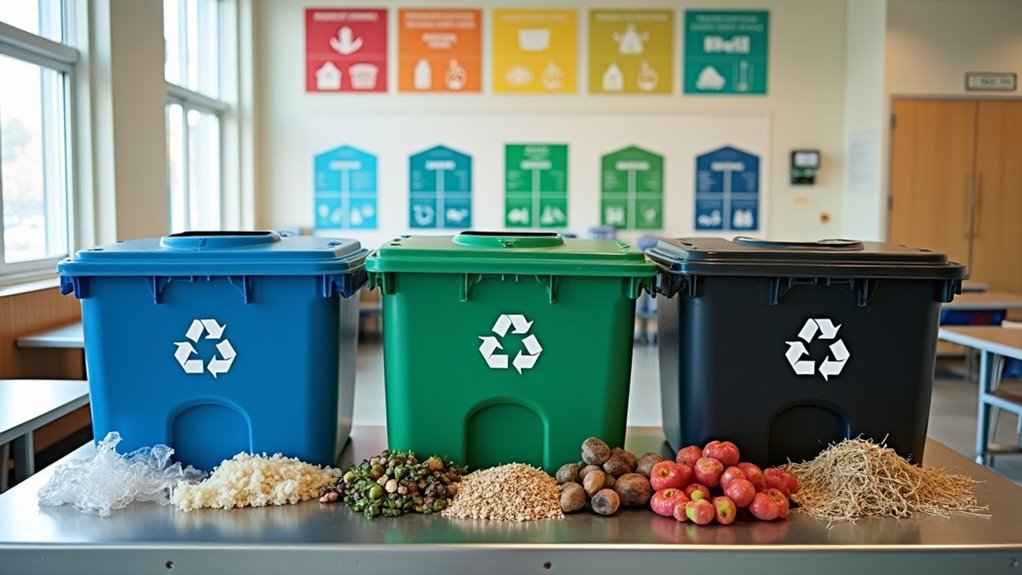
At the heart of successful waste reduction programs are thorough waste audits, which provide essential baseline data about a school’s waste production patterns. These audits engage students in hands-on learning while identifying specific waste streams that can be eliminated or minimized. By rethinking packaging, schools can significantly reduce waste generation at the source, making it easier to manage waste streams effectively. By incorporating smart strategies to reduce food waste, schools can further enhance their overall waste reduction efforts. Armed with this information, schools implement color-coded bin systems with clear signage, making it easier for everyone to properly sort their waste into recycling, composting, and landfill categories.
The results are impressive: some schools have reduced their lunchtime trash to less than one bag through aggressive recycling and composting initiatives. These programs don’t just focus on proper disposal – they emphasize waste prevention through reuse strategies. Schools are setting up “Reuse Stations” for sharing gently used supplies and implementing sustainable purchasing policies that prioritize durable alternatives over single-use items. By taking these actions, schools effectively lower greenhouse gas emissions through reduced food waste. In addition, community cooperation has played a significant role in enhancing waste management initiatives, showcasing how local involvement can drive positive change.
Zero waste programs transform schools from waste producers to sustainability leaders through smart recycling, composting, and reuse initiatives.
Student engagement drives these programs’ success. Green teams and Zero Waste Ambassadors take ownership of waste reduction efforts, monitoring bins and educating their peers about proper sorting. This peer-to-peer education model proves particularly effective in creating lasting behavioral change. Teachers integrate waste reduction into their curriculum, using real-world sustainability challenges to develop critical thinking and problem-solving skills across subjects like math, science, and social studies. Neighbors unite for a cleaner, greener community by coming together to support these school initiatives, showcasing the power of collective action.
Community partnerships amplify these efforts beyond school walls. Local businesses, waste haulers, and municipalities collaborate with schools to improve recycling and composting logistics. Parents get involved through workshops and take-home activities, extending sustainable practices into households. These partnerships create a network of support that helps schools overcome common obstacles in waste reduction while sharing successful strategies with other institutions.
The impact of these programs extends far beyond reducing waste. Students develop into sustainability-minded citizens who understand the environmental implications of their choices. They learn valuable leadership skills while managing green initiatives and discover how individual actions can create significant collective impact. Through hands-on experience with waste reduction, students gain practical knowledge about environmental stewardship that they’ll carry into their future careers and communities.
These extensive waste reduction programs demonstrate that schools can successfully address their environmental impact while providing students with valuable real-world sustainability education. As more schools adopt these practices, they’re not just diverting waste from landfills – they’re nurturing the next generation of environmental leaders.
Frequently Asked Questions
How Can Parents Get Involved in School Waste Reduction Programs?
Parents can actively support school waste reduction through several key actions.
They can volunteer to help with recycling programs, assist in waste audits, and maintain compost bins.
At home, families can reinforce good habits by packing waste-free lunches and practicing proper recycling.
Getting involved in parent-teacher sustainability committees, attending eco-focused events, and fundraising for green initiatives allows parents to advocate for lasting environmental change in schools.
What Funding Options Are Available for Starting Waste Management Initiatives?
Multiple funding streams exist for waste management initiatives.
Federal options include EPA’s SWIFR grants ($58 million) and USDA’s Solid Waste Management Grants (up to $1 million).
State and local resources offer smaller but accessible funding through 4Rs Programs (up to $25,000).
Non-profit foundations like WWF and EcoMaine provide specialized grants.
Corporate sponsorships and crowdfunding platforms present additional opportunities.
The grants.gov website serves as a central hub for finding federal funding options.
How Long Does It Take to See Measurable Results?
Initial results from waste management initiatives typically emerge within 1-3 months, showing 10-20% waste reduction and increased recycling participation.
More substantial progress appears in 6-12 months, with up to 50% reduction in landfill waste and established composting programs.
Long-term impacts after 1-2 years demonstrate 50-80% waste diversion rates, while cultural shifts occurring over 3-5 years lead to community-wide adoption and a 20-30% decrease in carbon footprint.
Which Age Groups Respond Best to Sustainability Education Programs?
Research shows middle school students (ages 12-14) and early childhood (ages 3-6) are most receptive to sustainability education.
These “golden years” enable students to grasp complex environmental concepts while maintaining natural curiosity.
Middle schoolers excel with cooperative learning and hands-on projects, while young children form lasting positive attitudes through sensory experiences.
High school students show strong engagement with environmental issues but require more sophisticated approaches focused on critical thinking and real-world applications.
Can Waste Reduction Programs Save Schools Money in the Long Run?
Waste reduction programs consistently deliver significant cost savings for schools through multiple channels.
Research shows up to 50% reductions in landfill waste can cut disposal costs by 20%. Schools generate revenue by selling recyclables, while reducing purchases of materials like paper cuts storage and handling expenses.
Real examples demonstrate impressive results: Marion County schools reduced milk waste by 83%, while Minnetonka Middle Schools saved $23,000 over 3 years by switching to reusable utensils.