

Biomass energy production harnesses organic waste materials through multiple conversion processes, achieving up to 80% efficiency in combined heat and power systems. Agricultural residues, municipal waste, and forest byproducts feed into technologies like anaerobic digestion, gasification, and pyrolysis to generate electricity, heat, and biofuels. This carbon-neutral approach creates rural jobs while addressing waste management challenges. The growing sector demonstrates how sustainable solutions can transform environmental burdens into valuable energy resources. The full scope of biomass’s potential continues to expand with advancing technologies.
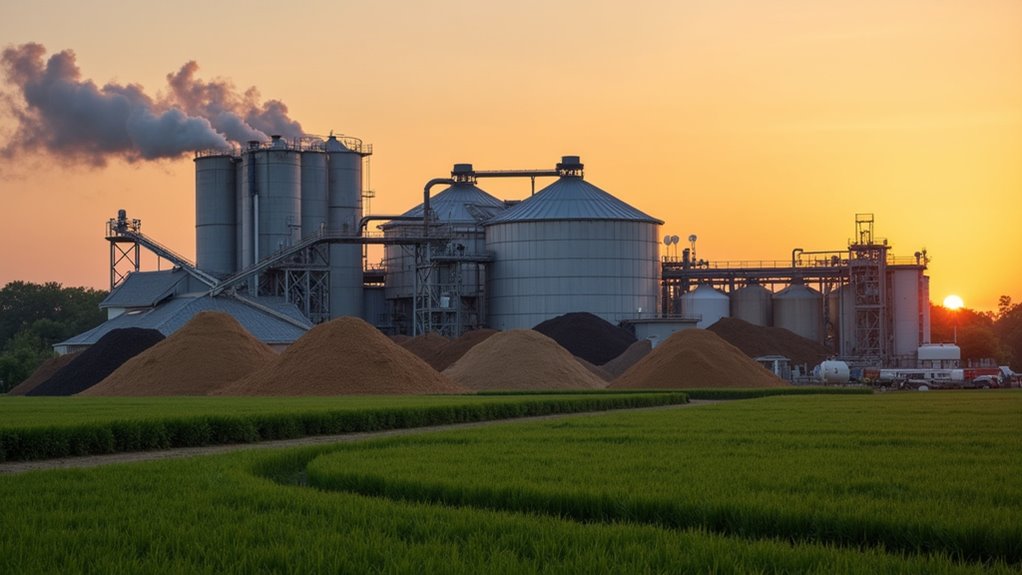
The untapped potential of organic matter powers a growing revolution in renewable energy production. From agricultural residues to municipal waste, biomass resources are being transformed into reliable energy through an array of conversion technologies that offer both environmental and economic benefits. This versatile renewable energy source provides a unique advantage over other alternatives – the ability to generate baseload power while simultaneously addressing waste management challenges.
The conversion of biomass into usable energy takes multiple forms, each suited to different applications and feedstocks. Direct combustion remains the most straightforward approach, generating heat and electricity with efficiency rates between 20% and 40%. More sophisticated methods like anaerobic digestion produce biogas from organic waste, while gasification creates versatile syngas that can replace natural gas. Common fuel sources include sawdust and wood chips from industrial processes. European nations are heavily subsidizing this industry despite its harmful emissions. Pyrolysis yields bio-oil and biochar, the latter offering additional benefits for soil improvement. The disruption of food webs due to climate change further underscores the importance of sustainable practices, including the use of organic waste for energy production. These efforts are complemented by integrated efforts that bring together policy reforms and grassroots initiatives to enhance the impact of biomass energy.
Biomass conversion technologies range from simple combustion to advanced processes like pyrolysis, each optimized for specific energy needs and raw materials.
When managed sustainably, biomass energy production creates a carbon-neutral cycle, as the carbon dioxide released during combustion equals the amount absorbed by plants during growth. This characteristic, combined with its ability to reduce landfill usage and generate negative emissions through carbon capture technologies, makes biomass an important tool in fighting climate change. The industry also generates significant economic benefits, creating jobs in rural areas and supporting agricultural and forestry sectors.
However, the path to widespread biomass adoption isn’t without obstacles. Land use competition with food crops poses a significant challenge, while water consumption for energy crop cultivation raises sustainability concerns. The variability in feedstock quality and availability can affect operational efficiency, and initial infrastructure investments remain substantial. Despite these challenges, the industry continues to evolve, with global bioenergy production now accounting for 10% of total energy supply.
The future of biomass energy looks promising, driven by technological innovations and increasing demand for sustainable energy solutions. Advanced biofuels derived from non-food biomass are under development, while improvements in enzymatic processes are making cellulosic ethanol production more efficient. Combined heat and power systems are pushing efficiency rates up to 80%, demonstrating the potential for even greater energy recovery from biomass resources.
Integration with smart grids and the co-production of high-value chemicals and materials are expanding the economic viability of biomass energy projects. As fossil fuel prices fluctuate and environmental regulations tighten, the competitiveness of biomass energy continues to improve. This renewable resource offers a unique combination of waste management solutions and reliable energy production, making it an increasingly attractive option for communities and industries worldwide looking to reduce their environmental impact while maintaining energy security.
Frequently Asked Questions
What Are the Safety Risks of Storing Biomass Fuel at Home?
Storing biomass fuel at home poses several key safety risks. The organic materials can self-heat and spontaneously combust if moisture levels aren’t properly controlled.
Dust from biomass creates explosion hazards during handling. In enclosed storage areas, dangerous gases like carbon monoxide can accumulate, while mold growth produces toxic spores.
The weight of stored biomass may also compromise structural integrity of storage containers, risking collapse or spillage.
How Much Does It Cost to Convert an Existing Facility to Biomass?
Converting an existing facility to biomass requires significant investment.
Low-level co-firing costs typically range from $400-$600 per kilowatt, while full conversion of smaller 5-25 MW systems costs between $3,000-$5,000 per kilowatt.
Major expenses include fuel storage, handling equipment, and emissions control systems.
The total cost varies based on facility size and type, but conversion projects often require several million dollars in capital investment.
Can Biomass Energy Production Be Integrated With Existing Solar Power Systems?
Yes, biomass and solar power systems can be effectively integrated through hybrid setups.
Smart inverters and energy management systems enable seamless coordination between the two sources. The combination offers enhanced reliability since biomass can provide consistent power when solar output drops.
Shared infrastructure like transmission lines reduces overall costs, while the complementary generation profiles create a more stable renewable energy supply.
Modern control systems optimize the usage of both resources efficiently.
What Licenses Are Required to Operate a Biomass Energy Production Facility?
Operating a biomass facility requires multiple licenses and permits at federal, state, and local levels. Key requirements include EPA air quality permits, state environmental permits, and local zoning approvals.
Facilities must obtain OSHA safety compliance certification and boiler operator licenses for staff. Additional permits cover biomass storage, transportation, and emissions control systems.
Some states mandate renewable energy credits registration, while federal programs like BCAP require specific certifications for feedstock producers.
How Does Weather Affect the Efficiency of Biomass Energy Production?
Weather considerably impacts biomass energy production efficiency through multiple pathways.
Temperature fluctuations affect the moisture content and energy density of feedstock materials, while precipitation levels influence biomass quality and availability.
Extreme weather events can disrupt supply chains and damage storage facilities.
Seasonal variations affect harvesting schedules and transportation logistics.
Additionally, extended periods of unusual weather patterns can impact the growth cycles of biomass crops, ultimately affecting fuel quality.


