
Legal rights for nonhuman species represent a transformative shift in modern society’s approach to animal welfare. While most legal systems still classify animals as property, growing evidence of animal consciousness and self-awareness challenges traditional frameworks. Several groundbreaking court cases have granted limited personhood to certain species, and organizations like the Nonhuman Rights Project continue pushing for expanded protections. Despite resistance from economic interests, public awareness and legal recognition of animal sentience are steadily increasing. This evolving landscape hints at deeper questions about consciousness, rights, and our relationship with other species.
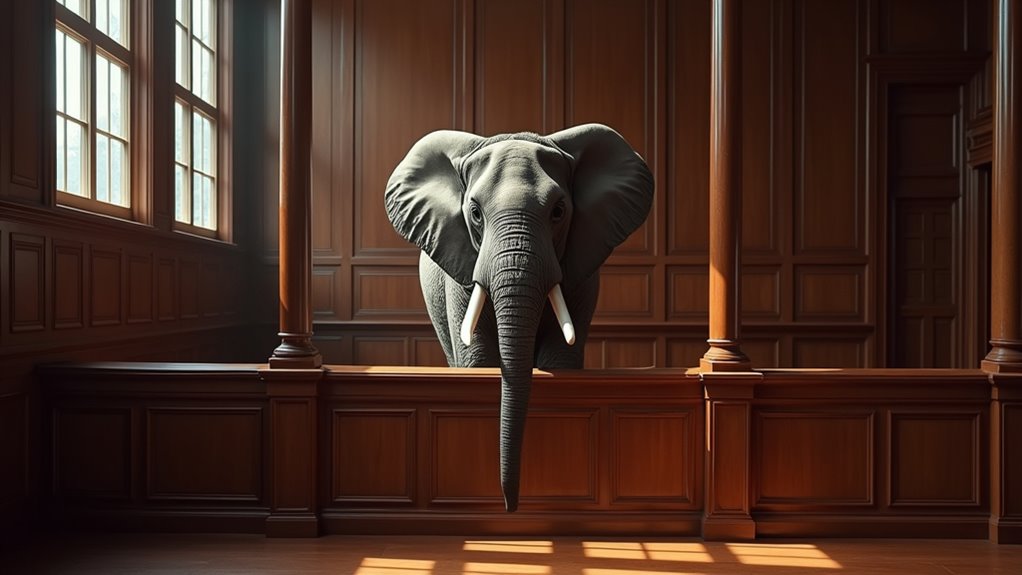
The quest for legal personhood for nonhuman species stands as one of the most profound ethical frontiers of our time. As science continues to reveal the remarkable cognitive and emotional capacities of animals, legal systems worldwide grapple with a fundamental question: Should animals continue to be classified merely as property, or do they deserve recognition as beings with inherent rights?
Currently, most legal frameworks treat animals as resources that can be owned and utilized by humans, with only limited welfare protections in place. However, this traditional view is being challenged by mounting evidence of animal consciousness, self-awareness, and the capacity to suffer. Several groundbreaking court cases have begun to chip away at the property paradigm, such as the Colombian court’s decision to grant legal personhood to Andean bears and similar rulings in India that recognize animals as having rights comparable to humans. Legal actions are increasingly shaping climate accountability, demonstrating how courts and regulations are becoming crucial in addressing climate change and environmental issues. Leading organizations like the Nonhuman Rights Project seek to secure bodily liberty rights for self-aware, autonomous animals through strategic litigation. The organization has pursued significant legal cases for chimpanzees and elephants through habeas corpus petitions in New York and Connecticut. International treaties like CITES also play a critical role in protecting endangered species by regulating the international trade of wildlife. Indigenous leadership in conservation efforts showcases how traditional knowledge and stewardship can outperform conventional methods in preserving natural habitats.
Mounting scientific evidence of animal consciousness challenges traditional legal frameworks that view animals merely as property rather than beings deserving fundamental rights.
The movement for animal rights faces significant obstacles, including entrenched economic interests and anthropocentric legal definitions of personhood. Yet proposed solutions are emerging, ranging from limited legal personhood for certain species to the creation of new legal categories that bridge the gap between persons and property. Some jurisdictions have already taken steps to recognize animals as “sentient beings” in their constitutions, while others are exploring the appointment of legal guardians to represent animal interests. Additionally, the Green Climate Fund provides financial support to vulnerable nations, highlighting the intersection of environmental justice and species protection.
The implications of granting legal rights to animals would be far-reaching, affecting industries from agriculture to scientific research. Critics argue that such changes could disrupt essential human activities, while supporters contend that society must evolve to acknowledge the moral status of other species. The debate extends beyond immediate practical concerns to fundamental questions about consciousness, moral consideration, and the nature of rights themselves.
Recent trends suggest a gradual shift toward greater recognition of animal rights. More countries are incorporating animal sentience into their lawmaking processes, and public awareness of animal welfare issues continues to grow. Organizations like the Nonhuman Rights Project persist in bringing legal challenges, even though U.S. courts have so far rejected animal personhood claims. Some judges have expressed sympathy for these arguments, suggesting that change may be inevitable.
The path forward likely involves striking a delicate balance between human needs and animal protection. While immediate, wholesale changes to legal systems appear unlikely, incremental progress continues through court decisions, legislative reforms, and evolving public attitudes.
As our understanding of animal consciousness deepens and ethical perspectives expand, the question is not whether animals will gain stronger legal protections, but when and how these changes will unfold. The challenge lies in developing frameworks that acknowledge animal rights while addressing practical implementation challenges in a complex modern society.
Frequently Asked Questions
Can Plants Experience Pain and Suffering Like Animals Do?
Scientific evidence indicates that plants cannot experience pain or suffering in the way animals do.
Plants lack the biological structures necessary for pain sensation – they have no brain, nervous system, or pain receptors (nociceptors).
While plants do respond to damage through chemical signals and defensive reactions, these are automatic biochemical responses rather than conscious experiences of pain.
The scientific consensus is that plants cannot suffer in any meaningful way comparable to animals.
How Do Cultural Differences Affect Views on Animal Rights Across Countries?
Cultural perspectives on animal rights vary dramatically worldwide, shaped by religious beliefs, economic development, and historical traditions.
Western nations typically emphasize companion animal welfare and strict protection laws, while Eastern religions like Buddhism promote universal compassion for all creatures.
Economic factors play a vital role – developed countries tend to have stronger animal welfare regulations, while developing nations often prioritize human needs.
Religious views, from Jainism’s strict non-violence to Judeo-Christian concepts of dominion, further influence these varying perspectives.
What Rights Should Artificial Intelligence Have in Comparison to Animals?
While animals receive rights based primarily on their capacity to suffer physically, AI rights should be evaluated through the lens of cognitive capabilities and potential consciousness.
Current frameworks suggest AI could merit specific protections for their decision-making autonomy and intellectual property, whereas animal rights focus on preventing cruelty and ensuring basic welfare.
The key is developing nuanced policies that reflect the distinct characteristics and needs of each group, rather than applying identical standards.
Do Endangered Species Deserve More Legal Protection Than Abundant Ones?
While endangered species warrant strong legal protections due to their vulnerability to extinction, abundant species also deserve basic safeguards.
The Endangered Species Act effectively protects critically threatened species, but focusing solely on endangered populations can be shortsighted.
A balanced approach that provides graduated protections based on population status makes ecological sense – preventing common species from becoming endangered while directing maximum resources to those most at risk.
Should Pets Have Inheritance Rights When Their Owners Pass Away?
Pets should have limited inheritance rights through legally-established pet trusts, rather than direct inheritance.
These trusts guarantee continued care after an owner’s death by designating caregivers and funds while avoiding potential abuse of the system.
Most U.S. states now recognize pet trusts, reflecting society’s evolving view of pets as family members.
This balanced approach protects both the animals’ welfare and prevents unreasonable allocation of resources that could otherwise benefit human heirs.