

Modern wildlife conservation combines multiple proven strategies to protect endangered species and their habitats. Key approaches include establishing protected areas and wildlife corridors, implementing species-specific recovery programs, and engaging local communities through sustainable practices. International cooperation and strong policy frameworks provide legal protection, while innovative climate adaptation strategies help species survive environmental changes. Traditional knowledge from indigenous communities enhances these conservation efforts. The path to preserving Earth’s biodiversity lies in understanding these interconnected solutions.
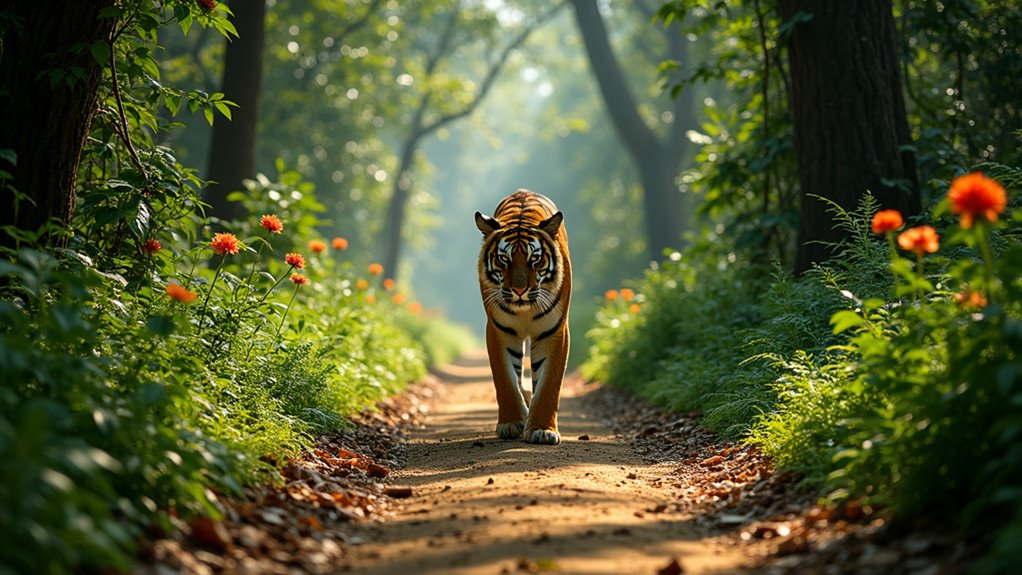
As the global wildlife crisis intensifies, conservation experts are deploying an increasingly sophisticated array of strategies to protect Earth’s threatened species and ecosystems. At the forefront of these efforts is habitat protection and restoration, which focuses on preserving essential ecosystems through land acquisition and establishing protected areas that serve as safe havens for wildlife. Marine Protected Areas have become vital tools for safeguarding ocean habitats and species from destructive practices.
These protected zones are increasingly being connected through wildlife corridors, allowing animals to move safely between fragmented habitats while maintaining genetic diversity within populations. Oregon’s nine distinct ecoregions provide unique conservation frameworks for protecting wildlife across diverse landscapes. Indigenous leadership in conservation efforts, utilizing traditional knowledge and stewardship, has been recognized for outperforming conventional methods in habitat preservation. Global campaigns and local projects aim to keep our seas vibrant and life-filled, highlighting the growing importance of marine conservation in sustaining marine ecosystems.
Wildlife corridors serve as vital lifelines, connecting protected areas and enabling safe animal movement to sustain healthy, genetically diverse populations.
The implementation of species-specific conservation programs has proven fundamental in preventing extinctions. Through carefully planned recovery initiatives, endangered species are monitored, protected, and, when necessary, bred in captivity for eventual reintroduction into their natural habitats. Exploring the role of breeding in wildlife conservation highlights the importance of these programs in preserving genetic diversity and aiding species recovery.
These programs are strengthened by advanced technological solutions, including camera traps, satellite tracking devices, and DNA analysis, which provide critical data about population dynamics and movement patterns. Robust legal frameworks play a crucial role in ensuring accountability and fostering global cooperation in wildlife protection, encouraging funding and compliance with conservation efforts.
Local communities play an indispensable role in successful wildlife conservation. By engaging residents in wildlife management and providing economic incentives for conservation efforts, programs can achieve lasting success.
Many communities now participate in sustainable tourism ventures, creating revenue streams that depend on healthy wildlife populations. This approach has led to the establishment of community-managed protected areas where local knowledge and modern conservation techniques work in harmony.
Effective wildlife conservation requires robust policy frameworks and international cooperation. Cross-border collaborations are particularly important for protecting migratory species, while national wildlife laws provide the legal backbone for enforcement against poaching and illegal trade.
Environmental impact assessments now guide development projects, helping balance economic progress with wildlife protection needs.
Sustainable resource management has emerged as a fundamental component of modern conservation strategies. Through the implementation of quota systems, certification programs for wildlife-friendly products, and sustainable forestry practices, communities can meet their economic needs while preserving wildlife habitats.
These efforts are complemented by integrated land-use planning that creates buffer zones around protected areas.
Climate change poses new challenges for wildlife conservation, requiring innovative adaptation strategies. Conservationists are identifying climate-resilient habitats and establishing climate refugia – areas that can shelter species as temperatures rise and weather patterns shift.
Assisted migration programs are being developed for populations that may need help relocating to more suitable habitats as their current ranges become inhospitable.
These diverse approaches to wildlife conservation demonstrate the complexity of protecting Earth’s biodiversity. Success requires coordination between governments, local communities, scientists, and conservation organizations, all working together to guarantee that future generations inherit a planet rich in wildlife.
Through continued innovation and dedication to these strategies, there is hope for preserving the world’s remarkable species and the ecosystems they inhabit.
Frequently Asked Questions
How Can Individuals Contribute to Wildlife Conservation in Their Local Communities?
Individuals can make meaningful contributions to wildlife conservation through simple yet impactful actions.
Creating wildlife-friendly gardens with native plants provides essential habitats. Participating in citizen science programs helps track local species populations. Supporting conservation organizations and volunteering at nature centers spreads awareness.
Adopting sustainable practices like reducing pesticide use and proper waste disposal protects wildlife. Community clean-up events and invasive species removal restore natural ecosystems.
What Role Does Technology Play in Modern Wildlife Conservation Efforts?
Technology revolutionizes modern wildlife conservation through advanced monitoring systems.
Drones provide aerial surveillance while GPS collars track animal movements. AI-powered cameras detect poachers and analyze wildlife behavior, while machine learning processes vast amounts of data to predict threats.
Environmental DNA sampling reveals biodiversity patterns, and blockchain technology helps combat illegal wildlife trade.
These innovations enable more effective, data-driven conservation strategies across remote areas.
How Do Climate Change Impacts Affect Wildlife Conservation Strategies?
Climate change fundamentally reshapes wildlife conservation approaches by forcing adaptation to rapidly shifting conditions.
Rising temperatures and extreme weather disrupt traditional habitat protection methods, requiring more dynamic and predictive strategies.
Conservationists now focus on creating climate-resilient protected areas, establishing wildlife corridors, and implementing assisted migration programs.
The emphasis has shifted from preserving static ecosystems to managing flexible, interconnected landscapes that can sustain biodiversity despite environmental changes.
What Are the Biggest Challenges Facing Wildlife Conservation Funding Today?
The biggest challenges in wildlife conservation funding stem from a massive funding gap, with global needs of $824 billion annually but only $143 billion currently invested.
Government budget cuts and frozen grants hamper conservation efforts, while inconsistent funding makes long-term planning difficult.
Economic pressures favoring resource exploitation over habitat protection, coupled with insufficient integration of biodiversity value in national policies, further complicate securing stable financial support for wildlife protection initiatives.
How Do Cultural Beliefs Influence Wildlife Conservation in Different Regions?
Cultural beliefs profoundly shape wildlife conservation approaches across regions. Traditional societies often view animals as integral parts of their spiritual and social networks, leading to stronger preservation ethics.
Western nations increasingly embrace mutualistic values, viewing wildlife as deserving rights and protection. Religious beliefs, like Buddhism in Bhutan, promote eco-centric conservation attitudes.
Urban modernization tends to decrease direct wildlife experiences while boosting anthropomorphic perspectives. Indigenous knowledge continues gaining recognition in conservation planning and implementation.


